A small U.S. clinical trial suggests that combining psilocybin-assisted therapy with structured counselling may offer new hope for veterans living with severe post-traumatic stress disorder. The research, published in Communications Medicine, found impressive symptom improvements while also showing the treatment could be delivered safely in a carefully monitored medical setting. PTSD affects many…
ObjectivesTo assess the effects of varying doses of cyclophosphamide (CYP) on lower urinary tract function in rats, and to further investigate the role of Piezo2 in sensory neurons in a CYP-induced interstitial cystitis/bladder pain syndrome (IC/BPS) model and its potential as a therapeutic target for electroacupuncture (EA).MethodsLower urinary tract function was assessed by employing cystometry…
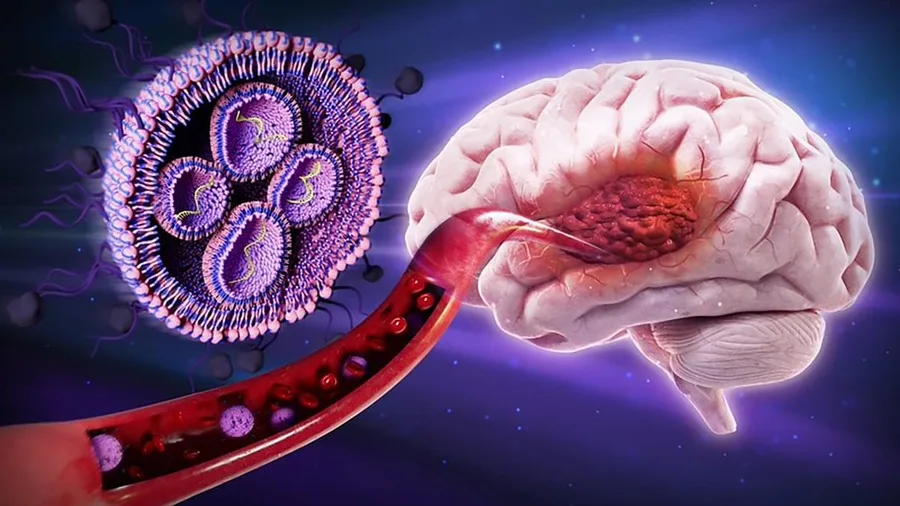
dc.title: Nanomedicine Strategies to Ameliorate Neuroinflammation and Prevent Secondary Neural Tissue Damage
dc.description.abstract: The burden of neurological disease remains a global issue continually rising requiring the need for effective therapeutics to disrupt disease progression. Across neurological diseases, neuroinflammation presents as shared a pathophysiological hallmark presenting a …
Modern medicine has dramatically improved survival after heart attacks by quickly reopening blocked arteries. However, many survivors later develop heart failure because the healing process leaves behind stiff scar tissue that weakens the heart muscle. Doctors currently have very few treatments that directly target this scarring process. A research team at Uppsala University believes they […] The…
Alzheimer’s disease (AD) is a progressive neurodegenerative disorder characterized by memory loss, cognitive decline, and behavioral disturbance, largely associated with amyloid-β accumulation, tau protein pathology, synaptic dysfunction, oxidative stress and neuroinflammation. Previous research emphasizes the critical roles of impaired neurogenesis and neuroplasticity in cognitive dysfunction an…
BackgroundCurrent eradication therapies for Helicobacter pylori (H. pylori) are increasingly compromised by the emergence of antibiotic resistance and adverse side effects. Exploration of non-antibiotic, targeted therapeutic alternatives is essential for effective H. pylori management.AimTo evaluate the therapeutic efficacy of a rationally designed specific antiserum targeting a BabA189−244-FrpB4…
In this episode of Curing with Sound, we speak with Jim Rorie, a licensed private investigator from North Carolina whose career and daily life were profoundly affected by chronic low back pain following a multi-vehicle collision. After months of physical therapy and painful nerve block injections, Jim became one of the first patients in the ...
Chronic kidney disease (CKD) is a significant health problem around the world. It can progress towards end-stage renal disease (ESRD), in which the current therapeutic options are dialysis and kidney transplant, which have several challenges in therapy compliance and finding a donor. There is a crosstalk between high blood pressure, diabetes, and obesity, which are the leading causes of CKD. The …
In a promising development for cancer treatment, a collaborative research team has overcome two issues that have prevented photo thermal therapy, a much less invasive treatment option than surgery and/or radiation, from becoming more common.
Cancers don’t come much worse than the brain cancer glioblastoma, and it is notoriously difficult to treat. Even with surgery, radiation, and chemotherapy, fewer than 30 percent of patients are alive two years after diagnosis. Scientists are busy hunting for treatment approaches that can improve those survival rates, and a team from Oregon State University […]
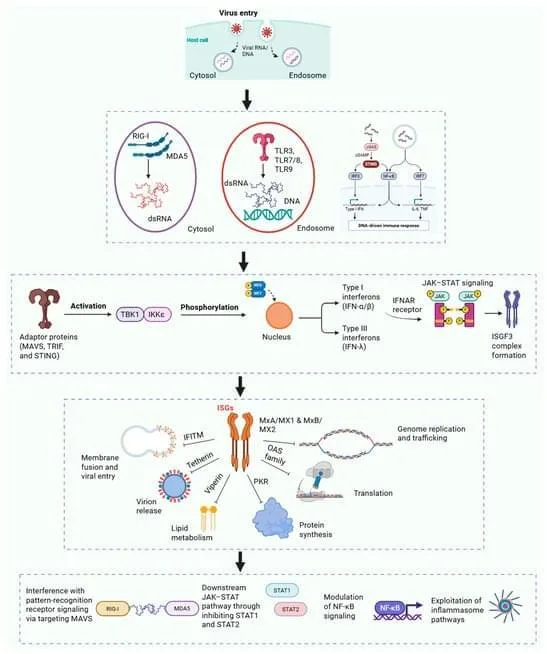
Host–virus relationships regulate every phase of viral infection and critically influence course of illness and the effectiveness of treatment. Viruses utilize host receptors, intracellular trafficking routes, metabolic programs, and immunological signaling networks to introduce infection, while host cells use innate and adaptive immune responses that both limit viral replication and, in certain …
Obesity is a chronic multifactorial metabolic disorder characterized by adipose tissue dysfunction, insulin resistance, low-grade inflammation, and altered energy homeostasis. Evidence indicates that the gut microbiota contributes to obesity-related metabolic dysfunction through microbial metabolite production, intestinal barrier regulation, immune activation, bile acid signaling, and gut–brain c…
Harnessing the biology of regulatory T cells (Tregs) for therapeutic development is one of medicine’s most promising opportunities to transform disease treatment. Initially viewed simply as guardians against destructive immune responses, we now understand that Tregs are adaptive and highly specialized coordinators of immune tolerance and tissue repair. This strategic roadmap examines how evolving…
Cadherin-3 (CDH3), which encodes P-cadherin, is a classical cadherin involved in epithelial architecture, basal-cell identity, and tissue repair. Once viewed primarily as a structural adhesion molecule, CDH3 is now recognized as a context-dependent regulator of tumor progression and a candidate therapeutic target across several human malignancies. Available evidence indicates that CDH3 is frequen…
Endometrial dysfunction represents a central pathological factor underlying recurrent implantation failure and infertility. This review provides a comprehensive synthesis of the physiological basis of endometrial function, the pathological factors compromising its integrity, and the impact of these abnormalities on embryo implantation. Key pathogenic drivers, including cellular senescence, chroni…
Alzheimer’s Disease (AD) is a progressive neurodegenerative disease for which disease-modifying therapies remain limited. Despite extensive efforts targeting amyloid-β and tau, these approaches have not translated into clear clinical benefit, underscoring the need for a more integrated understanding of AD pathogenesis. This narrative review summarizes recent advances in the molecular mechanisms u…
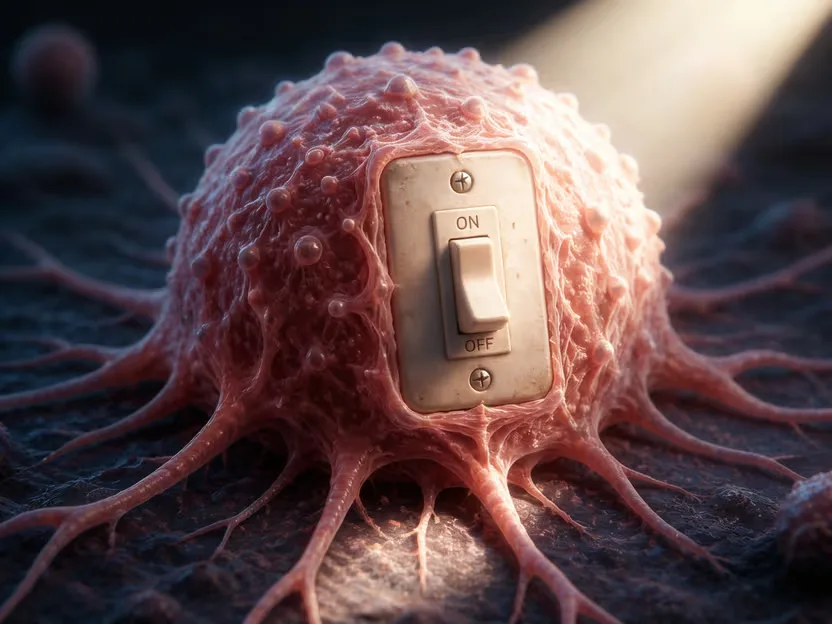
Researchers from ETH Zurich have developed a molecular switch that is controlled by light. It wakes lung cancer cells up from a protective dormant state so that they are more accessible for treatment.
Tumour cells can lapse into a sleep-like state and thereby evade the destructive effect of cancer d...
We are thrilled to announce that Saroj was awarded a pilot from from Yale’s Alzheimer’s Disease Research Center (ADRC). This project, titled CSPα as a Therapeutic Candidate in Amyloid-β with Lewy-type Co-Pathology, will probe whether a synaptic protein can modulate copathology of aggregated synuclein and amyloid-β which frequently occur in human patients. In addition to […]
The metabolism of cancer cells is reprogrammed toward aerobic glycolysis (the Warburg effect), which stimulates tumor growth. Phosphofructokinase (PFK) and its isoforms, PFKP, PFKM, and PFKL, are highly conserved central glycolytic controllers and a potential therapeutic intervention. This review discusses the complex functions of PFK in tumor biology, including its roles in regulating proliferat…





 research.io