Quinazoline scaffolds are widely recognized in drug discovery for their diverse pharmacological profiles, and several quinazoline derivatives have been reported as phosphodiesterase 7A (PDE7A) inhibitors with potential anti-inflammatory effects. This study aimed to synthesize novel quinazoline derivatives, evaluate their anti-inflammatory activity and investigate their computationally predicted b…
Drug-target interaction prediction can help researchers explain mechanisms of action, identify candidate targets, reposition existing medicines and prioritize compounds before costly laboratory work.
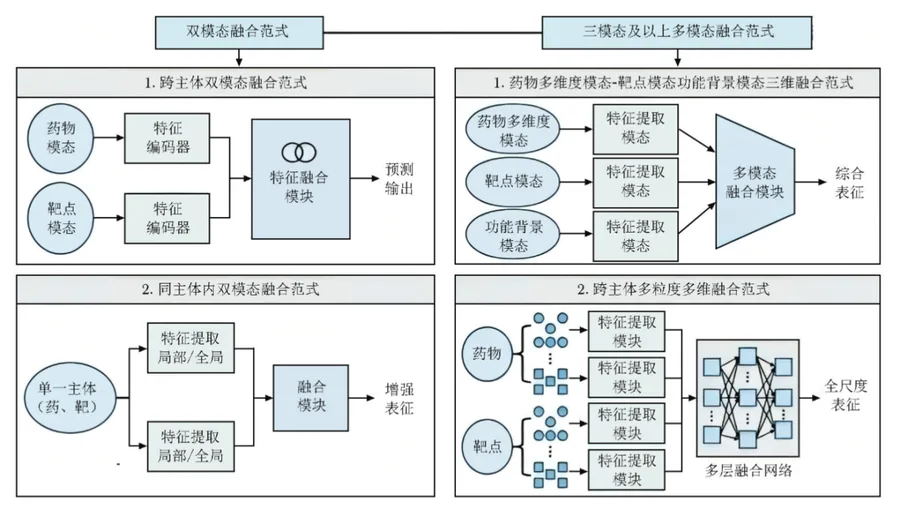
Artificial intelligence is reshaping one of drug discovery's most consequential questions: which compounds interact with which biological targets, and how strongly. A new review maps the fast-moving landscape of artificial intelligence (AI)-driven drug-target interaction (DTI) prediction, showing how the field has progressed from hand-crafted molecular features to deep learning, graph-based model…
There has been a growing focus on ‘molecular chameleons’ possessing structural flexibility; compounds that can dynamically adjust their conformations depending on the characteristics of the medium to either conceal or reveal polar parts in aqueous/lipidic environments. Drug discovery has shifted in the past few decades toward more complex molecules, such as cyclic and macrocyclic peptides, as wel…
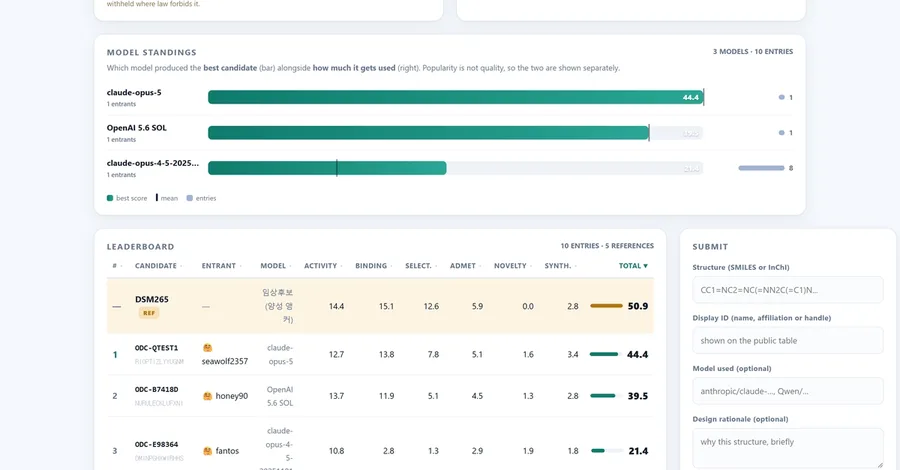
Open Discovery Challenge: How to Build a Verifiable Judge for AI-Designed Malaria Drugs Generative models can propose thousands of plausible molecules in a day. The harder question is no longer whether an AI can draw a molecule. It is whether anyone can tell if that molecule is potent, selective, safe enough to investigate, and possible to synthesize. That is the premise of the Open Discovery Cha…
Nature Communications, Published online: 14 August 2026; doi:10.1038/s41467-026-76252-6 In this work, researchers show that activating cells before imaging reveals drug effects undetected under standard conditions, identifying unreported phenotypes for hundreds of compounds and identifying a natural product as a glucocorticoid receptor modulator.
Novo Nordisk and Amazon Web Services (AWS) announced a strategic partnership to accelerate drug discovery and modernise Novo Nordisk’s operations through agentic AI and cloud technologies. As part of the partnership, Novo Nordisk and AWS have created a co-innovation hub in London where engineers and...
Evotec SE announced that it has entered a strategic R&D collaboration with Odyssey Therapeutics, Inc. to discover potential new treatments in autoimmune and inflammatory diseases.
Under the agreement, Odyssey will leverage Evotec's integrated data-driven discovery platform, advanced screening capabi...
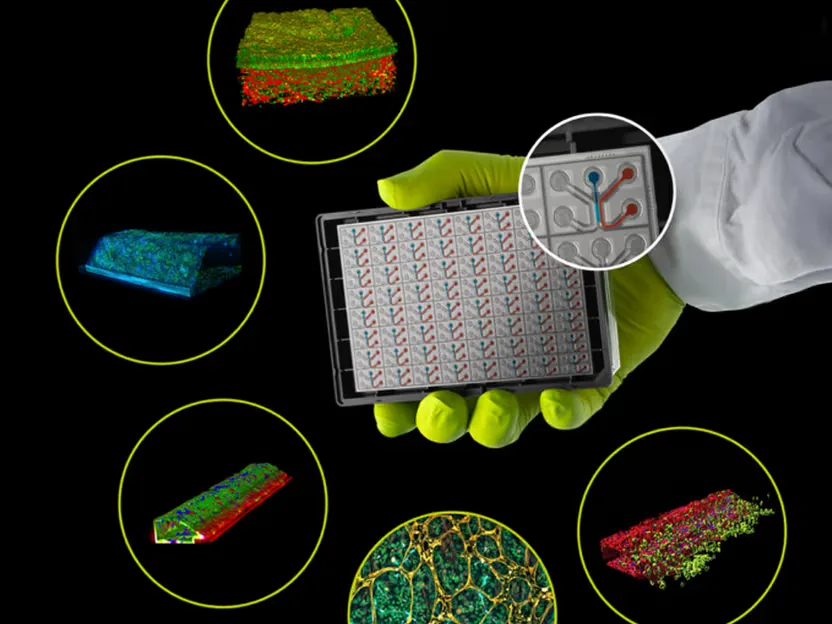
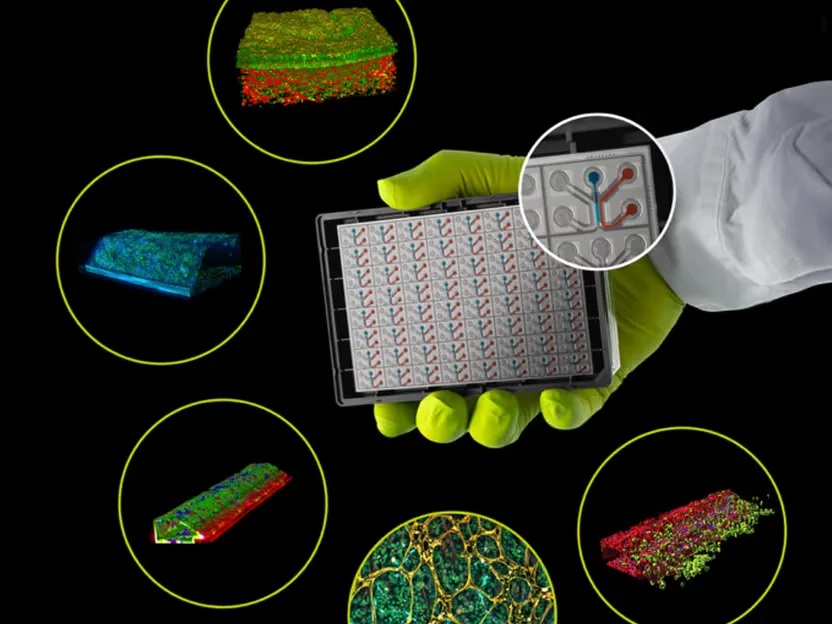
Bruker Corporation announced a majority investment in MIMETAS B.V., a developer of organ-on-a-chip platforms and advanced human tissue and disease models for drug discovery and development. The investment expands Bruker’s post-genomic solutions for disease biology research, as well as for drug disco...
Bruker Corporation announced a majority investment in MIMETAS B.V., a developer of organ-on-a-chip platforms and advanced human tissue and disease models for drug discovery and development. The investment expands Bruker’s post-genomic solutions for disease biology research, as well as for drug disco...
Investigators at Dana-Farber Cancer Institute have developed a platform for systematically discovering molecular glues that could become protein degradation drug candidates.
Osteoarthritis (OA) is a chronic, painful joint disease and a leading cause of disability. Despite its prevalence, therapies for osteoarthritis are limited and focus on symptom management.
Mayo Clinic researchers have developed an experimental drug with the help of artificial intelligence (AI) to target the "undruggable" PDZ-domain of GIPC1 protein that helps different types of cancer, including pancreatic cancer, to grow and resist treatment.
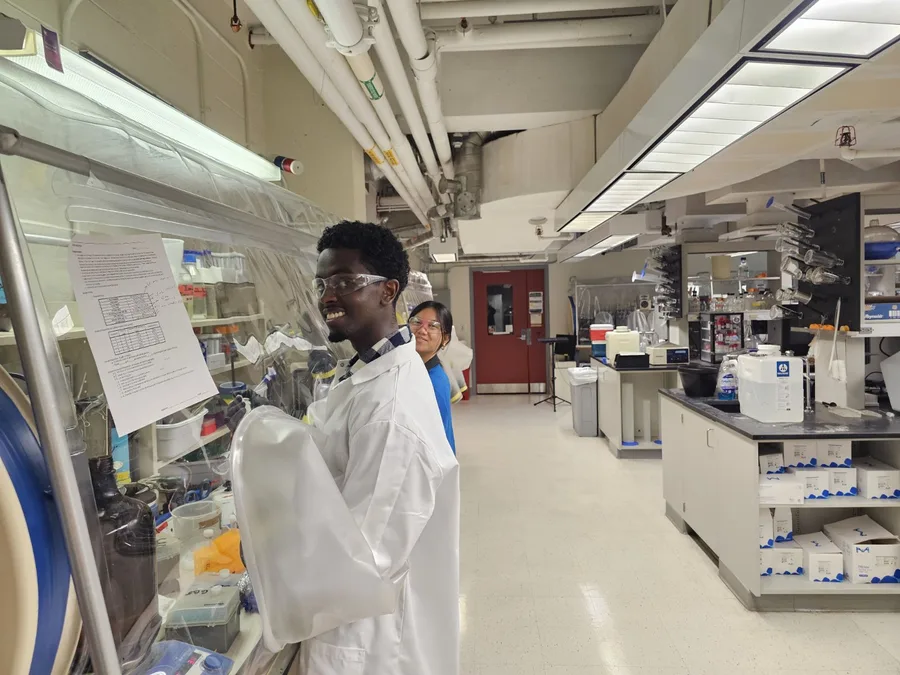
Six rising juniors from UMBC joined the inaugural cohort of HHMI’s Cech Fellows program this summer. Mentorship, scholars programs, and hands-on research at UMBC propelled these students into prestigious labs nationwide, where they advance projects in neuroscience, virology, and drug discovery while building national networks.
Ultimately, Sapra says, the end-state vision for AI in biologic drug discovery is what the field calls “de novo” design. For this, the goal is for AI to generate entirely new protein sequences that precisely fit the desired drug properties. This includes designing the structure, predicting safety, how it will behave in the body and […]
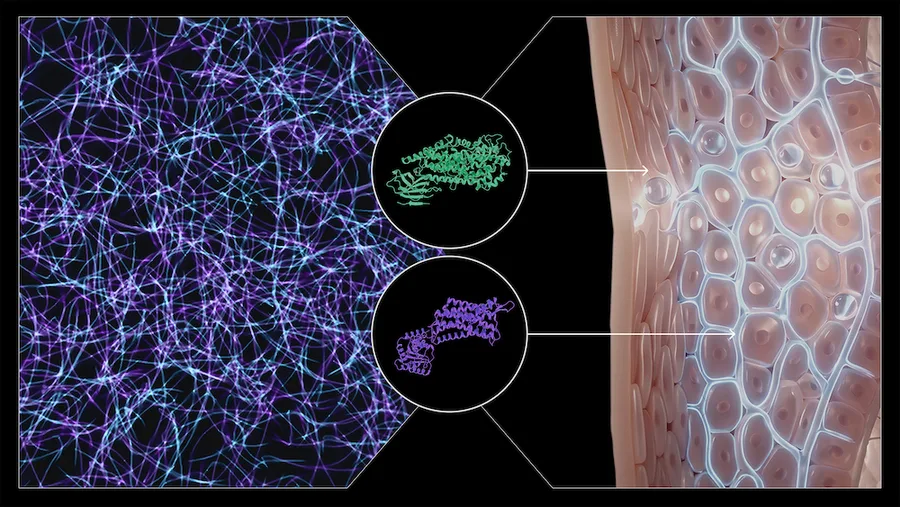
Biohub researchers performed what they believe is the first genome-wide CRISPR study of primary human adult skin cells, then used an AI model to mine the results for overlooked drug targets for psoriasis.




 research.io