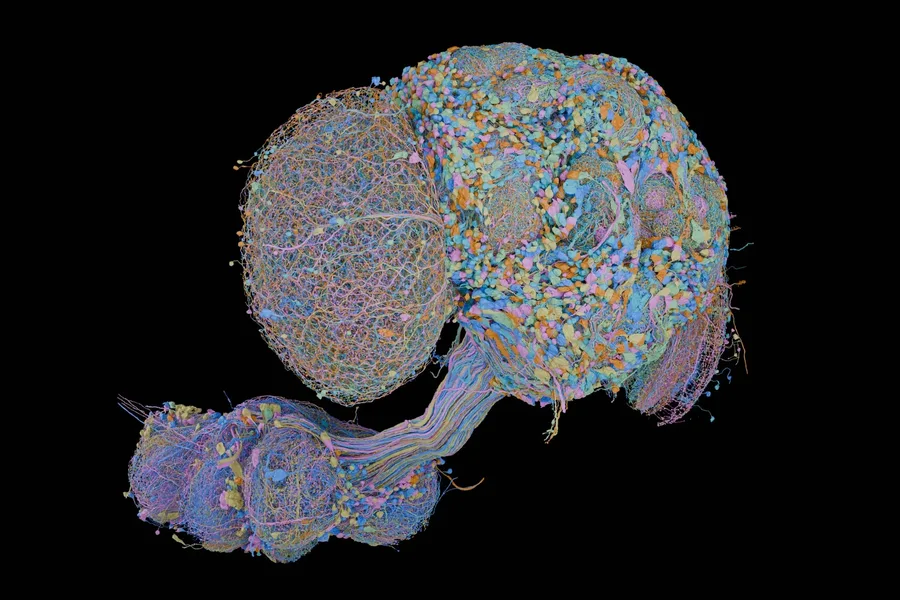
When researchers at HHMI's Janelia Research Campus set out to create a map of all the neurons in the fruit fly brain in 2008, many in the scientific community thought they were out of their minds.
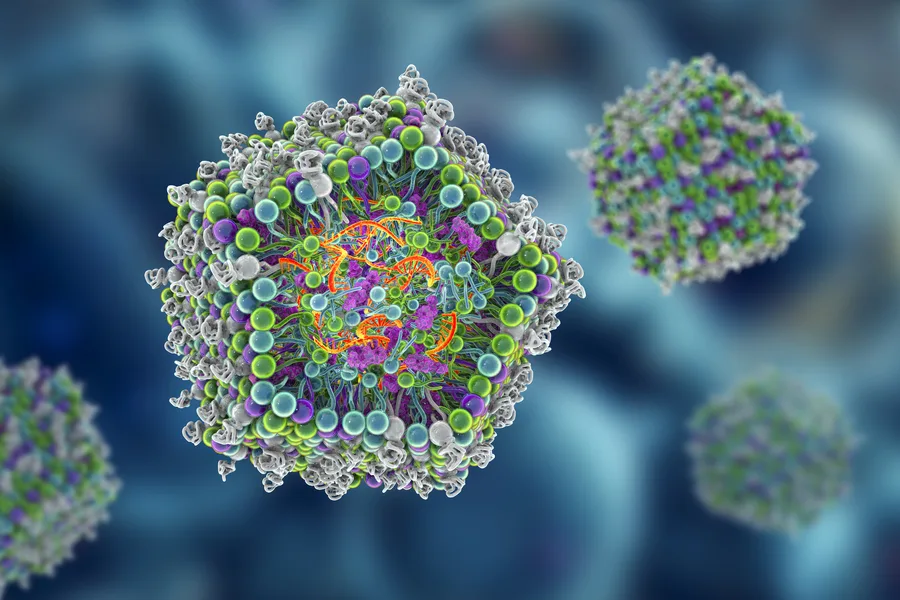
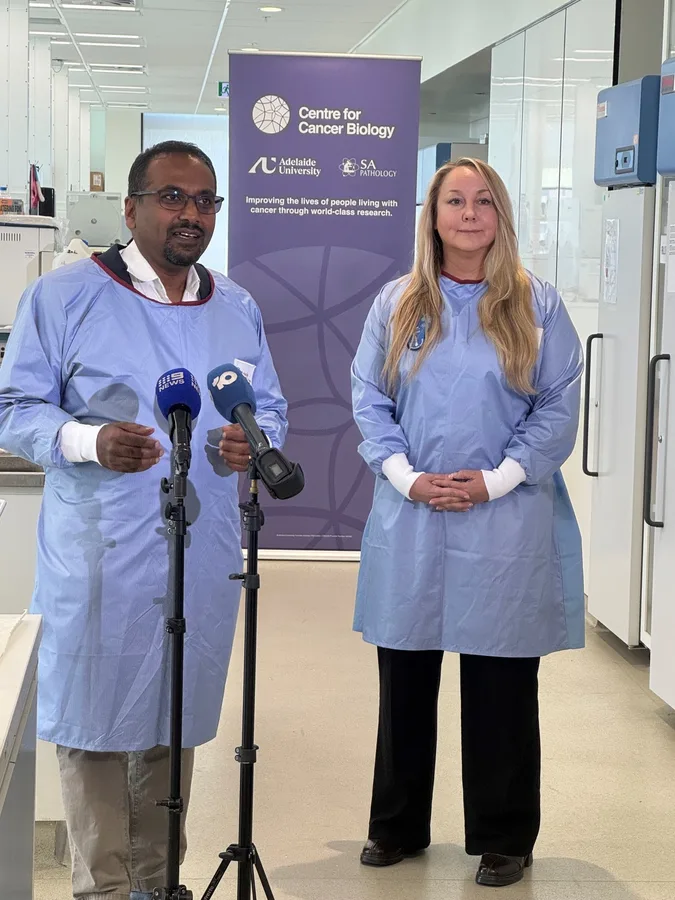
The same technology used to deliver mRNA in COVID-19 vaccines is being used to target a type of immune cell that can help tumours evade the body's defences. Adelaide University researchers have effectively reprogrammed these cells so they can do their job and fight cancer.
Karsten Eastman, CEO of Sethera Therapeutics, is available to discuss what the FDA's evolving approach to peptide medicines means for patients, consumers, investors, and the next generation of peptide therapeutics.
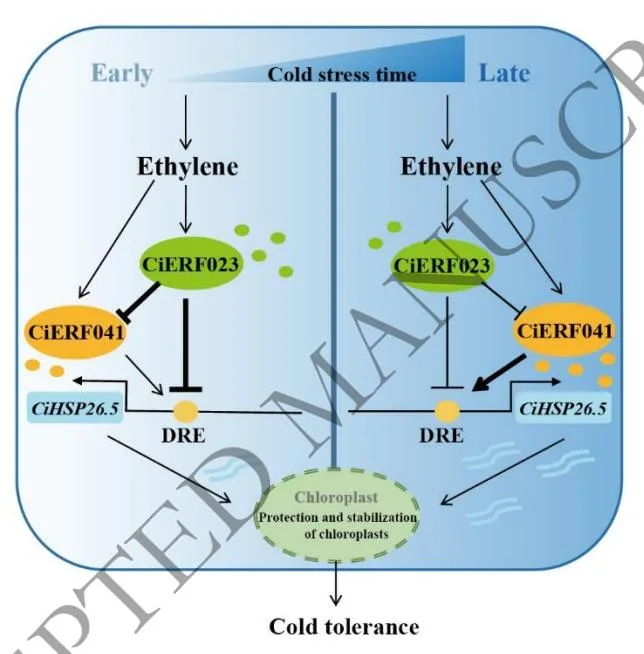
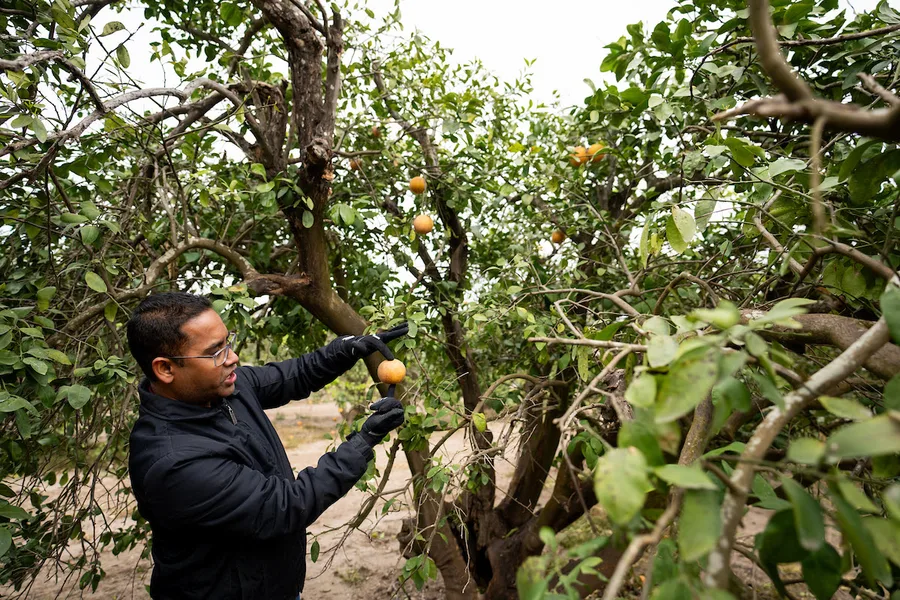
When cold strikes, plants face a dilemma: mount a full-scale defense that consumes precious energy, or risk fatal damage. Now, scientists have uncovered how a wild citrus species masterfully navigates this trade-off. They identified a small heat shock protein, CiHSP26.5, that is crucial for cold tolerance. More importantly, they discovered it is controlled by an antagonistic duo of transcription …
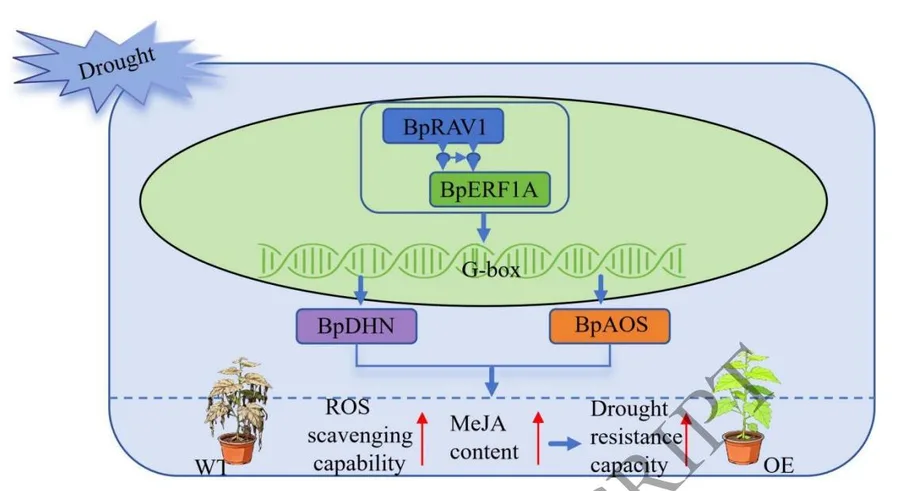
Drought can quickly turn a promising forest seedling into a damaged plant by disrupting water balance and triggering oxidative stress. A new study identifies a molecular control system that helps white birch withstand these pressures.
A multidisciplinary scientific team at the University of Malaga has developed a new technology based on magnetic nanoparticles that enables precise, rapid and reliable diagnosis of allergy to beta-lactam antibiotics, including amoxicillin and other penicillins.
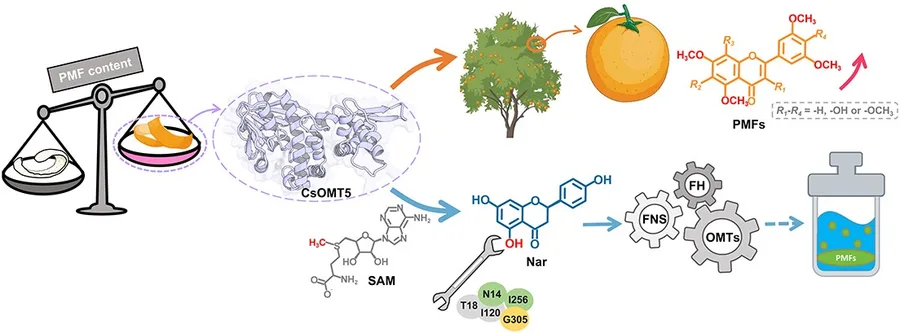
Polymethoxyflavones (PMFs), citrus-derived compounds valued for their diverse biological activities, remain difficult and expensive to manufacture because production still depends largely on plant extraction. The study identifies CsOMT5, a sweet-orange gene encoding caffeic acid O-methyltransferase 5, as a key controller of PMF formation and reveals an unexpected route beginning with the abundant…
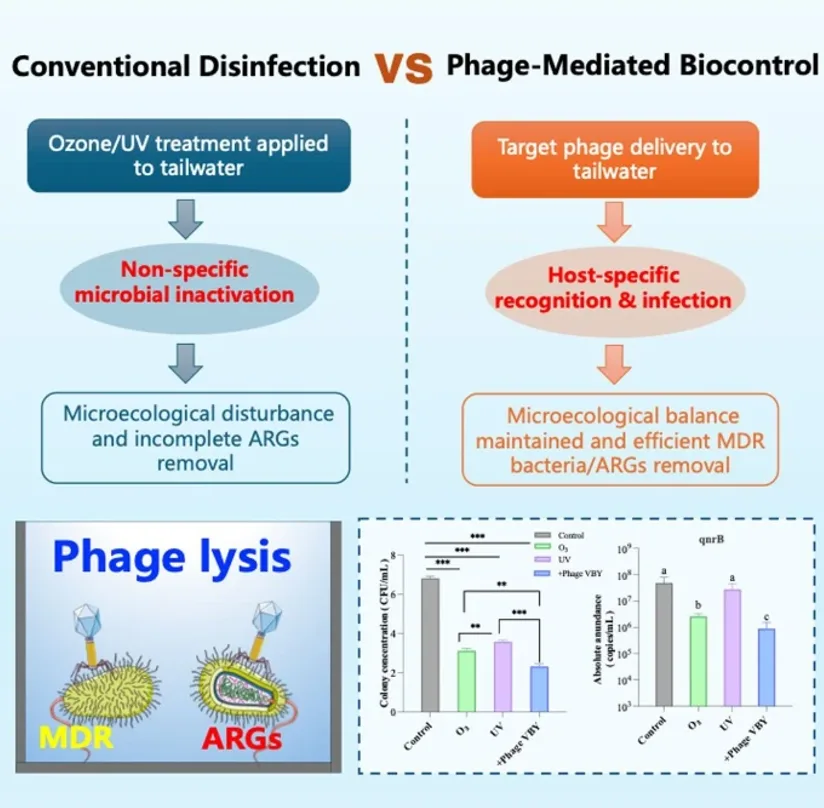
Multidrug-resistant (MDR) pathogens and their antibiotic resistance genes (ARGs) in aquaculture tailwater pose serious risks to public health and food safety. Now, researchers have developed a bacteriophage-based disinfection technique that specifically targets and eliminates MDR Vibrio parahaemolyticus--a leading cause of seafood-borne gastroenteritis--along with the resistance genes it carries.…
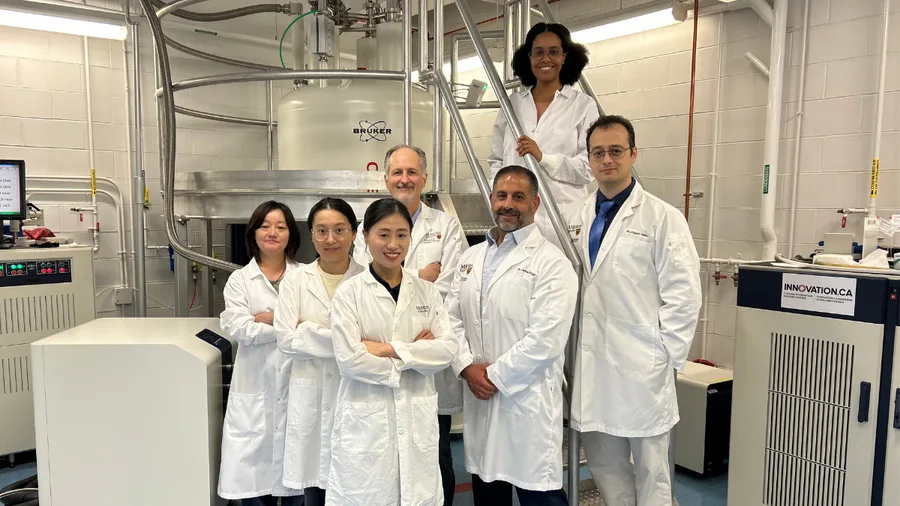
Using advanced nuclear magnetic resonance (NMR) spectroscopy and clinical expertise in transfusion medicine, the Canadian team identified a hidden mechanism that controls whether a blood protein remains harmless or becomes the target of clot-causing antibodies.
Living human cells will launch aboard a European research rocket next month as South Australian researchers use space to investigate cancer in a radically different environment.
University of Miami Health System·Miller School of Medicine
2d ago
New research shows how artificial intelligence, combined with advanced experimental science, can help find "hidden" and unexplored proteins in the human body and reveal what they actually do.
As rising temperatures put growing pressure on a crop that helps sustain 800 million people, the Donald Danforth Plant Science Center and Lancaster University are launching an ambitious effort to help cassava keep producing in a hotter world.
Expanding use of a noninvasive, ultrasound-based cancer treatment is the ultimate goal of the new University of Michigan Histotripsy Center, a first-of-its-kind facility launched today.
Editing a plant's genes is only half the battle. Before a new, improved trait can ever reach a farmer's field, scientists must be able to grow a whole plant from just a few edited cells -- a process that can be slow, unreliable and, for some plant species, impossible.
An international team of scientists, including Donald Danforth Plant Science Center Member Emerita Elizabeth "Toby" Kellogg, PhD, has produced a chromosome-level genome assembly that offers a new view of the earliest evolution of grasses, the plant family that includes many of the world's most important food crops.
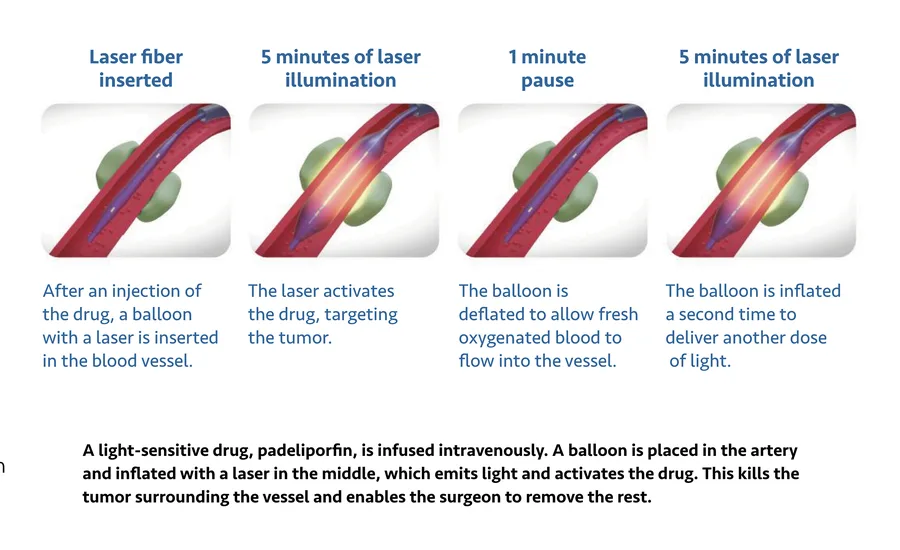
UCI Health, the clinical enterprise of the University of California, Irvine, is conducting a first-in-human, phase 1 clinical trial using laser light to target localized but inoperable pancreatic tumors to help patients become cancer free.
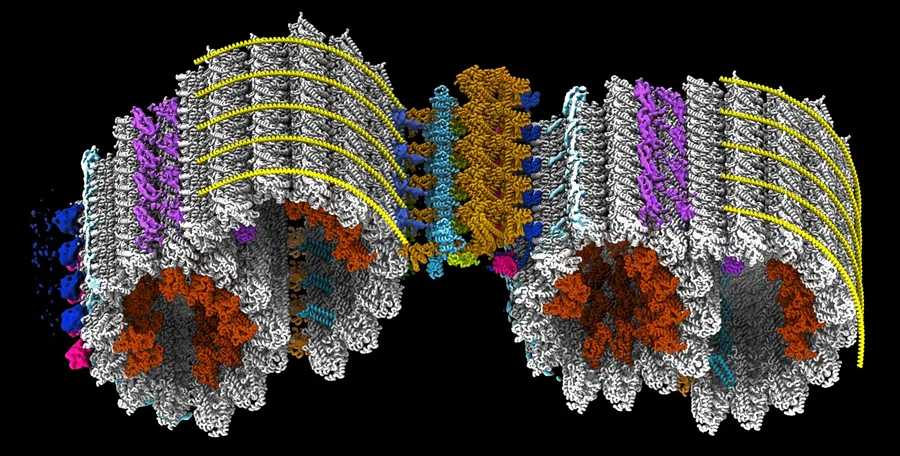
Researchers have revealed the structure and composition of an understudied region called the transition zone in hair-like cilia. They show that mutations in two genes break linkers that hold the transition zone together, hampering the cilia's ability to clear mucus from the airways. The work adds to the number of genes known to cause the rare disease primary ciliary dyskinesia, which could help e…
The brain is a black box of densely packed neurons, blood vessels and immune cells, all locked away in a sealed skull. WashU's Song Hu has dedicated his career to unlocking that puzzle box by developing new ways to "see" inside. His team's newest innovation could give researchers a new view of how brain cells and blood vessels work together and what happens when the coupling between the two break…
Researchers at the Icahn School of Medicine at Mount Sinai have found that small populations of pancreatic cancer cells can create localized immune-protective niches that shield tumors from immune attack. The finding could open new avenues for making immunotherapy more effective against one of the deadliest forms of cancer.
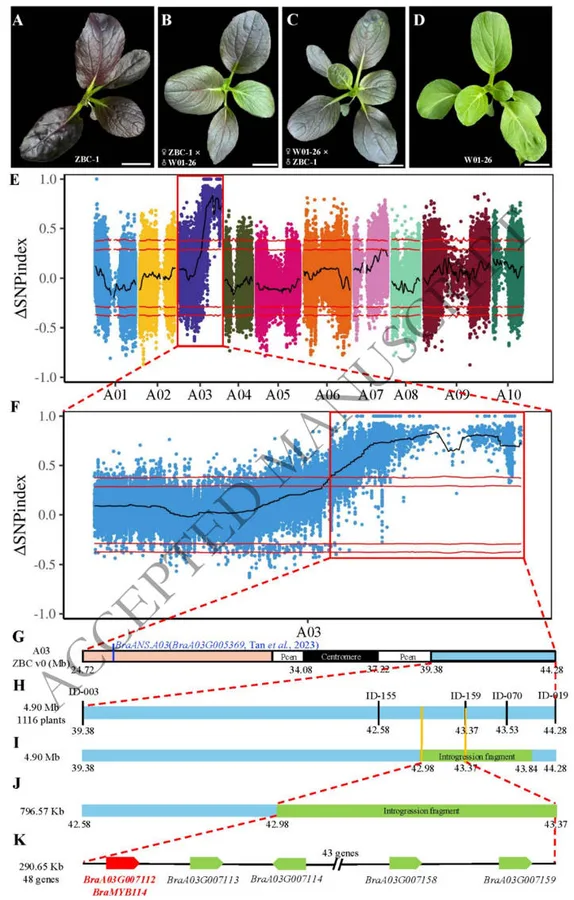
Purple pak choi gets its striking color from anthocyanins--potent antioxidants that boost nutritional value. Yet the genetic switch behind this trait has remained elusive for decades. Now, researchers have assembled a near-complete genome of purple pak choi and uncovered an unexpected story: the key color gene, BraMYB114, did not originate in pak choi itself. It was borrowed from a distant relati…









 research.io