A network of Starlink satellites designed primarily for internet connectivity is giving scientists a new way to study one of the hardest-to-observe regions of Earth’s atmosphere. According to a study by researchers at Kyoto University, publicly available orbital data from roughly 1,200 Starlink satellites were used to estimate the density of the thermosphere at an […]
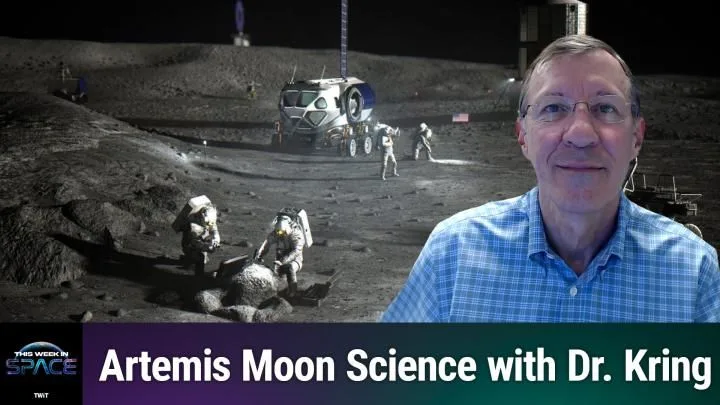
On Episode 224 of This Week In Space, Rod Pyle and guest co-host Rick Jenet are joined by Dr. David Kring to discuss the where, whys, and hows of the Artemis Program's lunar exploration plans.
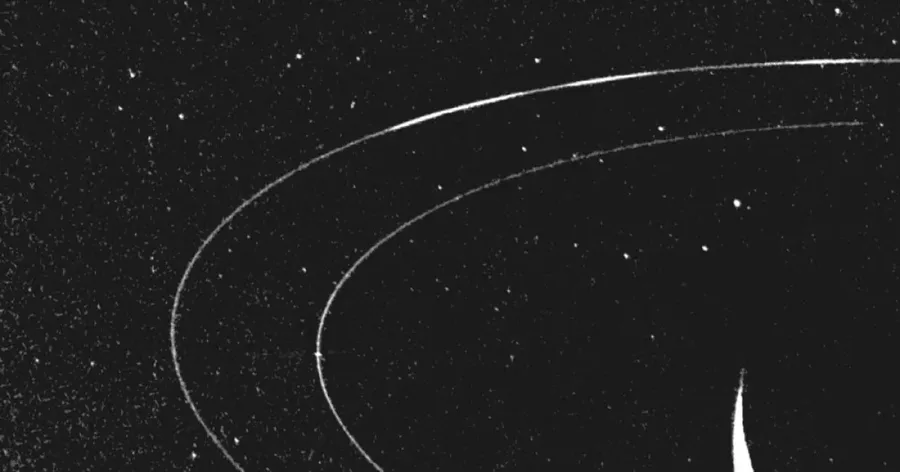
On Aug. 20, 1977, Voyager 2 launched from Cape Canaveral and began its epic journey to the outer planets – and beyond. Twelve years later, the spacecraft photographed Neptune as it approached the ice giant. Two days after that, on Aug. 22, 1989, NASA announced that Neptune had a ring system; the images had revealed Continue reading "Aug. 22, 1989: Voyager 2 reveals Neptune" The post Aug. 22, 1989…
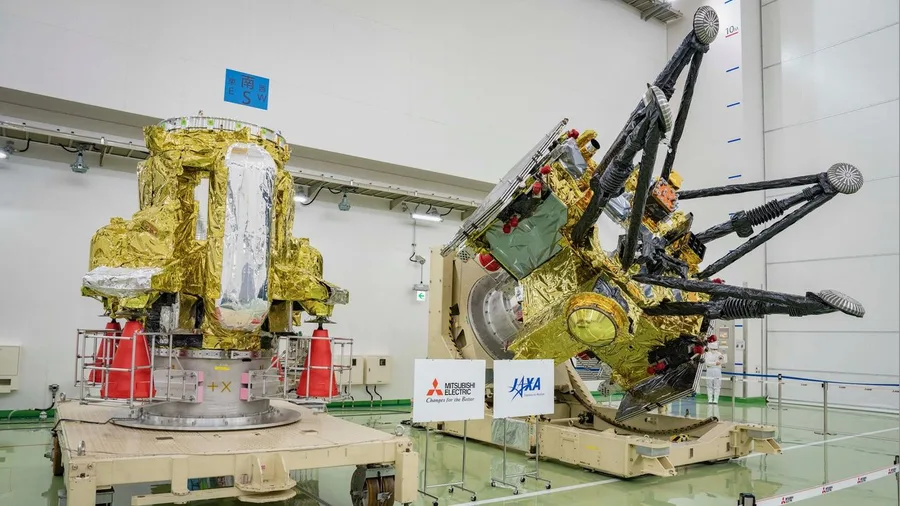
A mysterious 1977 signal inspired a new lunar mission to place a telescope on the moon’s far side, where scientists hope to search the universe for hidden messages and rare cosmic signals.
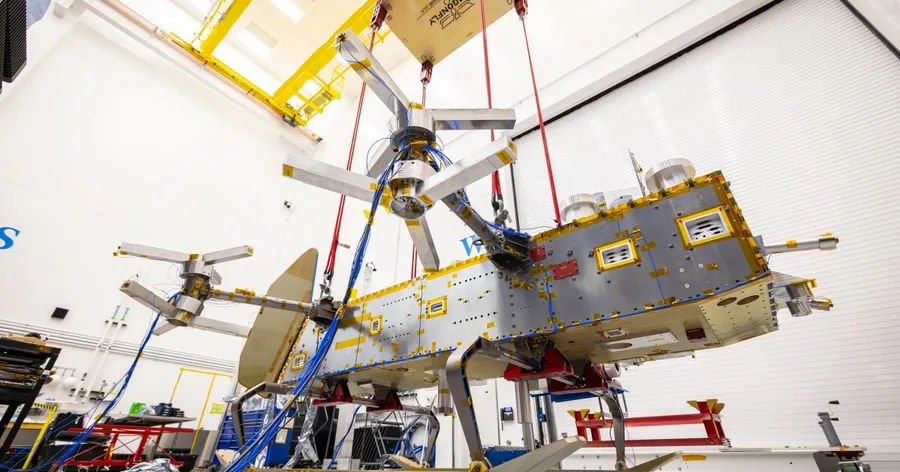
As the agency pivots to putting astronauts on the moon, this $3-billion space-copter is the agency’s last large-scale mission to explore the solar system.
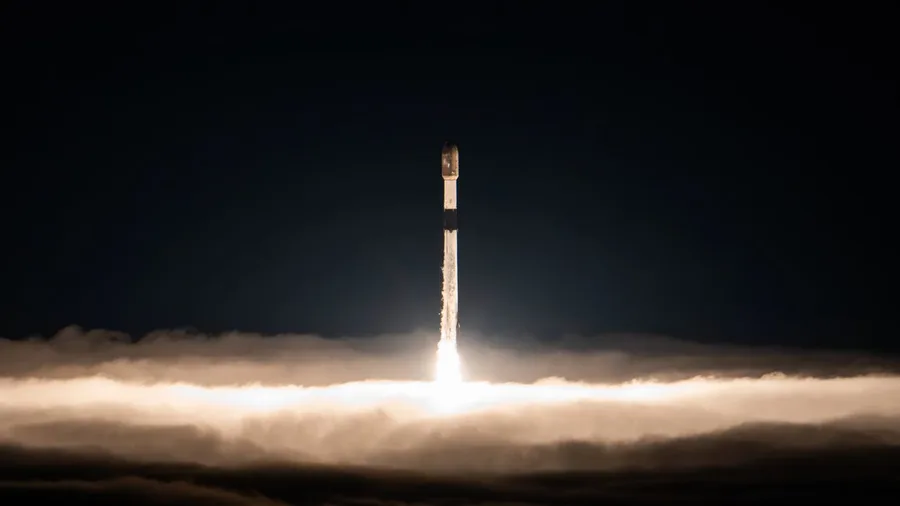
Spaceflight Now covered Starlink 10-39 here . Reposting this because the interesting part is not only the launch image. Starlink 10-39 moved from a last-minute scrub on August 20 to a successful August 21 launch from SLC-40 at Cape Canaveral. The mission carried 29 Starlink satellites toward low Earth orbit, and Falcon 9 booster B1078 landed after its 30th flight. That is already a useful launch-…
The US commercial space sector is entering a phase in which launching more rockets is no longer the only test of industrial scale. As flight cadence rises and multiple providers push toward higher throughput, the more difficult constraint is increasingly the infrastructure surrounding each mission.
Learn how to find and observe the Summer Triangle—Vega, Deneb, Altair—with star-hopping tips, deep-sky targets, and astrophotography advice. The post Summer Triangle Guide: Vega, Deneb, and Altair first appeared on .
The United States is updating its approach to managing spaceflights and reentries, with the goal of expanding the nation's capabilities to support more than 1,000 rocket launches per year by 2030.
Accelerate progress in our three core enterprises — Explore Worlds, Find Life, and Defend Earth. You can support the entire fund, or designate a core enterprise of your choice.
Paris, France | August 2026– More than 6,500 Earth observation (EO) satellites are expected to launch by 2035, generating $155.9 billion in manufacturing revenues as governments expand sovereign intelligence, surveillance, […] The post New Novaspace forecast: 6,500+ EO satellites to launch by 2035 appeared first on SpaceNews .
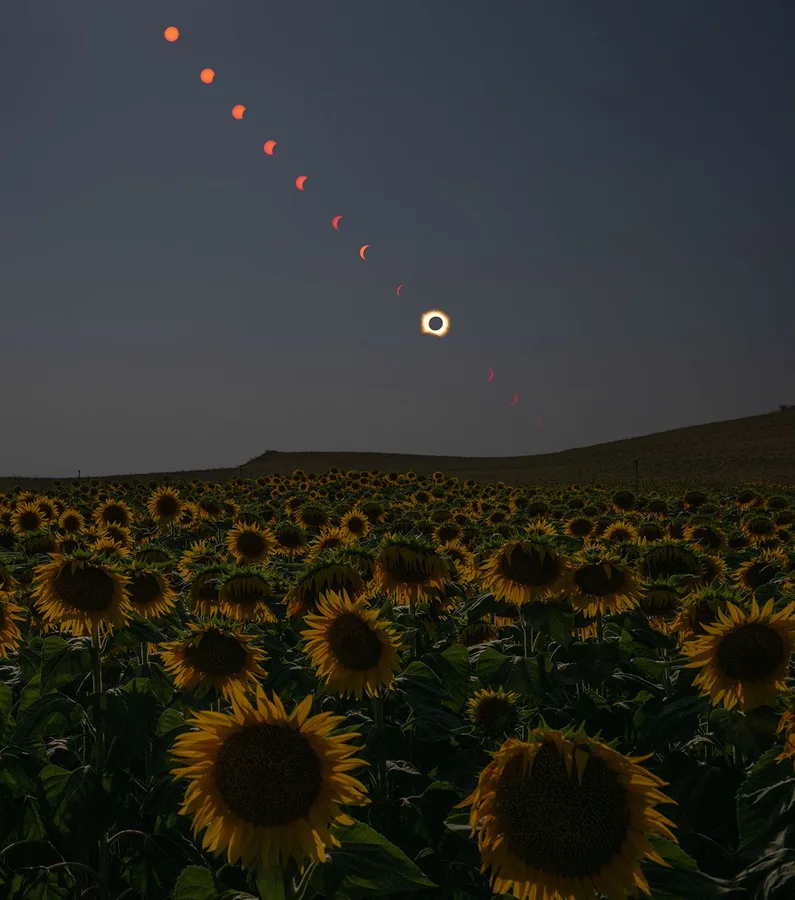
On Aug. 12, a total solar eclipse darkened skies over Greenland, Iceland, and Spain. As the Moon covered the Sun, it briefly revealed the Sun’s wispy outer atmosphere — the corona — to those in the path of totality who were lucky enough to have clear skies. NASA researchers and photographers were along the eclipse […]
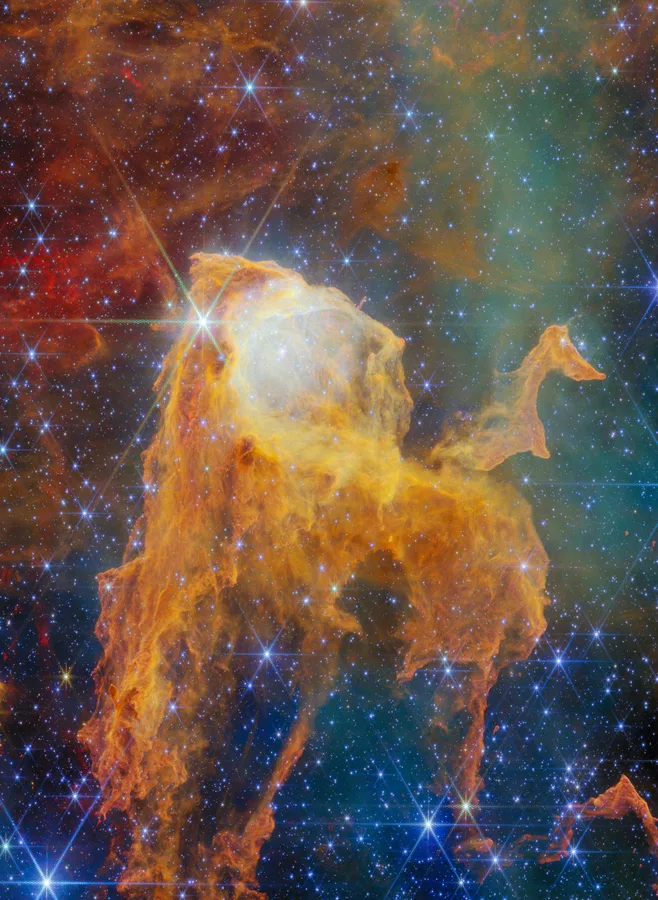
NASA’s James Webb Space Telescope captured this Aug. 6, 2026, infrared image of part of the Carina Nebula, a star-forming region also home to the Cosmic Cliffs. This feature, called the “Treasure Chest,” is an object known as a cometary globule. A cometary globule is an isolated cloud of gas and dust with a dense, […]
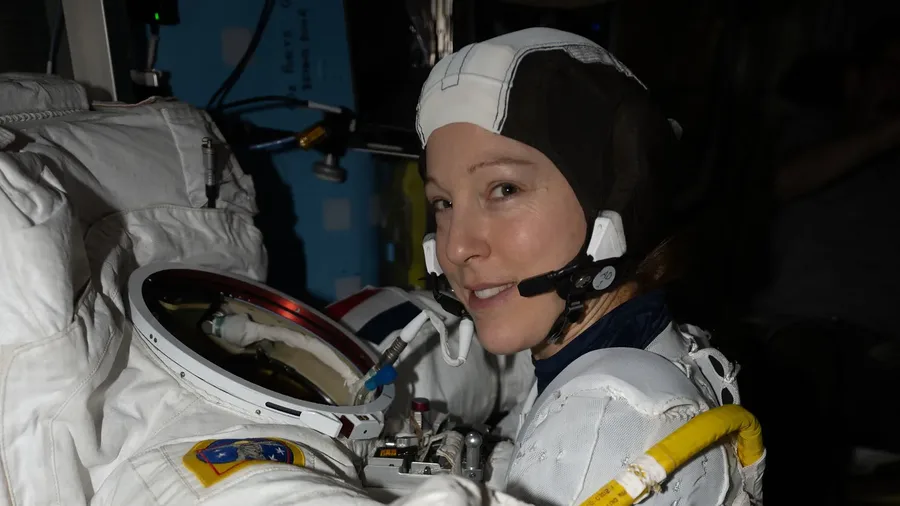
The Expedition 75 crew wrapped up the work week getting ready for a spacewalk to finish installing a high-speed antenna on the International Space Station. The orbital residents also explored new space exercise techniques, studied the human respiratory system, and completed an Earth observation session. On Friday, flight engineers Anil Menon of NASA and Sophie […] The post Week Ends With Spacewal…


 research.io