Scientific Reports, Published online: 13 September 2026; doi:10.1038/s41598-026-71133-w Mathematical model for non-monotone dose response to the PD-L1 blockade in vitro
Scientific Reports, Published online: 13 September 2026; doi:10.1038/s41598-026-71602-2 Effects of psychosocial stress on the expression and cellular localization of TET2 methylcytosine dioxygenase in germ cells of male mice
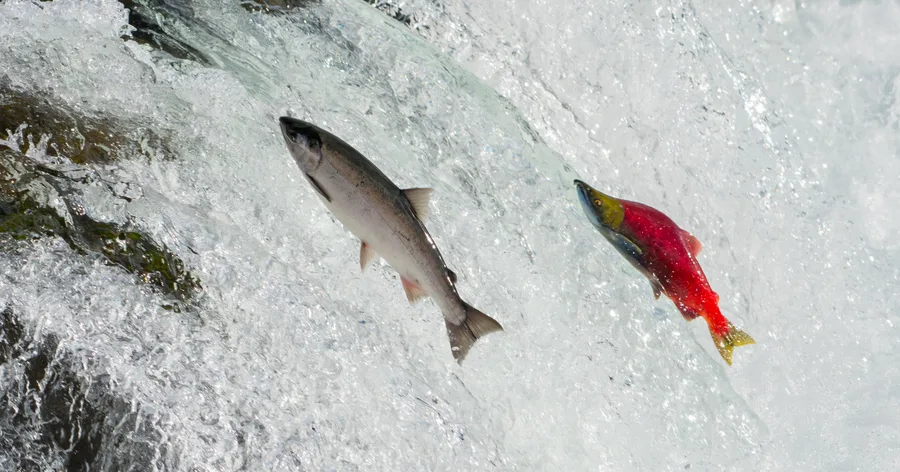
When an earthquake lifted the seafloor in Alaska, it accidentally created a evolutionary laboratory where fish rewrote millions of years of adaptation in just five decades.
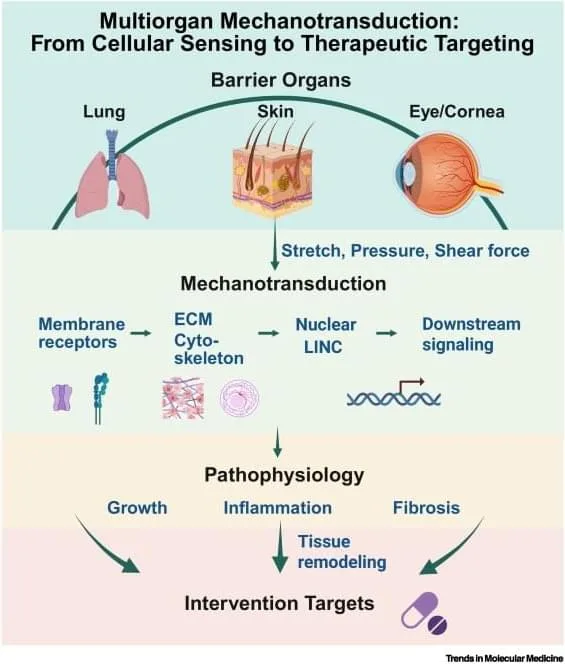
Mechanical forces regulate development, homeostasis, and repair in the skin, lung, and cornea—external barrier organs that are exposed to stretch, shear, and stiffness. Dysregulated mechanotransduction drives fibrosis, inflammation, and impaired repair via conserved pathways [Piezo1 (Piezo-type mechanosensitive ion channel 1), TRPV4 (transient receptor potential vanilloid 4), and integrin–YAP (Ye…
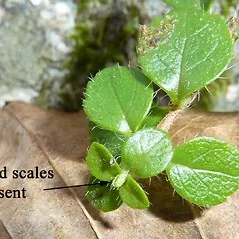
Research has shown that American twinflower cannot pollinate close relatives, and needs less closely-related individuals nearby in order to successfully set seed. Thus, if a population becomes small or isolated from others, it is more likely to die out. Full profile for this plant
A natural compound found in foods such as spinach, almonds, and sweet potatoes may aggravate gut inflammation in people with Crohn’s disease and ulcerative colitis because their intestines appear to handle it differently. Researchers say the finding could open the door to lower-oxalate diets or microbiome treatments tailored specifically to people with IBD.
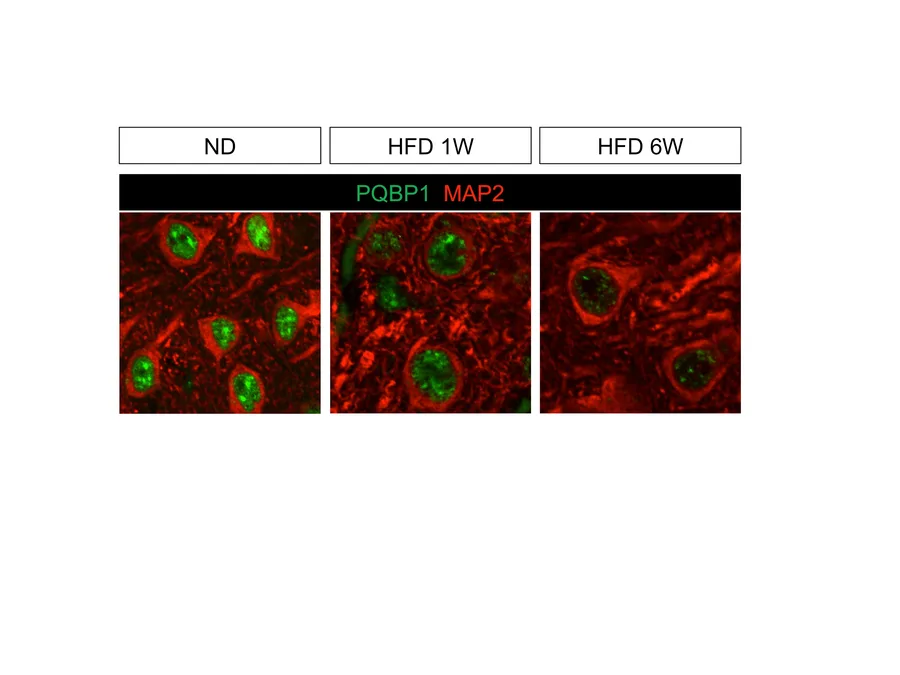
The study revealed that the high-calorie-diet-induced decrease of PQBP1 inhibits the RNA splicing of synapse-related molecules to cause abnormalities in synapse-related proteins and ultimately leading to a reduction in synapse numbers and functional impairment.
A cup of yogurt looks simple, but scientists say its effects on the body may be more complicated than the nutrition label suggests. For generations, fermented milk has been valued as a nourishing food in many cultures. Researchers are now trying to understand whether yogurt may also help support healthy aging and lower the risk […] The post The Surprising Science Behind a Bowl of Yogurt appeared …
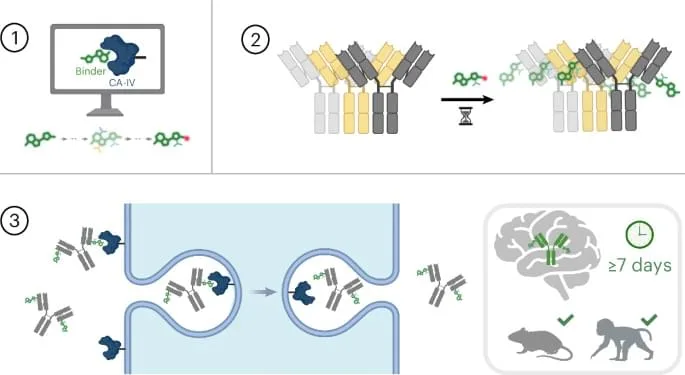
After AAV directed evolution led to discovery of a new blood-brain-barrier (BBB) receptor (carbonic anhydrase IV) which facilitates transcytosis, Ding et al. linked a small molecule binder of CA-IV to antibodies, allowing the antibodies to traverse the BBB. This is a major advance since it represents the first time that a receptor target discovered via […]
Researchers at Cornell University have developed a hybrid framework that combines deep learning-based visual classification with open-weight multimodal large language models (MLLMs) to deliver explainable, real-time plant disease diagnoses under fiel



 research.io