botany

Newswise: Latest News

Plants use sunlight to convert water and carbon dioxide into energy-rich sugars and oxygen in various ways (photosynthesis). Drought is a major challenge in this process. A research team led by Wolfram Weckwerth at the University of Vienna has now demonstrated how a particularly water-efficient variant of this process (CAM) has evolved in diverse ways within a single tropical tree genus. By analy…

biologybotanyevolutiongenetics
Botany One
The Daily Galaxy –Great Discoveries Channel
Google News Content : ScienceAlert : The Best in Science News and Amazing Breakthroughs
The Last Word On Nothing

See those little round plants? The flat ones? They’re ferns. Ferns! Did you even know ferns came like that? Not a frond in sight? Little flat discs? Well, they do! They grow in many, many wet places in Japan, often among the wee mosses and lichens, which means I’d seen them for a long time […] The post Snapshot: Funny little ferns appeared first on The Last Word On Nothing .

biologybotany
Botany One
Alun Salt
2d ago

If you were at Kew Gardens this week, you would have had the chance to see, and smell, the Titan Arum, Amorphophallus titanum, also known as the Corpse Flower. Some people say that it’s the biggest flower in the world. They’re wrong, that would be Rafflesia tuan-mudae, but it does have the largest unbranched inflorescence in the world, which means that it’s not an unreasonable mistake to make. Bu…

biologybotany
Botany One
Alun Salt
2d ago

This week we're hunting in New South Wales. Autumn has definitely come to the Southern Hemisphere, but a quick look at Hot Botany shows that there's plenty to see. This is one of the weeks where the info boxes beneath the game area could each be an essay in its own right. We have a plant with two smells, fairy petticoats with invisible guardians and a plant that looks like PacMan after he's eaten…

biologybotany
Nature Communications
Botany One
Alun Salt
3d ago

Here's a round up of the top 20 papers you've been sharing this week on Bluesky. Papers behind a paywall are marked 💰otherwise they're free to access at time of checking. How this works We scan posts by people on the Botany Auto list and pull out the entries with links to papers. Every time a paper gets a post written about it it gets 4 points. It gets 3 points for a repost and 1 point for a like…

biologybotany
Lifestyle
Nautilus

Peter Raven, the transformative conservationist and father of “coevolution,” passed away this week The post Farewell to a Giant of Botany appeared first on Nautilus .

biologybotany
College of the Environment and Life Sciences

Through hands-on learning in URI’s Department of Plant Sciences and Entomology, Justin Levesque has found community, mentorship, and a lasting connection to the natural world.

biologybotany
New Scientist - Home
Biological sciences : Scientific Reports subject feeds
Nautilus

They’re the botanical versions of Darwin’s finches The post The Rapid Evolution of Giant Daisies appeared first on Nautilus .

biologybotany
SciTechDaily

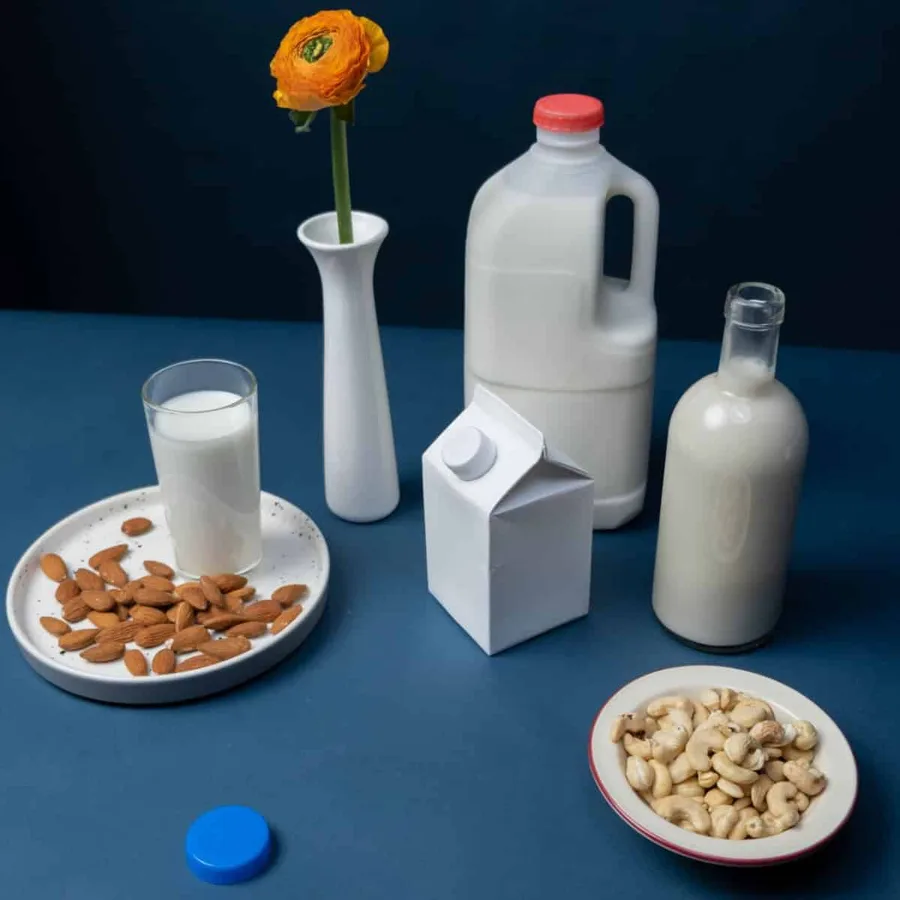
A common ornamental flower may hold untapped potential as a heat-stable, functional protein source.h3> Rising demand for protein-rich diets has fueled a surge in plant-based ingredients, but most come from crops grown specifically for that purpose. Researchers are now looking at a different opportunity: turning overlooked plant materials into useful nutrients. One candidate is the [...]

agriculturebiologybotanycrop-sciencesustainable-farming
SciTechDaily

Light doesn’t just help plants grow, it also strengthens their internal structure by tightening the connection between tissues. This added rigidity can actually slow growth, revealing a hidden balance between strength and expansion. Light is widely recognized as a key factor in plant growth, but scientists are still uncovering the details of how it works. [...]

biologybotany
Functional Ecologists

In this ‘Behind the Paper’ blog post, author Anina Coetzee – a lecturer at Nelson Mandela University, George campus, South Africa – shares the ‘buzz’ about bee avoidance in bird-pollinated flowers! Discussing the research article ‘Is bee-avoidance by bird-pollinated flowers driven by nectar robbing in Erica?‘, Anina delves into the bee-avoidance hyp…

biologybotanyecology
research.ioresearch.io

Sign up to keep scrolling

Create your feed subscriptions, save articles, keep scrolling.

Already have an account?