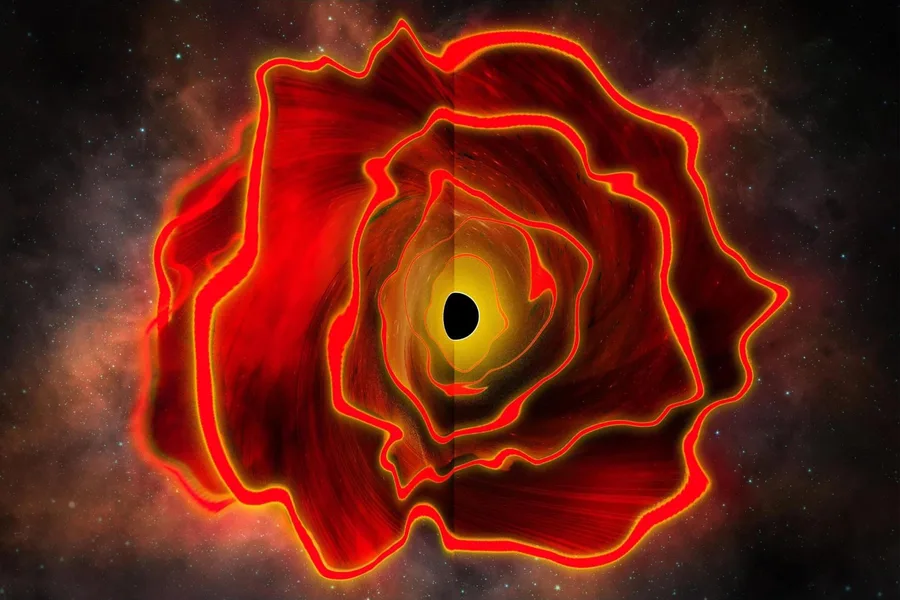
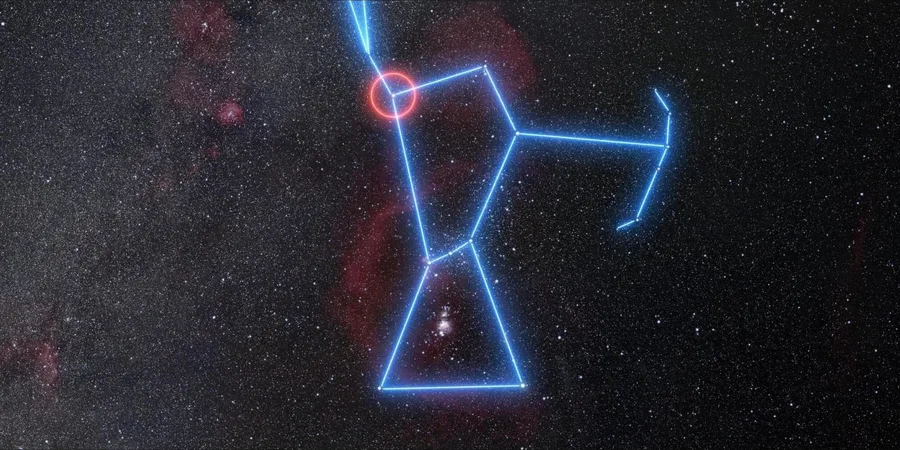
Direct imaging has revealed strong evidence that Betelgeuse is orbited by a companion two to three times as massive as the Sun. For generations, Betelgeuse has appeared to the naked eye as a single reddish point in the constellation Orion. Now astronomers have obtained their strongest evidence yet that the famous star has company. Using […]
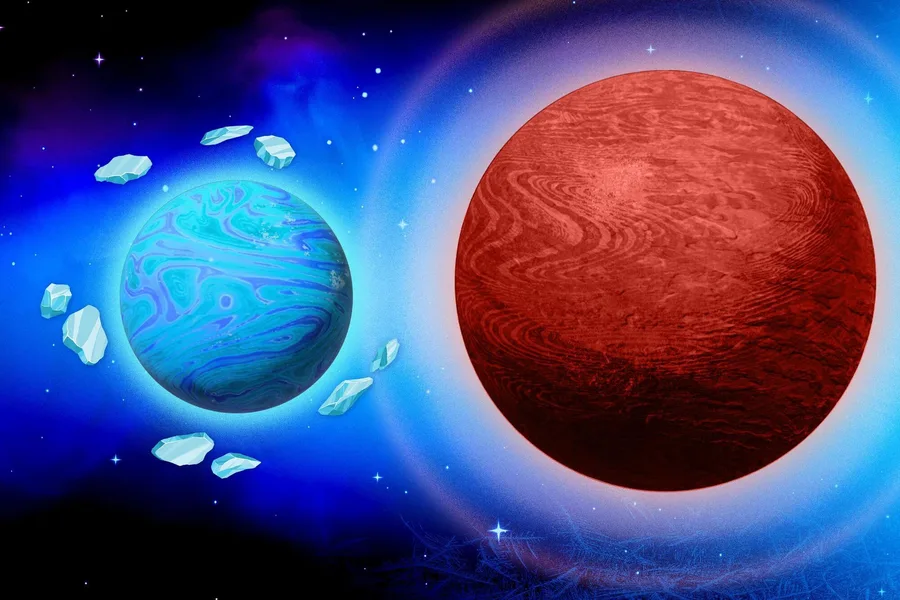
Sub-Neptunes are very good at hiding their secrets: many show flat spectra that could indicate multiple possibilities for their atmospheric composition. Yet some of these same worlds are caught in the act of losing hydrogen or helium to space. Could their escaping atmospheres reveal what their deceptively featureless spectra are hiding?
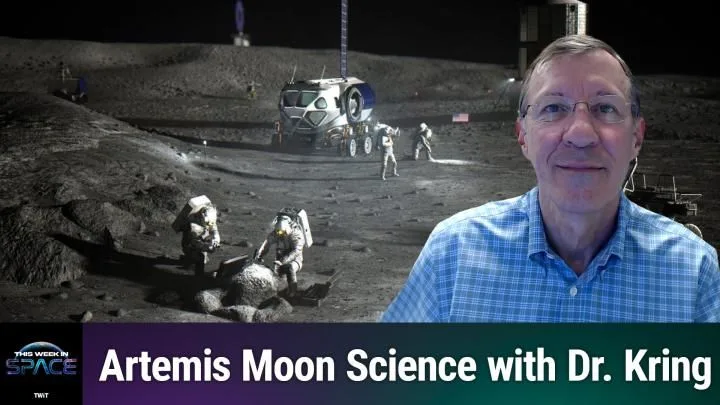
On Episode 224 of This Week In Space, Rod Pyle and guest co-host Rick Jenet are joined by Dr. David Kring to discuss the where, whys, and hows of the Artemis Program's lunar exploration plans.
Gravitational wave astronomy has seen plenty of improvements since the original signal was captured in 2015 . Despite that, it remains an engineering challenge to actually create the detectors needed for the precise measurements required to spot gravitational waves. A new NASA Innovative Advanced Concepts (NIAC) grant is funding a concept from a team led by Paul Stankus at Brookhaven National Lab…
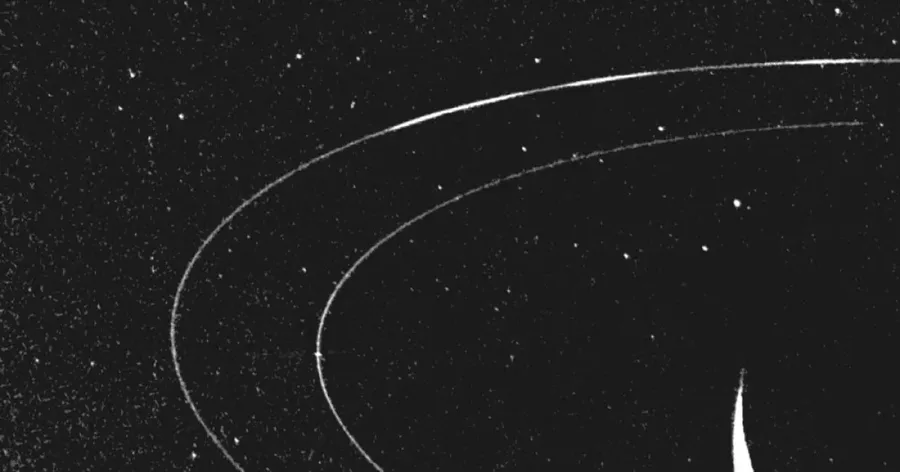
On Aug. 20, 1977, Voyager 2 launched from Cape Canaveral and began its epic journey to the outer planets – and beyond. Twelve years later, the spacecraft photographed Neptune as it approached the ice giant. Two days after that, on Aug. 22, 1989, NASA announced that Neptune had a ring system; the images had revealed Continue reading "Aug. 22, 1989: Voyager 2 reveals Neptune" The post Aug. 22, 1989…
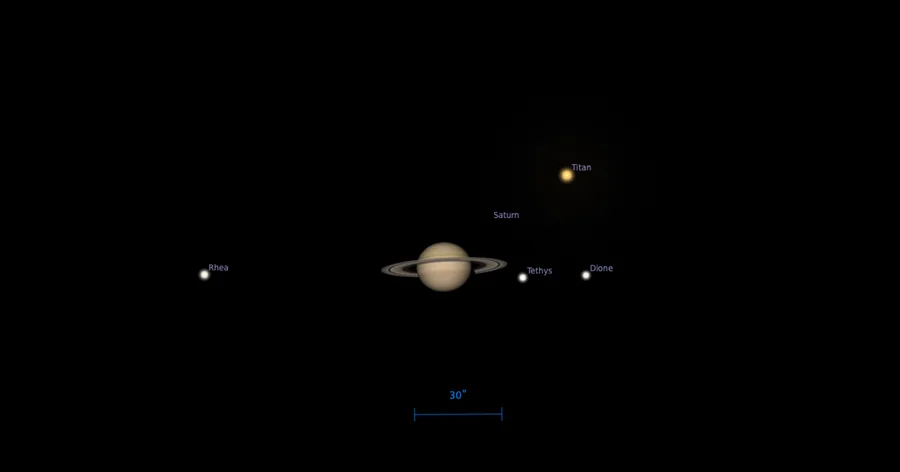
Looking for a sky event this week? Check out our full Sky This Week column. August 21: Titan nears Saturn as Dione skims past Titan, Saturn’s largest moon, was near the planet yesterday and remains close to its parent world today as it moves through its 16-day orbit. Visible in the early-morning sky, Saturn is highest in Continue reading "The Sky Today on Saturday, August 22: Titan northwest of …
Astronomers using JWST have discovered that massive early galaxies contain far more small, faint stars than expected. That hidden population could make some of these galaxies three to four times more massive than previous estimates. The finding makes it even harder to explain how enormous, mature galaxies formed so soon after the Big Bang. It could also suggest that planets around low-mass stars …
A mysterious 1977 signal inspired a new lunar mission to place a telescope on the moon’s far side, where scientists hope to search the universe for hidden messages and rare cosmic signals.
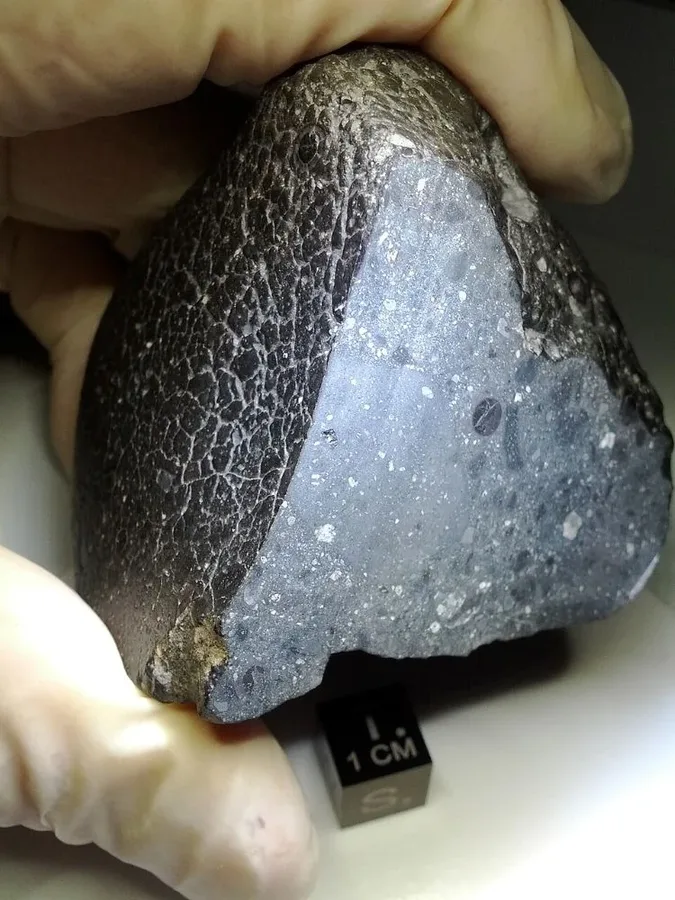
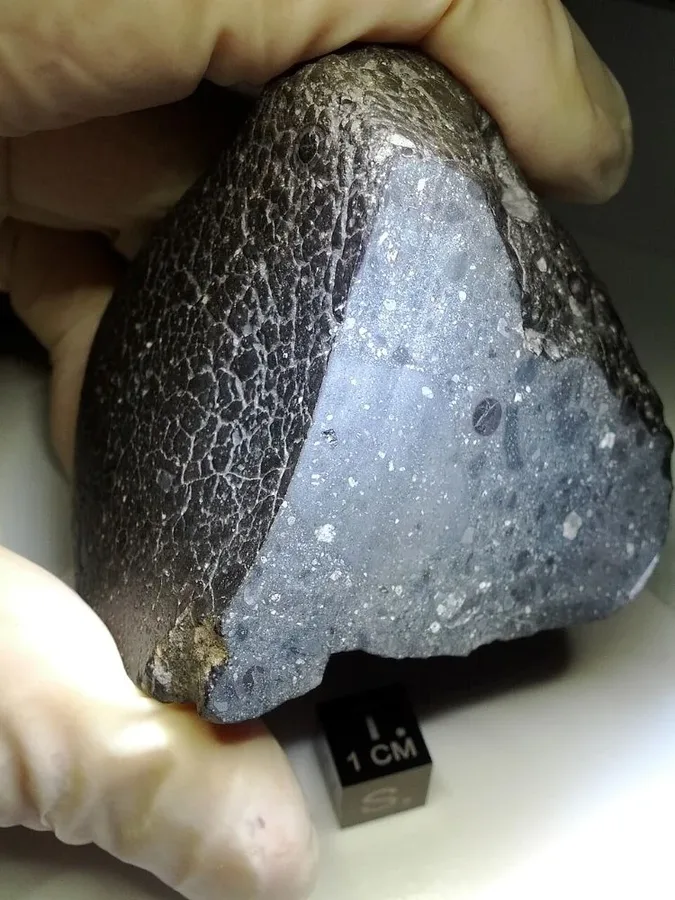
Billions of years ago, Mars was hypothesized to have been a habitable world with flowing liquid water and the potential for life. But directly studying its ancient past is currently limited to orbiters and rovers, as scientists have yet to obtain direct samples from Mars. However, meteorites have been found on Earth to have potentially […] The post Dry Martian Meteorite Reveals Early Water in Mar…
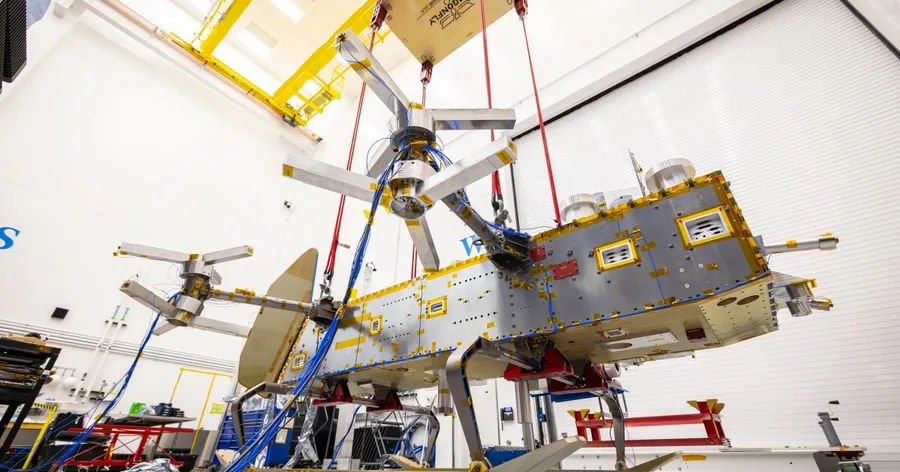
As the agency pivots to putting astronauts on the moon, this $3-billion space-copter is the agency’s last large-scale mission to explore the solar system.
Billions of years ago, Mars was hypothesized to have been a habitable world with flowing liquid water and the potential for life. But directly studying its ancient past is currently limited to orbiters and rovers, as scientists have yet to obtain direct samples from Mars. However, meteorites have been found on Earth to have potentially originated from Mars during large impacts that flung chunks o…
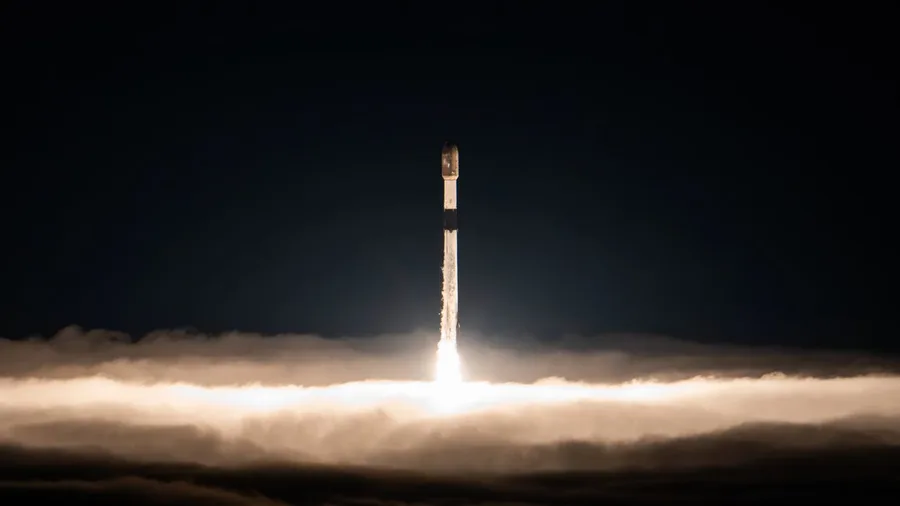
Spaceflight Now covered Starlink 10-39 here . Reposting this because the interesting part is not only the launch image. Starlink 10-39 moved from a last-minute scrub on August 20 to a successful August 21 launch from SLC-40 at Cape Canaveral. The mission carried 29 Starlink satellites toward low Earth orbit, and Falcon 9 booster B1078 landed after its 30th flight. That is already a useful launch-…



 research.io