The Chagas disease parasite (Trypanosoma cruzi) undergoes a major transformation throughout its life cycle in order to infect humans and other mammals.
Precise activation of tens of thousands of genes is critical for healthy development and growth. Specialized segments of our DNA are responsible for carefully orchestrating genetic sequences that result in the production of enzymes, hormones, proteins and other crucial components underlying cell structure and function.
The U.S. Food and Drug Administration (FDA) has cleared for marketing an innovative blood test with underlying technology invented at Washington University School of Medicine in St. Louis for the early diagnosis of Alzheimer's disease.
How does autism manifest in the brain? Researchers from the University of Southern Denmark and Odense University Hospital have investigated this question in a new study involving 60 adults.
Polycystic ovary syndrome (PCOS) affects approximately 6% to 20% of women of reproductive age globally and remains undiagnosed and poorly managed, especially during pregnancy, leading to significant healthcare costs.
Australian researchers have uncovered a promising new way to tackle one of the most aggressive forms of breast cancer, raising hopes for more effective treatments to stop the disease from spreading.
One of the most important goals of studying genetics is to find genes that are involved with diseases. The problem is that most diseases aren't caused by a single gene or mutation.
If you want to describe a particular color, you could look to the Pantone color wheel to find its exact hue, saturation and brightness, and how it compares to other colors. But nothing like that has existed for complex odors.
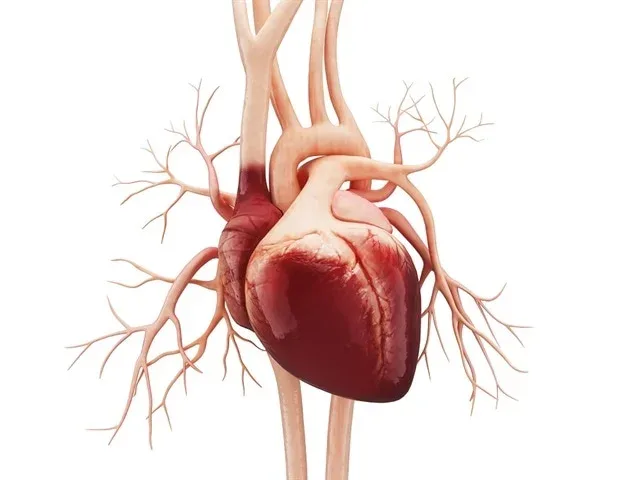
New research in mice challenges a long-standing view of how the heart builds backup blood vessels after a coronary artery blockage, showing that new collateral arteries arise primarily from capillaries rather than existing arteries.
The closer two people grow, the more alike their brains work– or so the assumption goes. Two ETH Zurich studies challenge this idea by examining the brain activity of younger and older adults who drew together over several weeks.
A digital program combining guided movement, breathing and meditation exercises, and coping-skills training reduced anxiety and depression symptoms in adults with chronic medical conditions, according to a new study published August 20th in the open access journal PLOS Medicine by Puneeta Tandon of the University of Alberta, Canada, and colleagues.
The prognosis for glioma patients remains extremely poor despite aggressive multimodal standard therapy: maximal safe resection, radiotherapy, and temozolomide chemotherapy, with median survival rarely exceeding 15 to 18 months.
Selenosugars are the major urinary metabolites responsible for the physiological excretion of selenium. Understanding selenium metabolism relies on accurately detecting and identifying selenosugars.
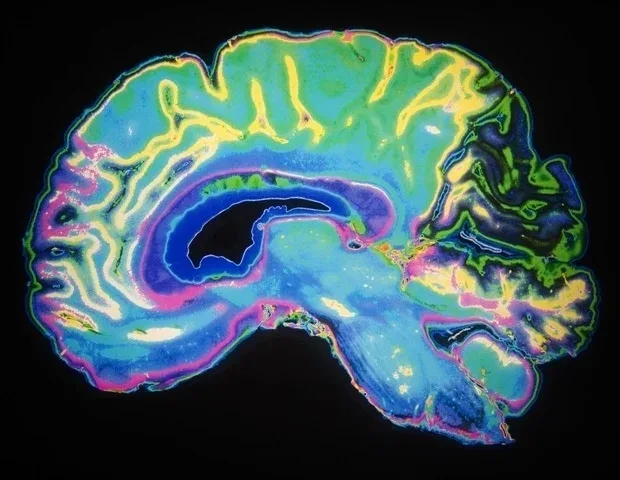
In 62 adults, researchers combined fMRI, EEG and machine learning to examine how psilocybin reshapes brain activity during rest, meditation, music and movie viewing. They found that context-sensitive neural organization tracked the intensity and quality of psychedelic experiences and was associated with next-day mindset change.
Vaccines protect most people from serious illness, but the strength of that protection can vary considerably from one person to another. A new study led by Arizona State University helps us understand why.
AI is already widely used for lesion detection, disease classification, and outcome prediction in medical imaging, but most systems remain narrowly designed for one task and depend heavily on expert-labelled data.
Drug-target interaction prediction can help researchers explain mechanisms of action, identify candidate targets, reposition existing medicines and prioritize compounds before costly laboratory work.















 research.io