Being young does not necessarily mean the heart and blood vessels are free of health risks. New research involving adults with an average age of just 23 found that most participants had at least one sign of cardiovascular, kidney or metabolic risk. Those with more advanced problems were also more likely to show early injury […] The post 80% of Young Adults Already Show Early Heart, Kidney and Met…
Scientists have found that a natural substance made by the body after eating certain foods may help the heart relax and work better in a difficult-to-treat form of heart failure. In experimental models, the compound improved some measures of heart function by as much as 80%. The substance is called urolithin A. The body can […] The post Natural Compound May Help a Stiff Heart Relax appeared first…
Sepsis-induced cardiomyopathy (SIC), a severe complication of sepsis, is strongly associated with significantly increased patient mortality, yet targeted therapeutic strategies remain lacking. Emerging evidence has established ferroptosis, an iron-dependent, lipid peroxidation-mediated regulated cell death pathway, as a critical pathogenic mechanism underlying SIC. Iron metabolism dysregulation p…
Researchers at King’s College London have identified a surprising new therapeutic mechanism for a type of heart failure called heart failure with preserved ejection fraction (HFpEF), a condition that affects nearly half of all heart failure patients and has long resisted effective treatment. The post Natural Postbiotic Compound Shows Promise against Hard-to-Treat Heart Failure appeared first on S…
Interviews with patients hospitalized for heart failure, caregivers, providers, and organizational leaders highlighted several strengths of Mighty Heart (a major clinical trial examining the effectiveness of in home and telehealth-enabled visits from paramedics) that may support its adoption and implementation across health systems, a Columbia Nursing-led study finds.
Exercise is a critical determinant of both immediate and long-term health for individuals with congenital heart disease (CHD). While pediatric cardiologists increasingly recognize the importance of promoting physical activity, formal training in exercise counseling remains limited. Exercise cardiology is an evolving subspecialty, with growing educational and training opportunities for congenital …
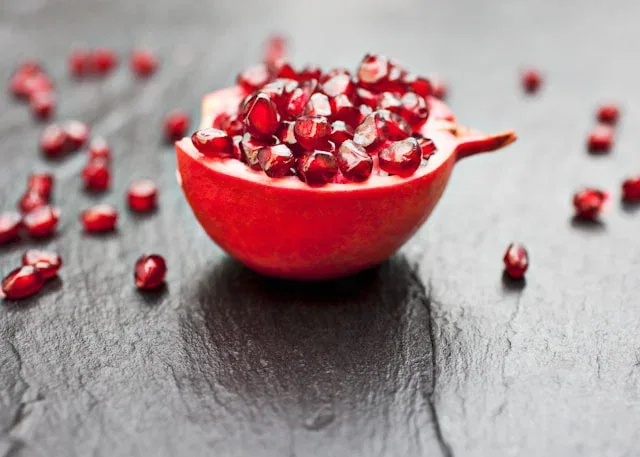
Scientists have discovered that a certain compound produced in the body after eating foods like pomegranates, walnuts, and some berries — known as urolithin A — improves heart function by up to 80% in a type of heart failure that has limited treatment options. The specific type of heart failure investigated is known as heart failure with preserved ejection fraction (HFpEF). While the heart can st…
Omega-3 fatty acids have had a prominent place in the conversation around health promotion and disease prevention—especially CVD prevention—for decades. While alpha-linolenic acid (ALA) is found in plant sources like flaxseeds and walnuts, the most clinically significant omega-3s are eicosapentaenoic acid (EPA) and docosahexaenoic acid (DHA), which are primarily sourced from marine life. Initiall…
A compound connected with foods such as pomegranates and walnuts could point scientists toward a new treatment for one of the most stubborn forms of heart failure. Researchers found that urolithin A helped stiff heart tissue relax and reduced several damaging changes linked to the disease. Urolithin A is not simply a nutrient that comes […] The post Pomegranate Compound May Help Treat Heart Failu…




 research.io