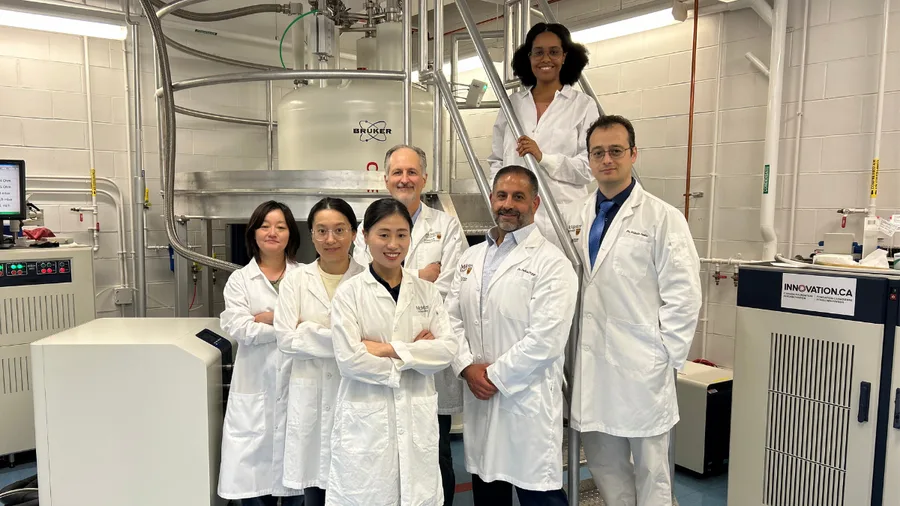
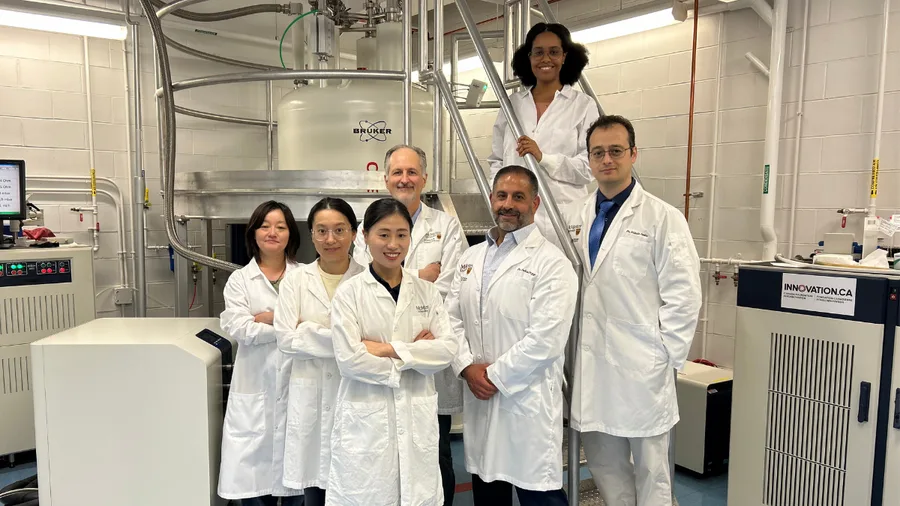
Using advanced nuclear magnetic resonance (NMR) spectroscopy and clinical expertise in transfusion medicine, the Canadian team identified a hidden mechanism that controls whether a blood protein remains harmless or becomes the target of clot-causing antibodies.
Using advanced nuclear magnetic resonance (NMR) spectroscopy and clinical expertise in transfusion medicine, the Canadian team identified a hidden mechanism that controls whether a blood protein remains harmless or becomes the target of clot-causing antibodies.
Using advanced nuclear magnetic resonance (NMR) spectroscopy and clinical expertise in transfusion medicine, the Canadian team identified a hidden mechanism that controls whether a blood protein remains harmless or becomes the target of clot-causing antibodies.
Aldoris Mbonya-Bate does not let sickle cell disease make her plans for her. She has built a career she loves, acted in film and television projects and traveled internationally, including to the Maldives and Thailand.
BackgroundSevere aplastic anemia (SAA) is a life-threatening bone marrow failure disorder. Allogeneic hematopoietic stem cell transplantation (allo-HSCT) is an established curative treatment for pediatric patients with SAA. Busulfan, a key component of conditioning regimens, has a narrow therapeutic index and marked interindividual pharmacokinetic variability. However, the impact of different fir…
[Microbiology Spectrum] Researchers identified a stably integrated and transcriptionally active anellovirus genome in anAML cell line, providing a unique model to study viral persistence in hematopoietic cells.
Immune thrombotic thrombocytopenic purpura (iTTP) is an autoimmune thrombotic microangiopathy caused by antibody-mediated deficiency of the plasma metalloprotease ADAMTS13. Therapeutic antibodies that target antibody-producing B-cells via the CD20 surface receptor protein to prevent disease exacerbation and relapse have become part of the standard of care of patients with iTTP. However, clinical …
Learn about anemia in C3 glomerulopathy (C3G), including causes, symptoms, diagnosis, and treatment options to manage fatigue and improve quality of life.
Scientific Reports, Published online: 21 August 2026; doi:10.1038/s41598-026-67218-1 Enhanced thrombin generation potential in male and female patients with Fabry disease: a single-center observational study
Pediatric acute myeloid leukemia (AML) is a severe hematological malignancy where allogeneic hematopoietic stem cell transplantation (allo-HSCT) serves as a critical, life-saving intervention.
Pediatric acute myeloid leukemia (AML) is a severe hematological malignancy where allogeneic hematopoietic stem cell transplantation (allo-HSCT) serves as a critical, life-saving intervention.
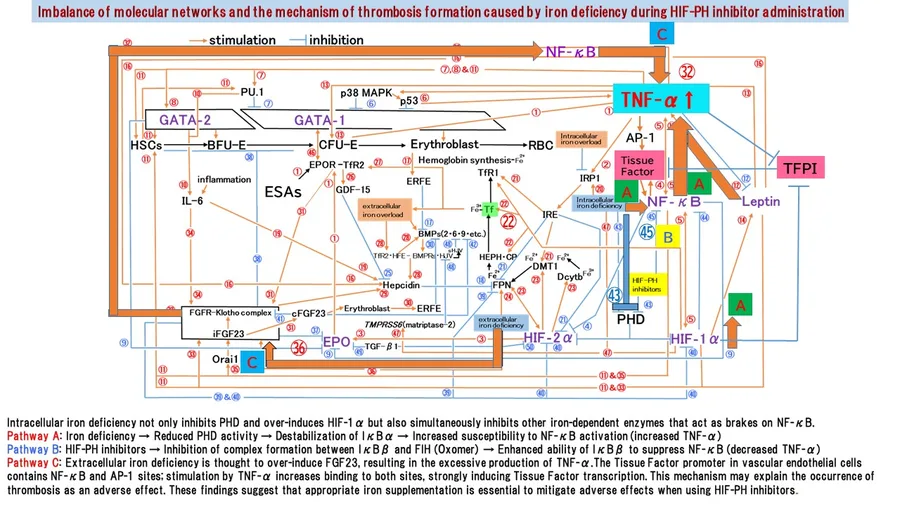
Thrombosis associated with HIF-PH inhibitor therapy has become a major concern. While elevated transferrin (Tf) levels were previously thought to be the cause, recent findings suggest that Tf may actually inhibit thrombus formation. I propose a new hypothesis based on my own theory.
Inherited bone marrow failure syndrome, or IBMFS, describes a group of disorders in which inherited genetic abnormalities impair the bone marrow's ability to produce sufficient healthy blood cells.
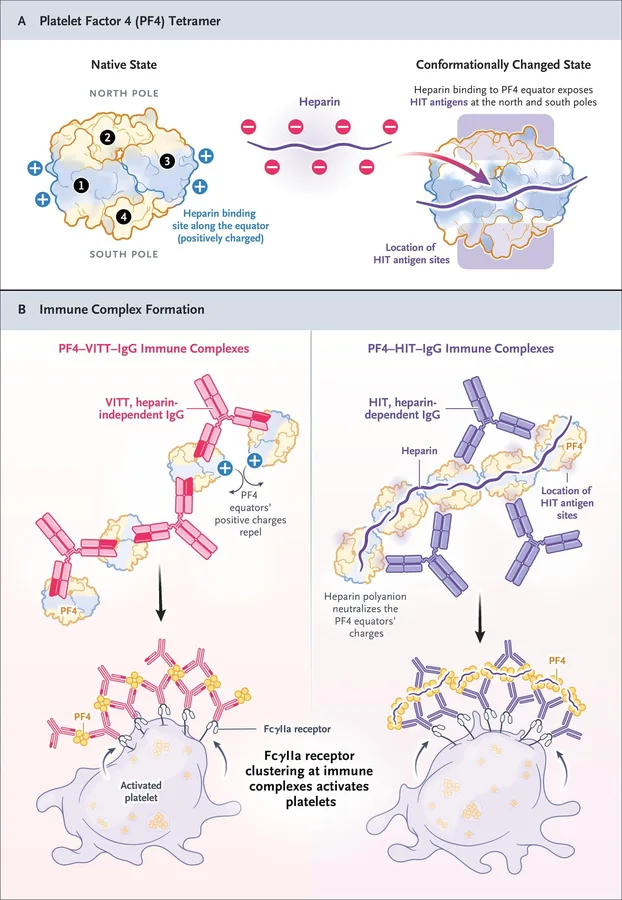
Platelet-activating antibodies against platelet factor 4 (PF4) cause highly prothrombotic disorders with reduced platelet counts. In heparin-induced thrombocytopenia (HIT), these antibodies bind PF4–heparin complexes, causing heparin-dependent platelet activation. Less common autoimmune and spontaneous HIT variants that are triggered by heparin and nonpharmacologic polyanions, respectively, have …
For 50 consecutive years, the University of North Carolina Division of Hematology has received funding through a National Institutes of Health (NIH) T32 training grant. The milestone reflects five decades of investment in training physician-scientists and researchers who have gone on to advance the field of hematology through careers in academic medicine and at the bench. Originally awarded in Ju…
Adelaide University's Professor Tim Hughes is leading a major new research program to shape the future of chronic myeloid leukaemia (CML) therapy, aiming to take patients beyond lifelong treatment, into sustained treatment free remission.







 research.io