Science News
In mouse brains, star-shaped astrocytes form flexible networks that may offer another way for brain regions to communicate.
Stop and smell America’s state flowers at the U.S. Botanic Garden in Washington, D.C., open now through October 12, 2026.
Rather than reining in the compounds, the FDA may be poised to broaden access, perhapas even adding peptides to supplements. Experts say “buyer beware.”
AI may help doctors avoid missed diagnoses, but it still needs real-world testing and human oversight before it can guide patient care.
In cows’ guts, ciliates contain a tiny organelle called a hydrogenobody that may drive production of methane, a potent greenhouse gas.
A clinical trial for spina bifida treatment suggests that a surgical approach relying on stem cells is safe for patients. Its efficacy is still being evaluated.
From the hush of people coming to a standstill to the reverberations of fans, seismic data can capture the ebbs and flows of human activity.
Tiny crystals suggest extinct volcanoes could still grow underground, a finding that could reshape how scientists assess eruption risk.
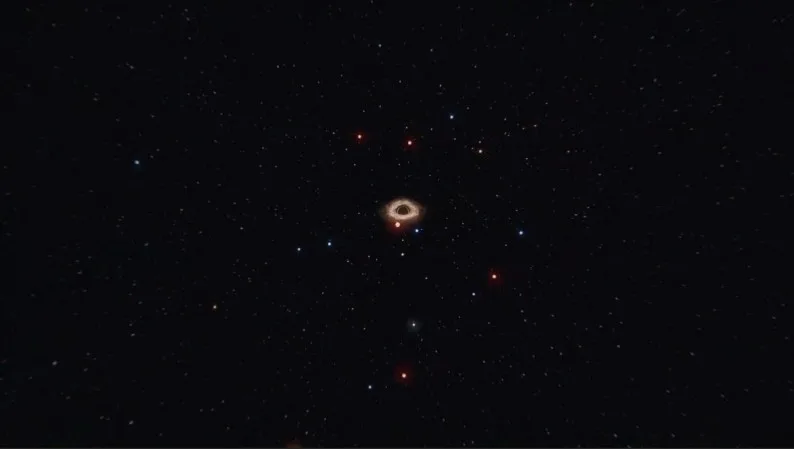
The Nu ring seems to be fed by unknown rocky bodies, whereas the Mu ring appears rich in water ice and linked to the moon Mab.
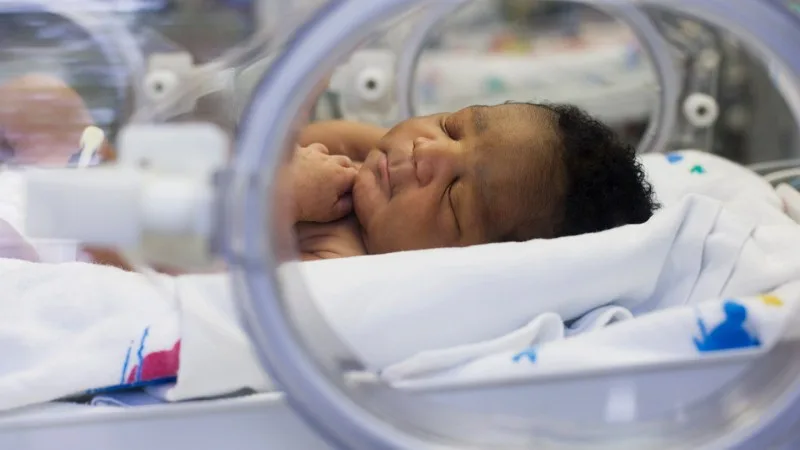
Preeclampsia complicates 3 to 8 percent of pregnancies. In a recent trial, a blood filter lowered blood pressure and helped prolong some pregnancies.
James Webb data reveal pristine gas irradiated by energetic light some 450 million years after the Big Bang — a sign it may house primordial stars.
An analysis of ancient DNA and modern disease risk suggests some immune genes may reduce allergy risk rather than increase it.
Inspired by gas and liquid flow in earth science, researchers brewed an equation to calculate the speed of water percolation through ground coffee.
Some octopuses that lived over 72 million years ago were as long as whales. These huge predators may have been the largest invertebrates ever.
NASA’s SPHEREx mapped water ice across vast regions of the galaxy, confirming that an essential molecule for life on Earth abounds in space.
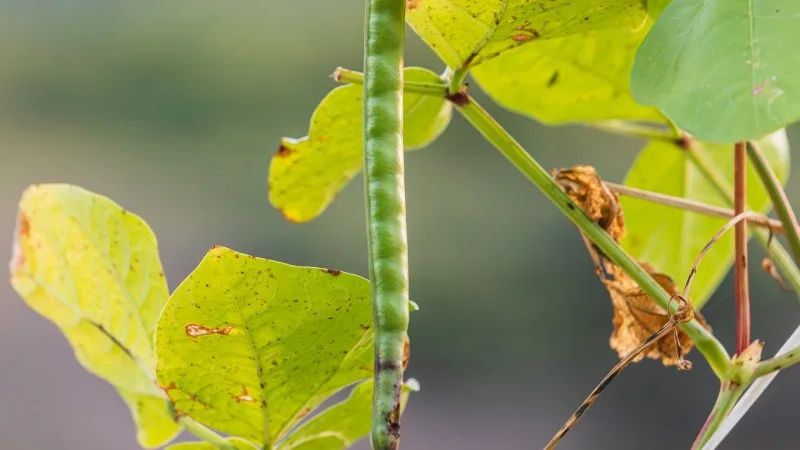
A new study offers evidence from natural shrubland that leaves, not just roots, can take up nutrients from deposited dust.
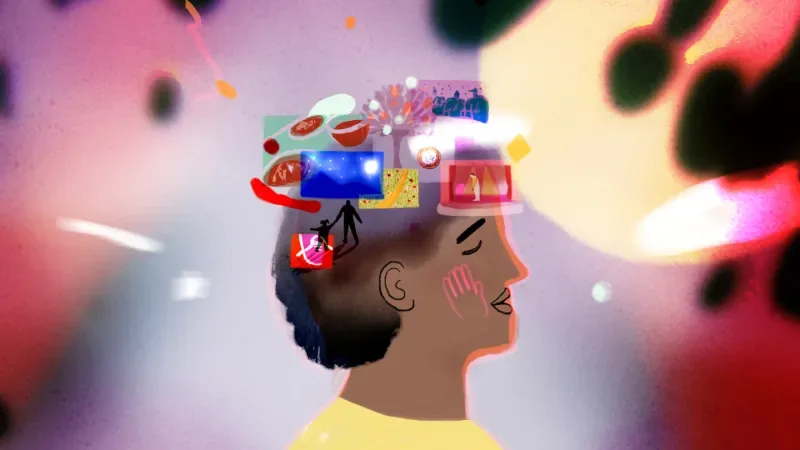
The findings differ from prior work, showing it's tough to disentangle how similarly our brains register imagined thoughts and real sensations.
CAR T cell therapy wipes out rogue antibodies' source and improves walking speed in people with the same autoimmune disorder that affects Celine Dion.
Suicide is a top cause of death for teens and young adults. A study finds a link between the 988 Lifeline and a drop in their suicide mortality.
research.ioSign up to keep scrolling
Create your feed subscriptions, save articles, keep scrolling.