You don't have to run fast to reap the cognitive rewards of jogging. A new study found that just 10 minutes of super-slow running enhances mood and executive function.
Personal Perspective: AI's goal is to keep us engaged with it, so it rarely challenges us. Instead, it encourages us to feel understood—and to forget we're talking with a machine.
We’re often quick to treat unwanted patterns as problems to fix. But before trying to change them, it may be worth asking what they’ve been doing for us all along.
Psychiatric testimony at the trial was comprehensive and confrontational at times. Yet the fundamental issue of the insanity defense was left unaddressed.
When the same painful fights leave you feeling hopeless, change can seem out of reach. Hope begins when you discover that how you show up can change what happens next.
We’ve blamed screens and content. The deeper problem may be the machinery behind them—and what it teaches developing brains about attention, reward, trust, and stress.
What does it mean to remember an event you never experienced? A 30-year-old communication professor and her 18-year-old students explore how 9/11 is carried across generations.
How better breathing can help calm tension, interrupt anxious thinking, and restore your sense of control. Learn the four steps of cyclic sighing to manage stress and anxiety.
Hulu’s new drama "Furious" unpacks the world of sex trafficking, sexual violence, PTSD, and denial. The themes are familiar, but the nuance and details of this series feel unusual.
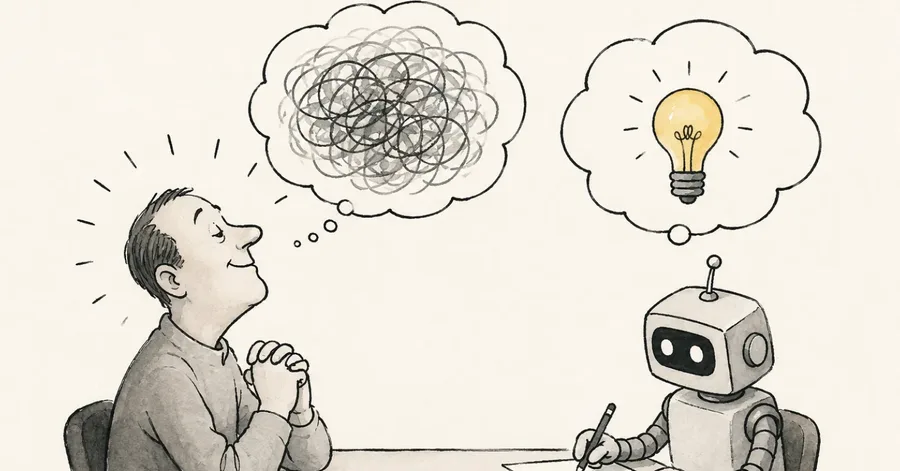
The gap between confidence and competence widens when our certainty grows faster than our comprehension, especially with AI use.
Have people ever given you their contact info only to then ignore or in some way avoid you when you actually reach out to them? Well, you probably experienced some dial-toning.



















 research.io