Introduction: The prospects for using magnetic hyperthermia in cancer therapy are largely determined by the properties of the magnetic nanoparticles (MNPs), including heating efficiency, biosafety, and bioresorption capacity. In this study, we performed a comparative in vivo assessment of the toxicity and bioresorption of Fe3O4- and Zn0.2Mn0.8Fe2O4-based MNPs stabilized with oleic acid/sodium ole…
Introduction: Based on the chemical structures of known Rho-kinase-2 inhibitors, 18 benzimidazole derivatives were synthesized and studied for their ophthalmic hypotensive activity in animals with normal intraocular pressure. The dependence of the pharmacological effect on the chemical structure of the compounds was analyzed. The effect of the most active compounds on Rho-kinase-2 activity was as…
Introduction: As an age-associated metabolic disease of the skeleton, osteoporosis (OP) causes a significant medical and socio-economic burden. One of the challenges in clinical practice is the adverse effects of widely used bisphosphonates. Therefore, the search for preventive pharmacotherapeutic strategies is needed. Materials and Methods: Sixty female Wistar rats randomized into 6 equal groups…
Andrey E. Shchekotikhin (shchekotikhin@gause-inst.ru)
6/27/2026
Introduction: Anthracyclines and anthracenedione derivatives are a group of anticancer drugs that are widely used in clinical practice. Their application is frequently limited by cardiotoxic effects. The aim of this study was to evaluate the cardiotoxicity of the new anthracenedione derivative Anthrafuran (AF) in comparison with Doxorubicin ( Dox ) and Mitoxantrone ( MT ). Materials and Methods: …
Introduction: The aim of the study was the effect of solid herbal extract of Primula veris L. and comparison drugs phenotropil and mildronate on the psycho-emotional state of rats after chronic alcohol intoxication (CAI). Materials and Methods: CAI was modeled by replacing drinking water with a 10% solution of ethyl alcohol with sucrose (50 g/L) for 6 months. After alcoholization, rats at the age…
Introduction: Skin wound healing in cancer patients is a complex issue, influenced by both the tumor process itself and the effects of antitumor therapy. This study assessed the efficacy of various skin wound treatment regimens in mice with transplanted Lewis lung carcinoma (LLC). Materials and Methods: 72 C57BL/6 mice were divided into six groups, including control, topical application of 1% cer…
Introduction: The problem of cardiorenal syndrome (CRS) in patients with acute coronary syndrome (ACS) and arterial hypertension (AH) is highly relevant. Early diagnosis, based on cystatin C, microalbuminuria, and arterial stiffness, is key for prognosis and therapy selection. Aim: To assess CRS marker dynamics and arterial stiffness in patients with ACS, AH, and chronic kidney disease (CKD) on s…
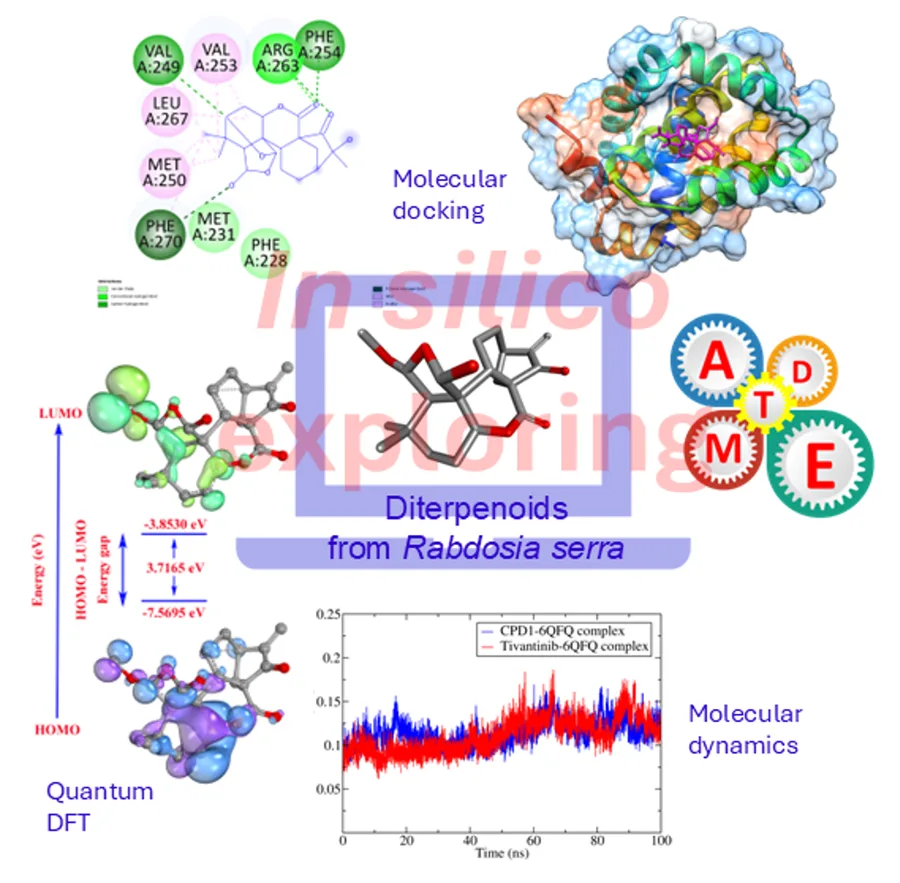
Introduction: Apoptosis resistance in non-small cell lung cancer is frequently sustained by pro-survival Bcl-2 family proteins such as Mcl-1, motivating the search for new Mcl-1 inhibitors from natural products, including diterpenoids from Rabdosia serra . Materials and Methods: An integrated in silico approach was applied to evaluate R. serra diterpenoids as putative Mcl-1 (PDB: 6QFQ) inhibitors…
Introduction: The inflammatory response to cerebral ischemia plays a crucial role in stroke outcome. This study focuses on the neuroprotective effects of tryptanthrin , a plant alkaloid with anti-inflammatory activity, in the rat model of focal cerebral ischemia (FCI). Materials and Methods: The neurological status of animals was assessed at 4, 24, and 48 hours after FCI (1-hour occlusion of the …
Introduction: Cisplatin is a key drug used for anticancer therapy. However, its use is often accompanied by the development of acute kidney injury. The aim of this study was to develop an optimal model of cisplatin-induced kidney injury in rats and use it to study the nephroprotective properties of polydatin . Materials and Methods. The experiment was performed in 100 male Wistar rats. To test th…
Introduction: Current methods for assessing adherence to combination therapy based on aggregated measures (e.g., PDC, proportion of days covered) poorly capture treatment intensity and sustainability over time. We attempted to describe adherence trajectories for combination therapy using integral metrics. Aim: To develop a set of integral metrics analogous to key pharmacokinetic (PK) parameters –…
Introduction: Metabolic disorders, particularly diabetes mellitus, can lead to the formation of chronic wounds, slowing healing processes. A key factor impeding wound healing is the decreased production of endogenous nitric oxide (NO) due to a hyperglycemic microenvironment. Nitric oxide (NO) is a key signaling molecule produced by three different isoforms of nitric oxide synthase (NOS) – iNOS, e…
Correction by neuroglutam and succicard of age-associated impairments in accelerated aging in rats with diabetes
DOI:
https://doi.org/10.18413/rrpharmacology.12.1063Abstract
Introduction: The study aimed to investigate the impact of a long-term diabetic state on the development of accelerated aging and to evaluate the efficacy of therapy with metformin, neuroglutam, and succicard in correcting as…
The C3435T genetic polymorphism of the ABCB1 (MDR1) gene as a predictor of antihypertensive efficacy of losartan monotherapy in newly diagnosed arterial hypertension
DOI:
https://doi.org/10.18413/rrpharmacology.12.1057Abstract
Introduction: Losartan, a selective angiotensin II receptor type 1 antagonist, is transported across cell membrane mediated by P-glycoprotein, the product of the ABCB1 (als…
Efficacy of micronized progesterone-based preparations used to prevent placental insufficiency: an experimental study
DOI:
https://doi.org/10.18413/rrpharmacology.12.1030Abstract
Introduction: Progestogen-based drugs have anti-ischemic, antispasmodic, and immunomodulatory effects. Therefore, studying the effect of micronized progesterone (MP) on the inflammatory process in the placenta is of grea…
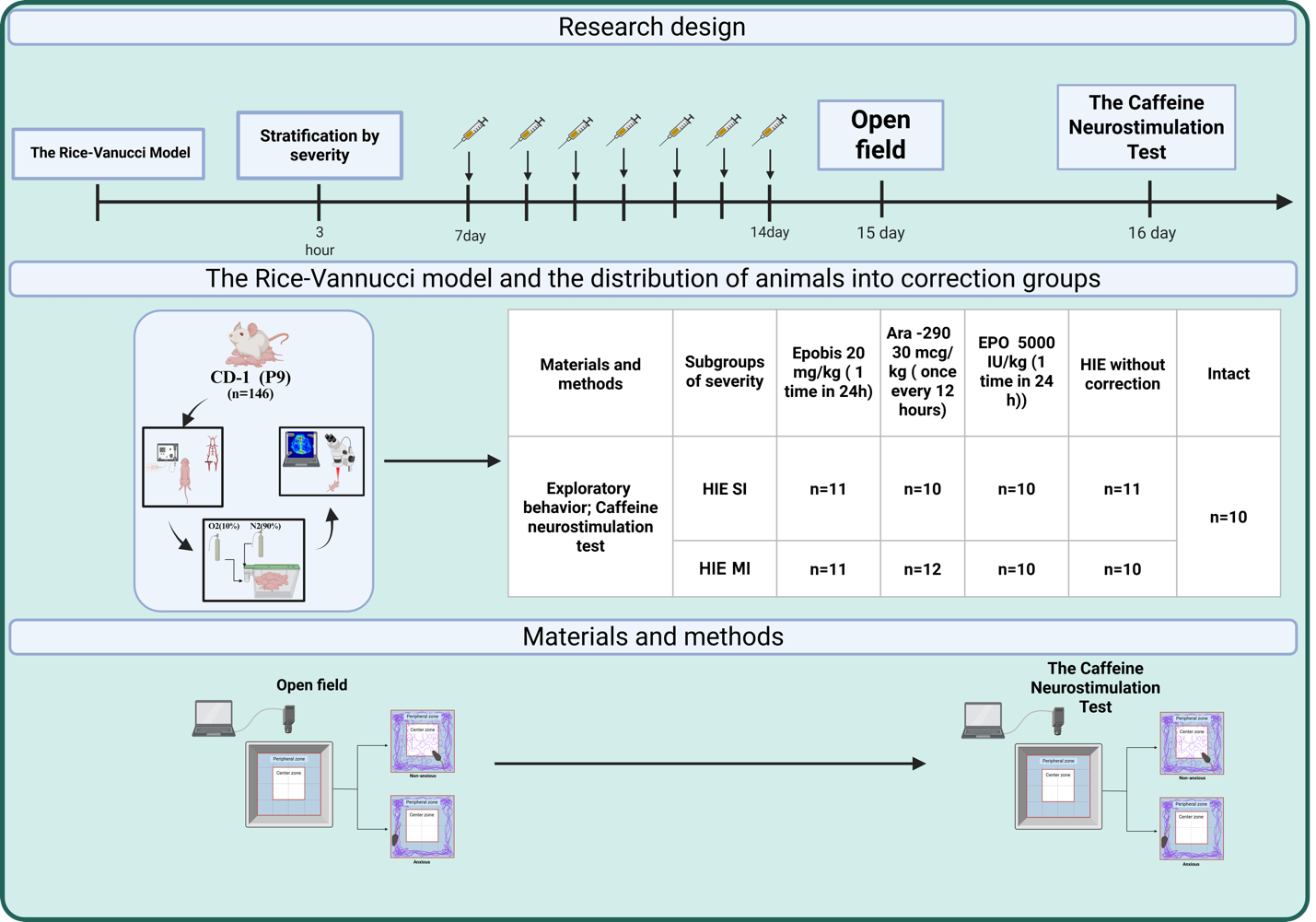
Evaluation of pharmacological correction of hypoxic-ischemic encephalopathy sequelae using peptide erythropoietin analogs in a mouse model of mild and moderate hypoxic-ischemic encephalopathy during the late remodeling phase
DOI:
https://doi.org/10.18413/rrpharmacology.12.1075Abstract
Introduction: Hypoxic-ischemic encephalopathy (HIE) is an early-life brain injury that remains a leading cause of…
The effect of the azolo-triazine derivative AB-19 on the development of diabetic cardiomyopathy in rats
DOI:
https://doi.org/10.18413/rrpharmacology.12.1049Abstract
Introduction: Cardiovascular diseases, including cardiomyopathies associated with endothelial dysfunction and impaired protein glycation, are the predominant cause of mortality in diabetes mellitus. This article presents data on the i…
Morphometric visualization, analysis, and assessment of atherosclerotic lesions in an apolipoprotein E–deficient mouse model (ApoE−/−)
DOI:
https://doi.org/10.18413/rrpharmacology.12.1078Abstract
Introduction: The improvement of diagnostic methods in atherosclerosis is aimed at accurately determining the stage of the pathological process and eliminating subjective interpretation of data. Implemen…
Evaluation of the neuroprotective effects of synthetic erythropoietin derivatives in a mouse model of mild and moderate hypoxic-ischemic encephalopathy
DOI:
https://doi.org/10.18413/rrpharmacology.12.1071Abstract
Introduction: Hypoxic-ischemic encephalopathy (HIE) is a leading cause of neonatal brain injury and long-term neurodevelopmental impairment, and current therapies only partially prevent …
Platform for preclinical screening of neuroprotective strategies: a clinically relevant ICH model and standardized functional test battery
DOI:
https://doi.org/10.18413/rrpharmacology.12.1043Abstract
Introduction: Intracerebral hemorrhage (ICH) is among the most severe forms of stroke. Whereas traditional hemorrhagic stroke models reproduce hemorrhage within the striatum (specifically the putamen…

 research.io