stroke
ObjectiveTo explore the longitudinal temporal relationship between family resilience and self-management behaviors in stroke patients.MethodsA longitudinal observational study was conducted with three time points. Family resilience and self-management were assessed at hospitalization (T0), 3 months (T1), and 6 months (T2) post-discharge in 206 stroke patients using validated Chinese scales. A cro…
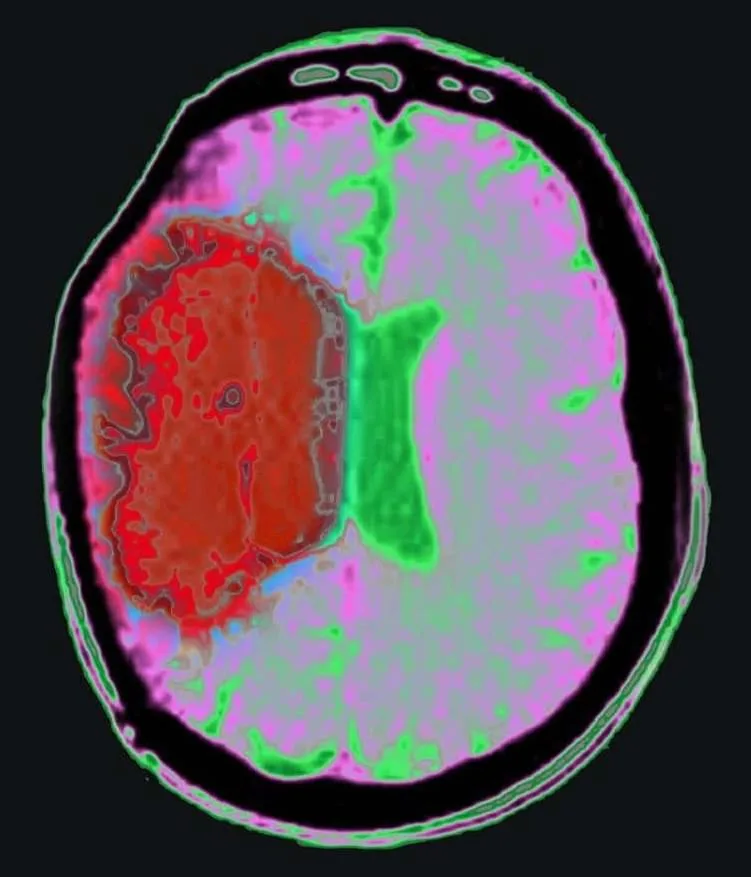
A team of scientists from the University of California, Irvine has discovered a surprising new clue about how some brain hemorrhages may begin. For many years, doctors believed that bleeding inside the brain was mainly caused by weak, damaged, or broken blood vessels. The new study suggests that this is not always the full story. […] The post Study Find a Real Trigger Behind Some Strokes in Older…
Scientists have discovered that a common type of stroke may have a very different cause than doctors once thought. Instead of fatty plaque clogging arteries, the strongest link was found with enlarged and damaged blood vessels deep within the brain. The finding helps explain why standard treatments like aspirin are often less effective and is driving the search for new therapies that target the b…
ObjectiveEndovascular thrombectomy (EVT) is the standard treatment for acute ischemic stroke caused by large-vessel occlusion (AIS-LVO), but incomplete microvascular reperfusion often limits recovery. The 2026 American Heart Association/American Stroke Association guideline suggests that adjunctive intra-arterial thrombolysis (IAT) may be considered after successful EVT to target residual microth…
Scientific Reports, Published online: 28 June 2026; doi:10.1038/s41598-026-60099-4 Effects of concurrent transcranial direct current stimulation and robotic lower-limb training on motor recovery after stroke: a randomized sham-controlled trial

By tamping down metabolism, a new experimental treatment that induces a hypothermia-like state may slow stroke-associated brain injury, scientists report.
A stroke is one of the world’s leading causes of death and long-term disability. Every year, millions of people experience a stroke, and many survivors are left with problems that can last for the rest of their lives. Some people have trouble speaking clearly, while others lose movement in an arm or leg. Many also […] The post Can Doctors Put the Brain into a Safe ‘Hibernation’ After a Stroke? ap…

Our bodies work hard to keep everything in balance. Body temperature, fluid levels, and many chemical processes are carefully controlled so our organs can function properly. When body temperature falls too low, this balance is disrupted. If a person’s core body temperature drops below 35°C (95°F) for a long period of time, a dangerous condition […] The post Common Drugs May Cool the Body and Prot…

Putting brain cells into a hibernation-like state via drugs that cool down core body temperature may help to preserve them following a stroke
BackgroundIschemic stroke is a common and severe cerebrovascular disease with high mortality and disability. Accumulating evidence indicates that β-caryophyllene (BCP) exerts neuroprotective effects against cerebral ischemic injury; however, the precise underlying mechanisms remain largely unexplored.MethodsFocal cerebral ischemia/reperfusion (I/R) mouse models were established in vivo and oxygen…
BackgroundDespite the success of endovascular thrombectomy (EVT) in restoring large-vessel patency in acute ischemic stroke (AIS), a substantial proportion of patients fail to achieve functional independence, largely due to ischemia-reperfusion injury (IRI) at the tissue level. Pharmacological neuroprotection has re-emerged as a potential strategy to mitigate these downstream injury cascades in t…
Introduction: The inflammatory response to cerebral ischemia plays a crucial role in stroke outcome. This study focuses on the neuroprotective effects of tryptanthrin , a plant alkaloid with anti-inflammatory activity, in the rat model of focal cerebral ischemia (FCI). Materials and Methods: The neurological status of animals was assessed at 4, 24, and 48 hours after FCI (1-hour occlusion of the …
Recovering from a stroke can be a long and difficult journey. Many survivors face months or even years of rehabilitation as they work to regain movement, balance, and independence. One of the biggest challenges is weakness or paralysis affecting one side of the body, a problem that occurs when stroke damages parts of the brain […] The post How Acupuncture Could Help Stroke Patients Move Again app…
A mini-stroke, known medically as a transient ischemic attack (TIA), is often a serious warning sign that should never be ignored. Although the symptoms may disappear within a few minutes or a few hours, a mini-stroke can be a sign that a much more dangerous stroke could happen in the near future. Many people feel […] The post The ‘Mini-Stroke’ Warning Many People Miss Before a Major Stroke Strik…
ObjectiveTo evaluate the efficacy and safety of anisodine hydrobromide injection in patients with acute ischemic stroke in a real-world clinical setting.DesignMulticenter, real-world observational cohort study conducted from April 2018 to December 2021 with 90-day follow-up. Multivariable logistic regression and inverse probability of treatment weighting (IPTW) were applied.ParticipantsA total of…
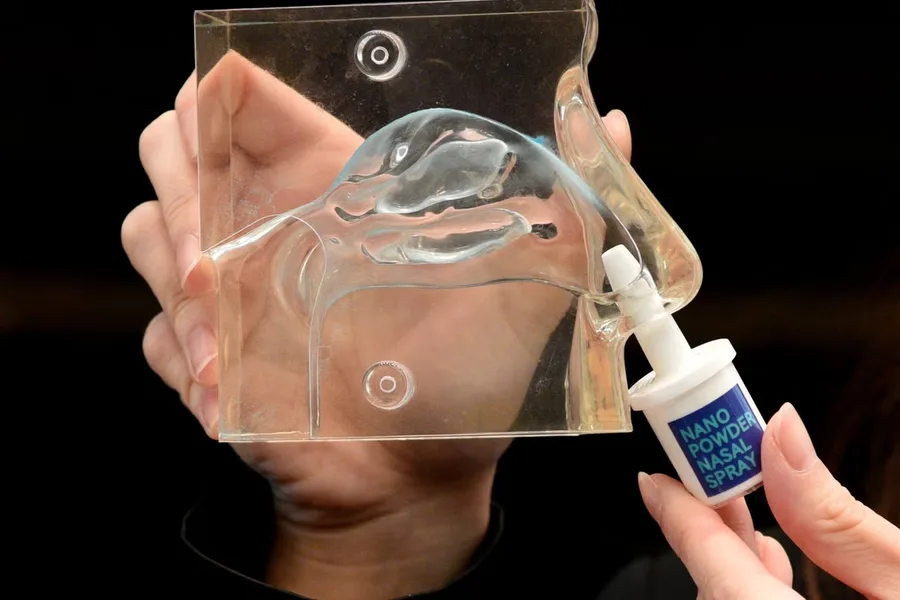
Researchers in Hong Kong have developed an experimental nasal spray that may one day help protect the brain during a stroke before a patient even reaches the hospital. The new technology could represent a major breakthrough in emergency stroke treatment by delivering medicine directly into the brain within minutes. The invention was created by scientists […] The post New ‘nano powder’ nasal spray…

Researchers say spray could be ‘breakthrough solution’ for prehospital emergency treatment
For decades, many doctors believed that blocked arteries caused by fatty buildup were the main reason behind most strokes. This idea shaped the way stroke prevention has been treated around the world. Medicines such as aspirin became standard because they help stop blood clots from forming in narrowed blood vessels. But now, scientists say one […] The post Artery widening, not blockages, may be a…

research.ioSign up to keep scrolling
Create your feed subscriptions, save articles, keep scrolling.