Nighttime light exposure was linked to thicker, stiffer heart chambers and early signs of reduced heart function in a study of more than 11,000 people. The findings suggest that keeping bedrooms darker could be an overlooked strategy for protecting the heart.
A major Ontario study found 24 common medication chains in which one drug’s side effects can be mistaken for a new medical problem, leading to another prescription. Researchers say closer medication reviews, pharmacist involvement, and automated alerts could help prevent these potentially harmful prescribing cascades.
Scientists have created an ultra-small nanolaser that could eventually allow microchips to transmit information with light instead of electricity, potentially making computers faster while cutting energy use roughly in half. Thousands of the lasers could fit on a single chip, opening possibilities for more efficient data centers, smartphones, and advanced medical sensors.
Researchers have found a way to perform certain quantum operations more than 1,000 times faster, cutting thousands of repeated control cycles down to just one. The advance could reduce errors and bring reliable, fault-tolerant quantum computers closer to reality.
Britain’s wasps have become mysteriously scarce this summer, and scientists suspect an unusual combination of temperature swings, heatwaves, and food shortages may be responsible. Even the wasps that remain appear unusually small, potentially offering a glimpse of how extreme heat could reshape insect populations.
Researchers analyzing data from more than 1.9 million people found that ADHD is associated with substantially higher rates of digestive problems. People with ADHD had nearly double the odds of constipation, 58% higher odds of irritable bowel syndrome, and more than four times the odds of encopresis.
Unconventional quantum theories may imply that time itself has a tiny fundamental uncertainty, placing an ultimate limit on how precisely any clock could measure it. The effect is far beyond current detection, but it could reveal a hidden connection between quantum mechanics, gravity, and spacetime.
A remarkably detailed study of Maria Branyas, who lived past 117, reveals that extreme longevity may involve both intense aging and powerful biological protection at the same time. Researchers found signs of advanced aging, but also low inflammation, beneficial gut bacteria, protective genetic features, and a biological age younger than her chronological age. Because she avoided major disease, th…
Researchers have shown for the first time that human heart muscle cells can regrow after a heart attack. The finding overturns the idea that damaged areas of the heart are completely incapable of regeneration. Scientists now hope to identify ways to dramatically boost this natural repair process, potentially opening a new path toward treatments for heart failure.
Eating only between noon and 8 p.m. improved blood sugar control in a small study of adults with Type 1 diabetes and obesity, while avoiding an increase in serious complications. The promising findings offer the first evidence that time restricted eating could become another tool for managing the condition.
Scientists have discovered that the Moon-forming collision may have depended heavily on how hot and physically strong early Earth and Theia were. New simulations found that some impacts create the familiar disk of debris that later becomes the Moon, while others can produce an intact Moon in only about five hours. The results challenge the long-standing assumption that the enormous collision coul…
UCLA researchers developed ready-made cancer-fighting T cells from cord blood stem cells that can attack solid tumors through two separate detection systems. In mice, a single dose controlled cancer and extended survival while avoiding a dangerous complication associated with donor-derived T-cell therapies.
Scientists have directly observed how two negatively charged DNA molecules can pair up despite normally repelling each other. Positively charged metal ions appear to bridge the gap, helping matching DNA helices align groove for groove like a molecular zipper. The discovery confirms a theory proposed two decades ago and could help researchers understand DNA interactions involved in cancer and othe…
Scientists have used DNA from living descendants to identify four more members of the doomed Franklin expedition, including Harry Peglar, whose identity had remained uncertain for 166 years. The findings offer new clues about the sailors who survived for years in the Arctic before joining the expedition’s ultimately fatal escape attempt.
Researchers have created a foam-based material that produces intense whiteness and water repellency without titanium dioxide pigments or PFAS chemicals. Inspired by natural structures in snow, clouds, flowers, and lotus leaves, the material uses tiny pores to scatter light while its rough surface repels water. The technology could offer a more sustainable way to make white, water-resistant everyd…
While clearing debris to protect ancient Egyptian tombs from flash floods, researchers near Luxor stumbled upon an unknown 3,000-year-old tomb. Its remarkably preserved paintings depict an official named Paser, his wife, religious scenes, and offerings of food and flowers. The discovery comes as climate-driven flooding poses a growing threat to these fragile remains.
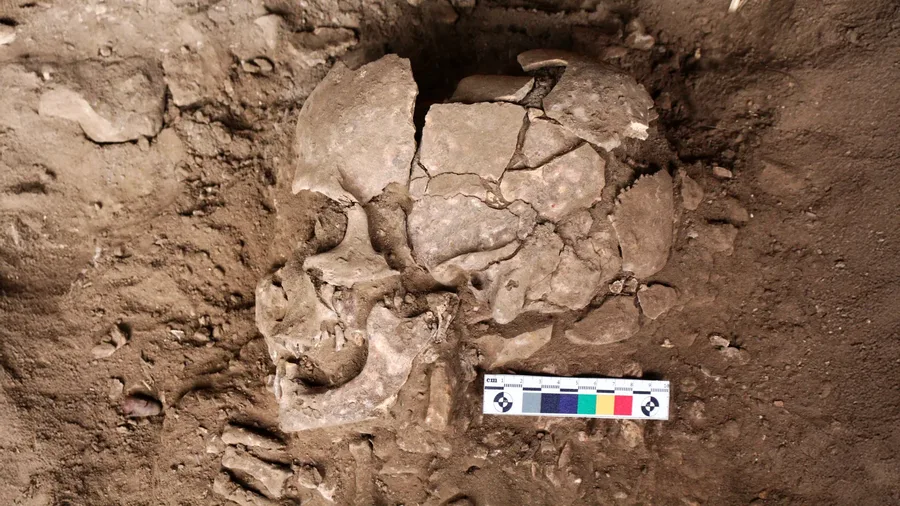
Ancient human remains from Sulawesi suggest people were habitually using the psychoactive betel nut as far back as 25,000 years ago. Researchers found both unusual tooth wear and traces of arecoline, the nut’s mind-altering compound, in the teeth of prehistoric hunter-gatherers. The practice may have started partly as pain relief for toothaches, but prolonged use severely damaged their teeth. The…
The Mediterranean may seem far removed from the world’s major tsunami zones, but history and modern modeling show that destructive waves can strike the French Riviera with surprisingly little warning. Some tsunamis could reach shore in under 10 minutes, while past events have produced waves around two meters high, powerful currents, damage, and deaths.
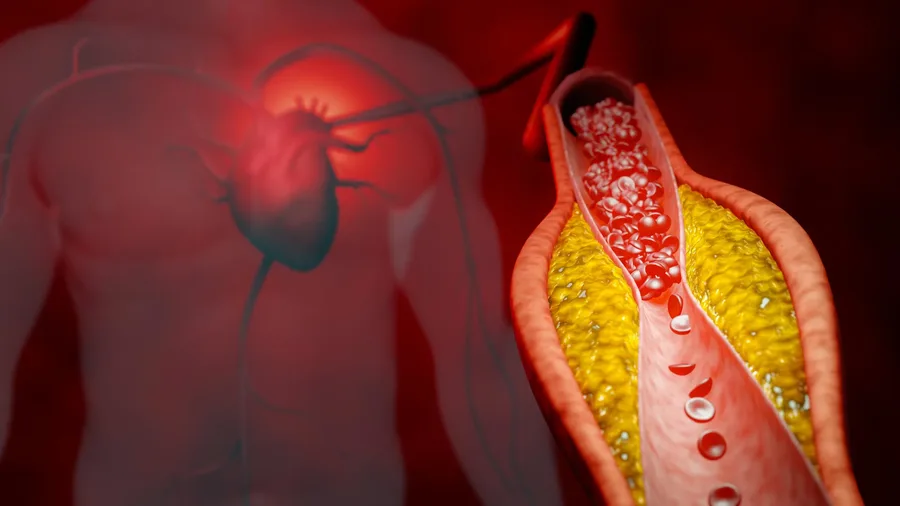
Researchers have designed a new DNA-based treatment that targets PCSK9, a protein closely tied to high LDL cholesterol and atherosclerosis. Their most effective molecule reduced PCSK9 protein by 87% in human liver cells and lowered cholesterol by 47% in genetically modified mice after a single injection.
People who drank at least one sugar-sweetened beverage a day had roughly 2.45 times the risk of gastric cancer compared with those who rarely consumed them, according to a decades-long study of more than 112,000 U.S. adults. Artificially sweetened drinks showed no similar association, though researchers stress that the findings do not prove sugary beverages cause cancer.




 research.io