Phillyrin is a critical bioactive constituent of Forsythiae Fructus, exhibiting multiple pharmacological properties, but suffers from poor membrane permeability and low oral bioavailability. In this study, we developed a novel, green method employing whole-cell biocatalysts and natural deep eutectic solvents (NADESs) for the cinnamoylation of phillyrin to improve its liposolubility and bioactivit…
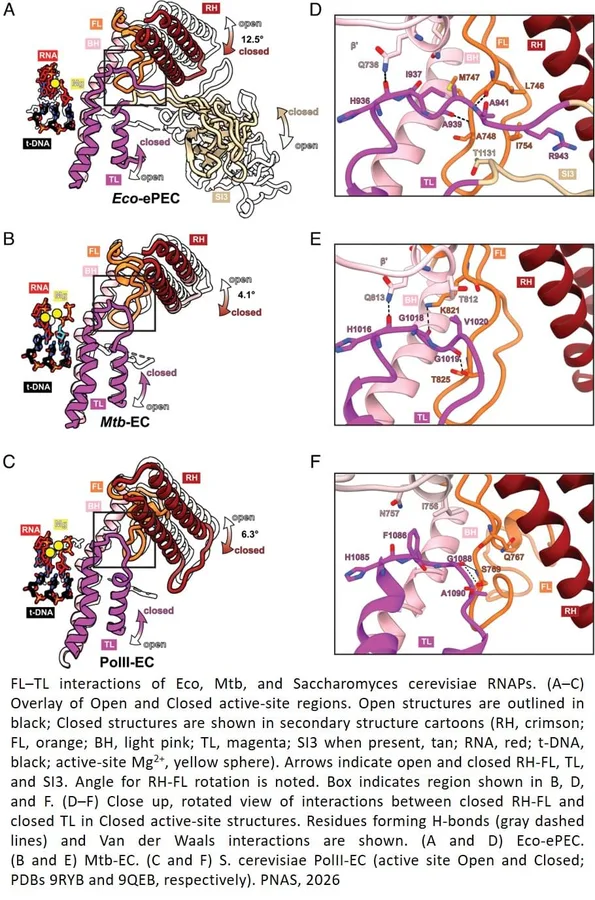
Scientists have long been fascinated by two promising classes of antibiotics that disable RNA polymerase (RNAP). They knew that these drugs could grind gene expression to a halt in several pathogens, including the bacterium behind tuberculosis, by binding to specific locations in the RNAP. But despite decades of study, a key question remained: what process […]
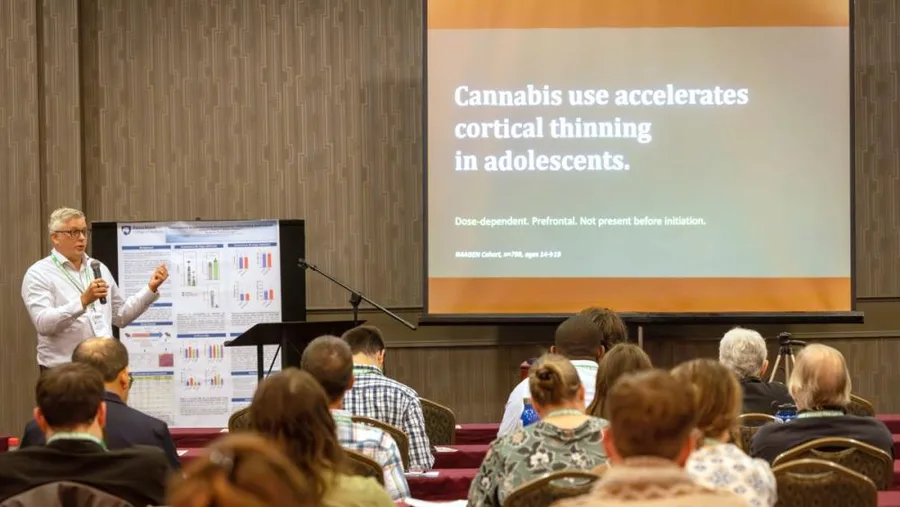
Researchers, clinicians, students and industry professionals from across the country and around the world came to Hershey this summer for the 14th annual conference of the American Council for Medicinally Active Plants, hosted by Penn State College of Medicine.
Merin Thyagu Pereira·...·University of Westminster
3d ago
Scientists have shown that plastic bottles could be converted into levodopa, an important Parkinson’s drug, with implications for both medicine and the environment.
While the COVID-19 pandemic raged on, the opioid epidemic got worse as drug overdose deaths soared. New research proposes a way to chemically modify opioids to reduce the risk of addiction.
Nature, Published online: 19 August 2026; doi:10.1038/s41586-026-10892-y AP-7-168, an optimized derivative of a β-arrestin-biased negative allosteric modulator of the β2-adrenergic receptor (β2AR), functions as a molecular glue to stabilize β2AR homodimerization.
The human genome encodes approximately 20,000 proteins, of which about 85% lack well-defined druggable binding pockets, leaving most of the disease-relevant proteins “undruggable”. Small-molecule chemical probes are essential for modulating protein function and serve as leads for therapeutic development. However, the majority of the human proteome is inaccessible to conventional drug-like molecul…
Ischemia-reperfusion injury is a leading cause of acute kidney injury (AKI), which is characterized by high morbidity and mortality, as well as a substantial risk of progression to chronic kidney disease (CKD). Although supportive care has improved considerably, effective disease-modifying therapies are still lacking. Therefore, the development of new therapeutic drugs for ischemic AKI is crucial…
Organic & Medicinal Chemistry- Juniper Publishers Abstract The virus was obtained from faba bean plants that were naturally infected. The studied virus was identified as Bean yellow mosaic virus (BYMV) according to symptomology, host range, virus stability, modes of transmission, ELISA, and RT-PCR. ELISA test confirmed the presence of BYMV in all the collected leaf samples at different times afte…
Gold(I) complexes have traditionally been limited to linear two-coordinate geometries (L-Au-L), exemplified by the clinically approved gold drug, auranofin. Although ligand engineering offers opportunities to expand the coordination environment of Au(I), the therapeutic potential of three-coordinate gold(I) complexes remains largely unexplored. This dissertation tests the hypothesis that rational…
Nitrogen-containing heterocyclic compounds represent fundamental structural elements in contemporary medicinal chemistry. Pyrrolodiazepines, which result from the fusion of pyrrole and diazepine rings, integrate the beneficial properties of both parent structures and have emerged as a significant area of research in synthetic chemistry and pharmaceutical development in recent years. This review p…
Rhodiola species are renowned medicinal plants with centuries of traditional use and broad pharmacological effects. In recent years, market and economic factors have fueled widespread adulteration in the global Rhodiola product market. More critically, much potential adulteration may remain undetected, since authenticating the species of raw materials in processed products is particularly challen…
Diabetes is a chronic metabolic disease with high morbidity and mortality due to its complications. Recently, there has been growing interest in identifying new bioactive compounds, including marinederived secondary metabolites, for potential antidiabetic activities. This study focuses on secondary metabolites from marine sponges from the genus Dysidea that show strong inhibition of protein tyros…
New research at Aston University has shown that a variety of compounds is responsible for the antimicrobial action of mānuka honey, not just the sugar content and methylglyoxal (MGO) alone, as previously thought.



 research.io