Some unexplained cases of severe tick-related illness may have a previously overlooked cause. A newly identified tick-borne virus may help explain why some patients in China develop symptoms resembling a dangerous hemorrhagic fever even though tests for the expected virus come back negative. Researchers identified the virus as Asian longhorned tick nairovirus, or ALTNV. Among [...]
IntroductionHigh-salt diet (HSD) has been shown to influence cognition and emotional behavior in mice via gut microbiota modulation, yet its chronic effects in Alzheimer’s disease (AD) pathology remain poorly understood. This study aimed to investigate whether long-term HSD exacerbates cognitive and emotional deficits in APP/PS1 transgenic mice and to explore the underlying gut–brain axis mechani…
Dengue virus is one of the most widespread vector-borne viral pathogens in the world. Nearly 400 million dengue virus infections occur each year, resulting in approximately 20,000 deaths.
npj Vaccines, Published online: 10 September 2026; doi:10.1038/s41541-026-01578-7 Nucleotide deletions in dengue virus 3’ untranslated region compromises protein translation of live attenuated dengue vaccine strains
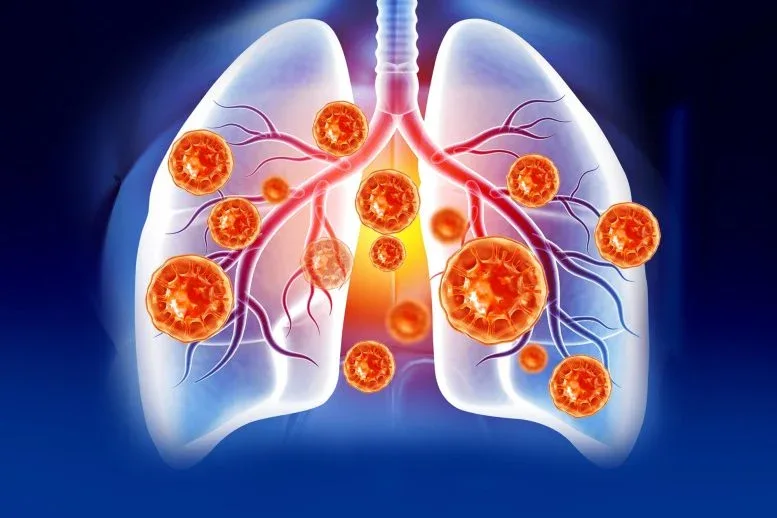
New findings raise questions about the role of microbes living in the lungs. More than 35 trillion bacteria live throughout the human body, forming microbiomes in the gut, mouth, lungs, skin, and urogenital tract. Researchers increasingly recognize that these microbial communities are connected to both health and disease, but much about what individual microbes do [...]
"n this episode of The Biollywood Podcast, the Director of the Bipartisan Commission on Biodefense at the Atlantic Council, Asha M. George, Associate Director for Research, J.T. O'Brien, Associate Director for Government Relations and Policy, Robert Bradley, and Wendy Villalta, Assistant Director for Operations, discuss the 2022 foreign language film "Virus 32" and its implications for disease ou…
Antimicrobial resistance in multidrug-resistant Escherichia coli has severely compromised the efficacy of conventional antibiotics, particularly in hospital-acquired infections. Bacteriophage therapy offers a targeted approach, yet the rapid emergence of phage-resistant mutants during monotherapy limits its durability. However, phage cocktail therapy can overcome this issue. In this study, we iso…
The pathogen Clostridioides difficile (C. diff) - a leading cause of hospital-acquired infections - must contend with a variety of threats inside the harsh environment of the gut to survive and grow.
Abstract Background Obesity is associated with altered immune function and may therefore influence the response to influenza vaccination. So, the objective was to investigate whether body mass index (BMI) affected influenza-specific antibody titers and immune cell counts after vaccination. Methods A subgroup of 25 participants from the MEGA cohort, a prospective observational study in Augsburg, G…
[Virginia Tech (EurekAlert)] Dr. James Weger-Lucarelli at the Virginia-Maryland College of Veterinary Medicine, received a five-year, $2.01 million award from the National Institute of General Medical Sciences to investigate how virus-infected cells live and die, and what they signal to their neighbors when they do.
[Cell Proliferation] Investigators leveraged their isogenic haploid, diploid and triploid hESC lines to study the effect of ploidy on the response to four different anticancer drugs. They showed that triploid cells are more sensitive to chemotherapy-induced apoptosis and cell cycle arrest than diploid and haploid cells.
Muhammad Mubashar Beig is a veterinarian-microbiologist and PhD researcher at UVAS, Pakistan, specializing in pathogen genomics, arbovirus surveillance, antimicrobial resistance, and One Health. His research integrates qRT-PCR, next-generation sequencing, bioinformatics, […]




 research.io