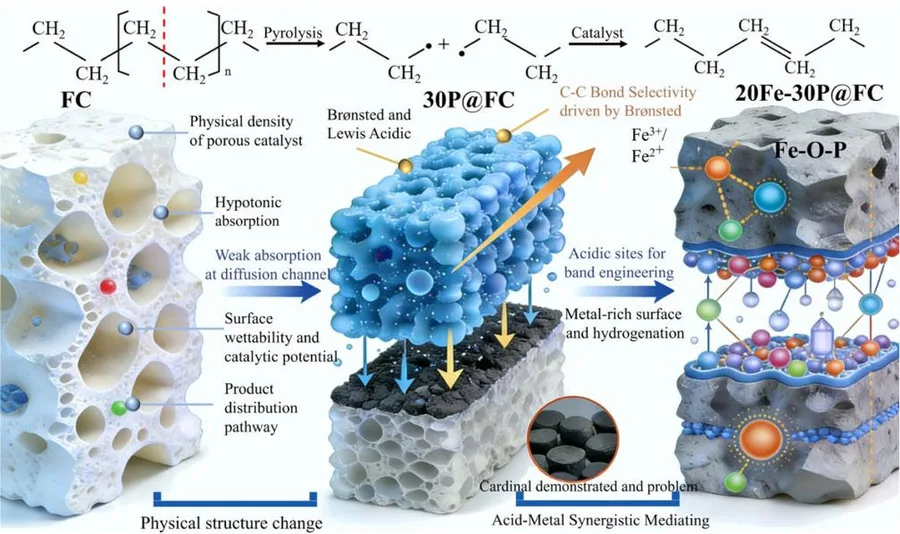
A research team developed an acid-metal bifunctional catalyst made from discarded fish bones that efficiently converted waste agricultural film into olefin-rich bio-oil through microwave-assisted pyrolysis. Under optimized conditions, the catalyst produced a bio-oil yield of 89.32 wt.%, with olefins accounting for 84.03% of the oil and C6-C12 compounds dominating the hydrocarbon fraction. By simu…
Enapter AG (Hamburg, Germany) is implementing its previously announced realignment toward an asset-light business model, with the start of AEM electrolyzer stack production at new production partner Runqing Hydrogen Technology Co., Ltd. (Shenzhen, China), a member of the Runshihua Group, one of China’s leading cleantech companies. The first stacks for Enapter’s megawatt-range electrolysers have b…
ProClean DEGREEASER is a liquid, moderately alkaline, multifunctional detergent for general-purpose cleaning and degreasing in food and beverage plants. The post Eliminate grease and grime when maintaining or repairing equipment in food-and-beverage plants appeared first on Chemical Engineering .
In a recent study published in Analytica Chimica Acta , researchers used new methods for detecting diverse endocrine disrupting chemicals (EDCs) in drinking water to test multiple bottled water brands from Belgium. In short: In total, 17 EDCs were found in the 37 bottled waters tested, including chemicals used in plastic packaging, pharmaceutical drugs, and cosmetics. Water in plastic bottles con…
People who want to avoid certain chemicals often spend extra time reading labels on cosmetics, baby products and household cleaners. New research suggests that even careful shoppers may not always be able to tell what chemicals are actually present in the products they buy. Scientists tested 113 everyday products and found unlisted chemicals in 98% […] The post Your Shampoo Label May Not Tell the…
Ammonia is one of the most important chemicals produced in the world, ranking second only to sulfuric acid in the total volume produced each year. It is used mostly to make fertilizer, which is essential to feeding the world’s population. Yet its production accounts for up to 2 percent of the world’s energy consumption and […]
IntroductionDevelopment of a mild and sustainable protocol for the carbon-carbon bond formation via Knoevenagel condensation is essentially desirable because the products, aryledene derivatives, are useful intermediates and are widely used in the manufacture of fine chemicals, pharmaceutically active molecules, calcium channel blockers, natural products, as well as in the production of flavours a…
Environmental DNA contained in a small sample of water, sand or even air can reveal the presence of people, wildlife and pathogens, helping researchers track where they’ve migrated.
Merin Thyagu Pereira·...·University of Westminster
3d ago
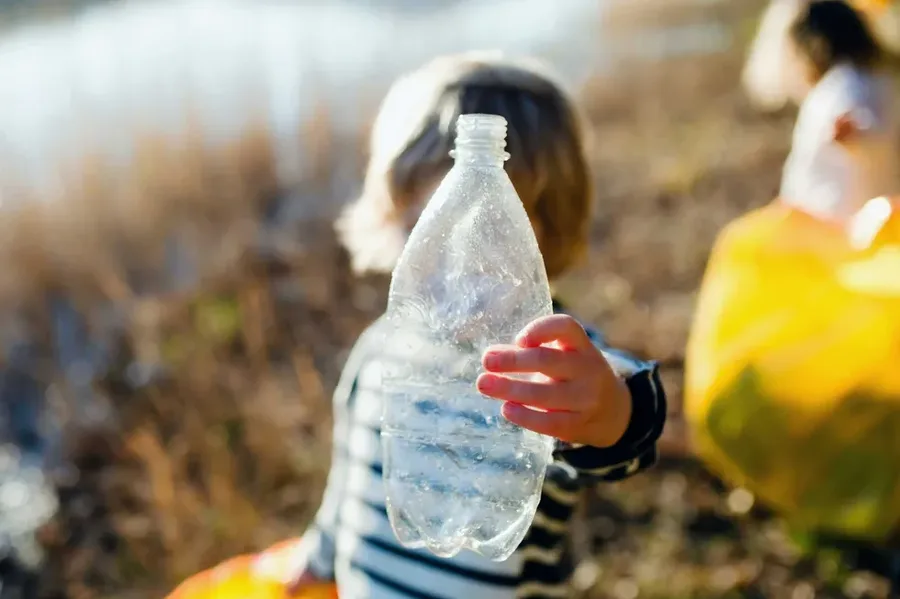
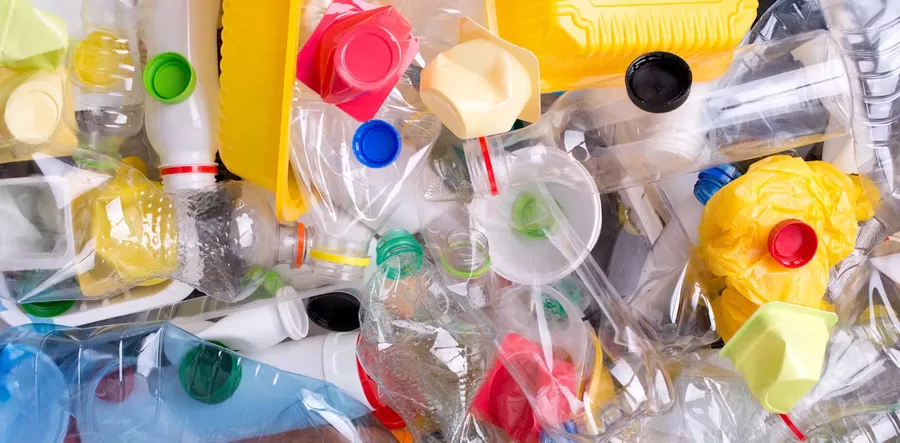
Scientists have shown that plastic bottles could be converted into levodopa, an important Parkinson’s drug, with implications for both medicine and the environment.





 research.io