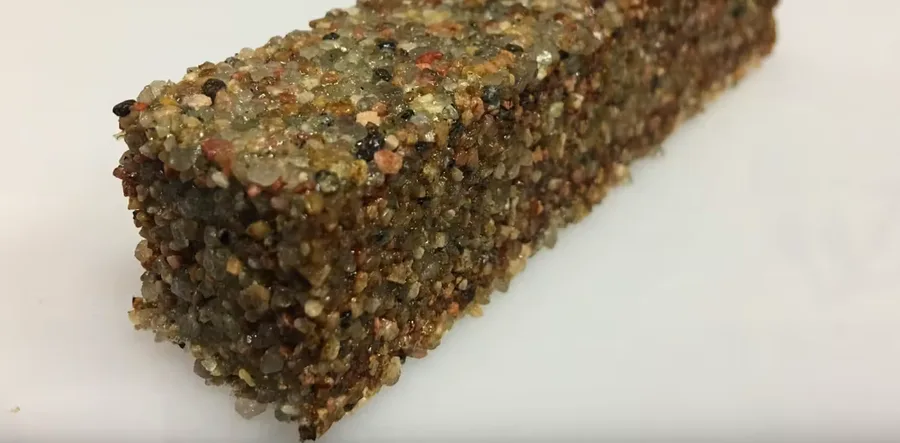
The walls of your house could someday be built with living bacteria. Synthetic biologists are engineering microbes into living materials that are cheap and sustainable.
Organisms that produce synthetic fuel and suck carbon out of the air are just some of the possibilities of ‘engineering biology’ – if policymakers can shepherd the industry towards success.
André O. Hudson·...·Rochester Institute of Technology
3d ago
Advances in genetic engineering have enabled researchers to seek ways to program new life. But has synthetic biology actually changed medicine and the environment, nearly two decades on?
Researchers are turning microbes into microscopic construction crews by altering their DNA to make them produce building materials. The work could lead to more sustainable buildings.
Synthetic cells that look just like natural cells but are chemically reversed could outcompete other living organisms − with dire consequences for human health and the environment.
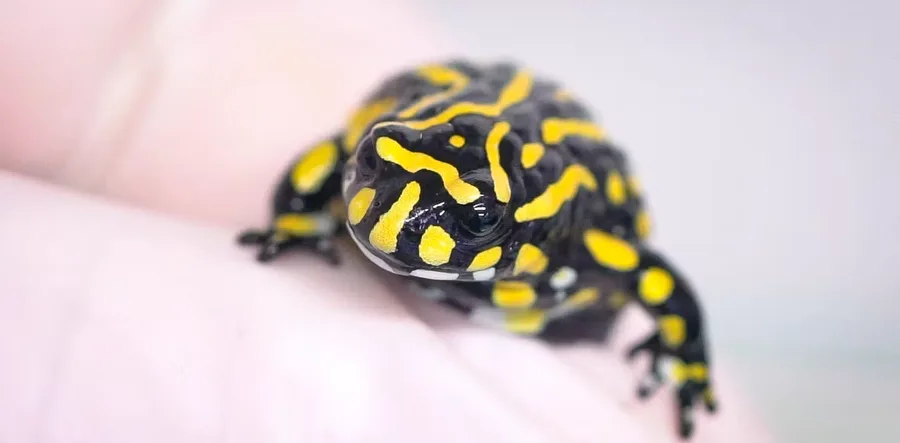
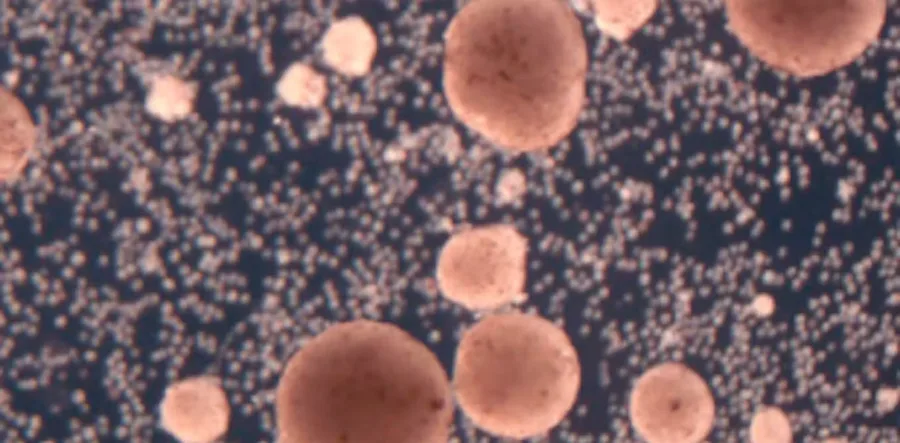
Scientists have created tiny self-replicating organisms made from frog stem cells. So is this as much of a Pandora’s Box as it sounds? Not yet, but we should carefully weigh the risks and rewards.
Merin Thyagu Pereira·...·University of Westminster
3d ago
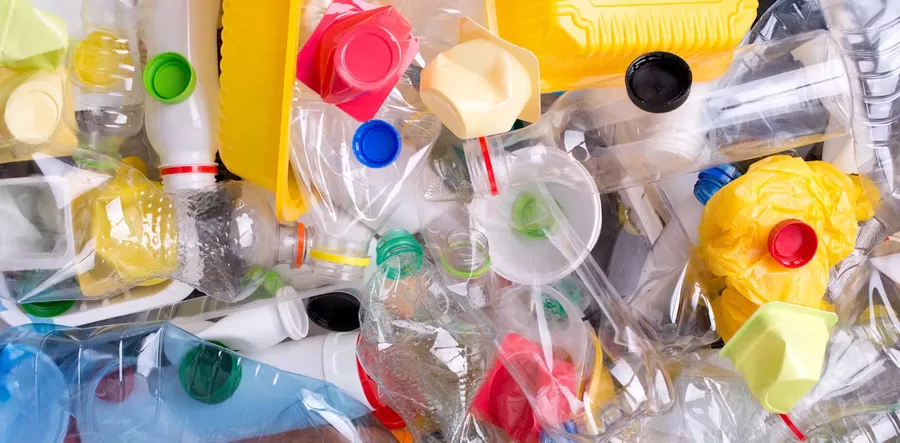
Scientists have shown that plastic bottles could be converted into levodopa, an important Parkinson’s drug, with implications for both medicine and the environment.
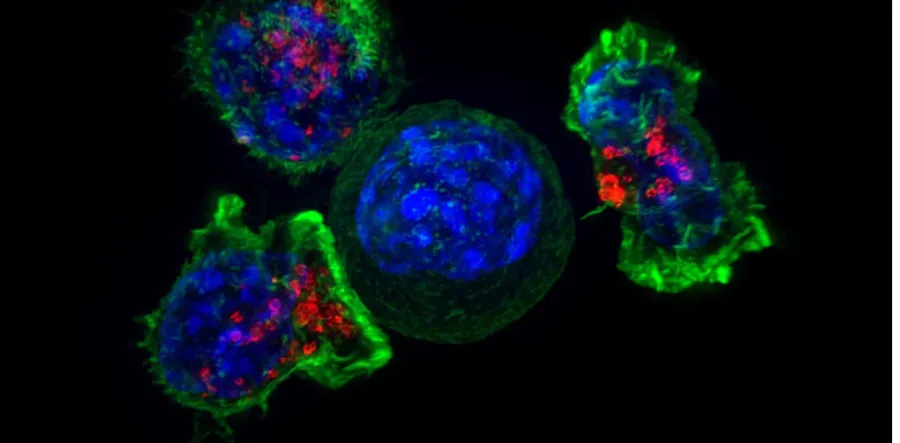
Immunotherapy has the potential to eliminate tumors, but works best for select patients. Engineering T cells to bypass cancer’s defenses could help expand treatment eligibility to more patients.
Vikramaditya G. Yadav·...·University of British Columbia
3d ago
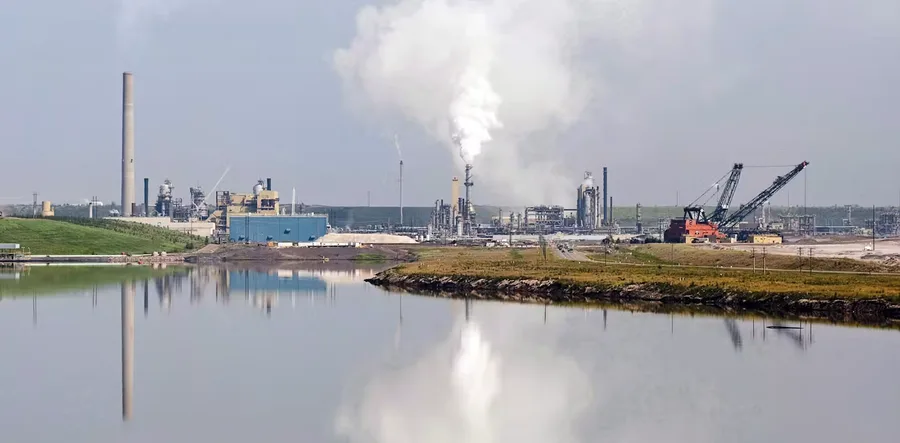
Solutions to some of the globe’s most daunting environmental challenges may be closer than you think. Scientists are harnessing nature to clean up toxic chemicals and mining waste.
As genetic engineering and DNA manipulation tools like CRISPR continue to advance, the distinction between what science ‘could’ and ‘should’ do becomes murkier.





 research.io