Philip Garnock-Jones·...·Te Herenga Waka — Victoria University of Wellington
3d ago
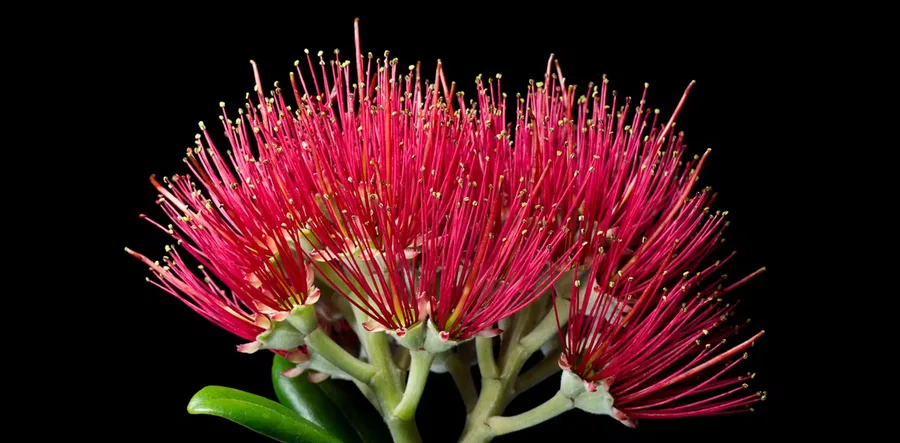
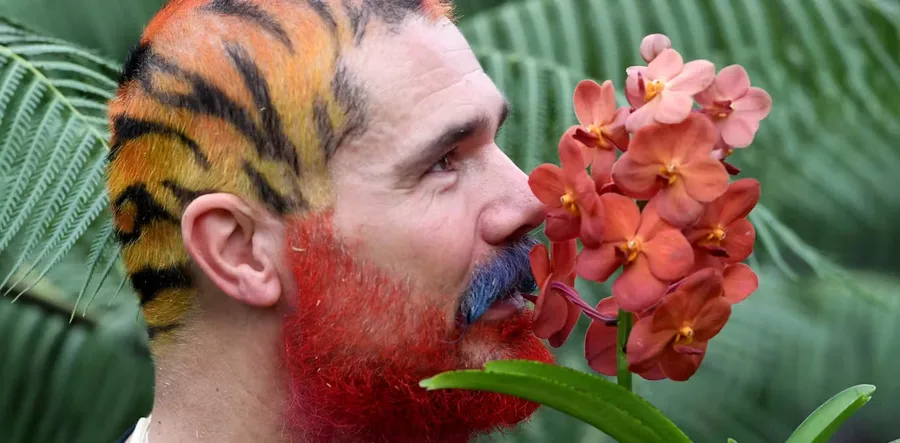
New Zealand has 2,200 native flowering plants and 85% of them grow nowhere else, including some spectacular displays that open just in time for the festive season.
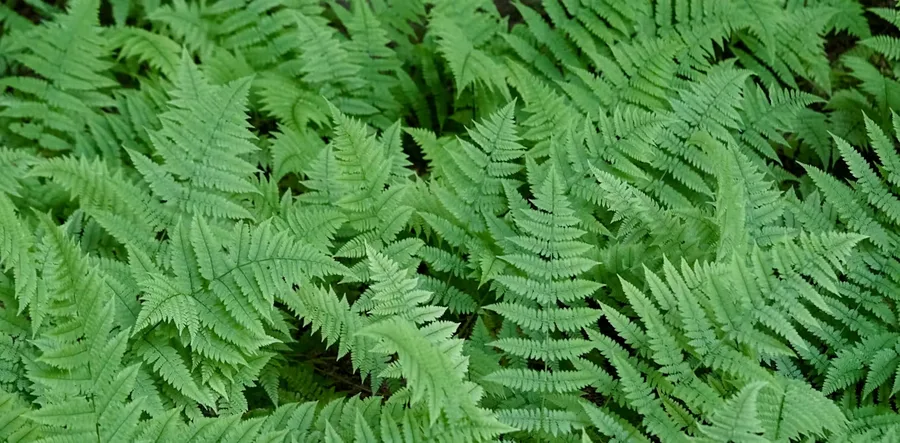
Is an organism a sum of its parts, or should they be considered as a whole? New research on ferns shows how the way scientists understand evolution affects how they study life.
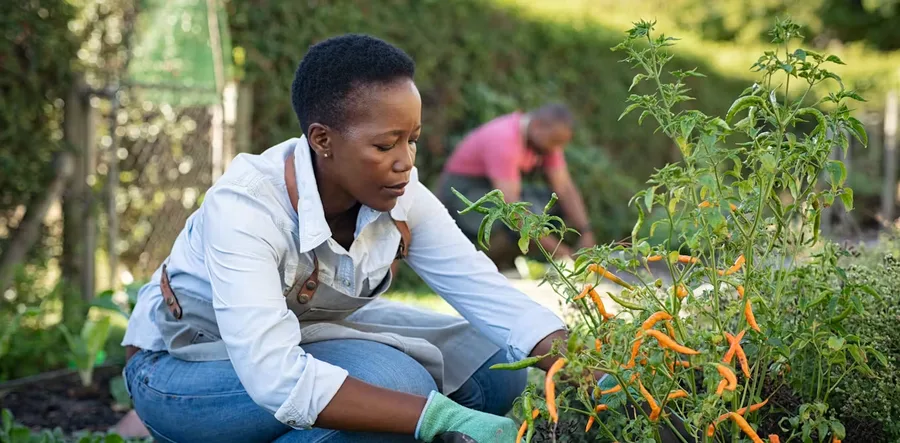
This episode explores how colonial history has affected what we plant and who gets to garden. We also discuss practical gardening tips with an eye to Indigenous knowledge.
As cost-of-living soars, wars rage and stock markets fluctuate, we could all use a respite. The natural world has been proven to have a healing effect.
Rsearch fellow Laura Cinti talks to The Conversation Weekly podcast about her quest to find a female version of the endangered E. woodii cycad using drones and AI.
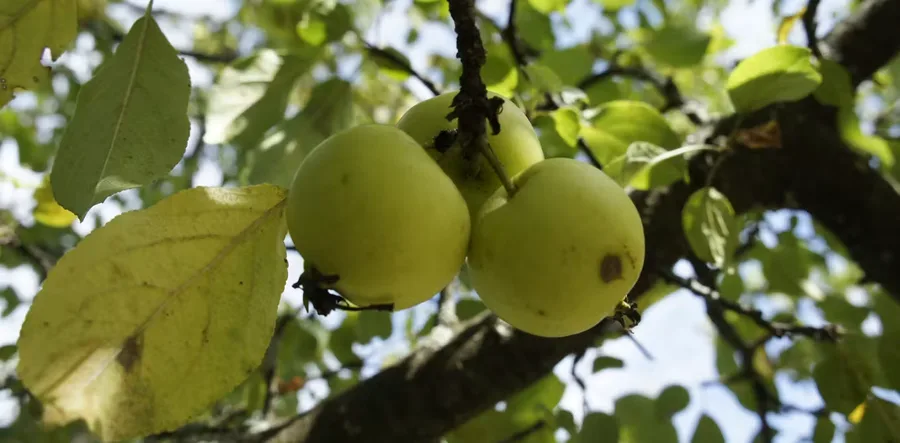
Faced with the collapse of biodiversity, there is an urgent need to protect the genetic diversity of species. But to preserve fruit trees, seed banks are not enough.
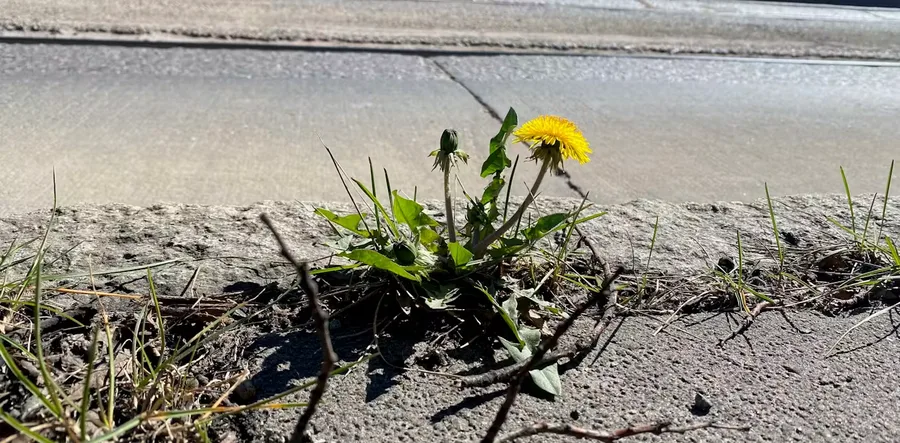
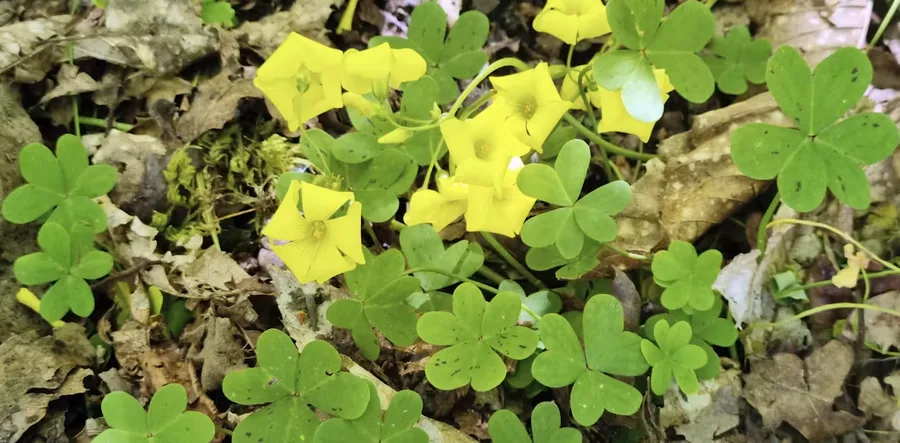
When it comes to a battle of persistence between a weed and a human, the weed will win most of the time. That is one of the things that makes a weed a weed.
Susanne S. Renner·...·Washington University in St. Louis
3d ago
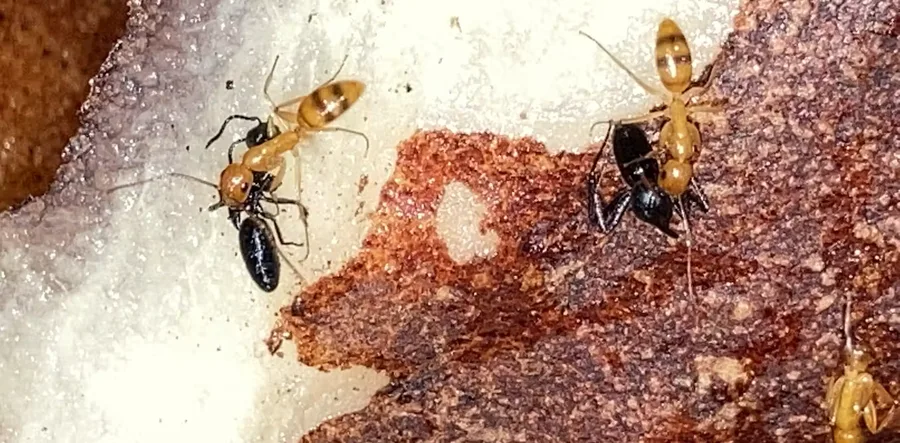
Squamellaria plants grow special structures to host the ants they symbiotically rely on for nutrients. Distinct compartments help different ant colonies live peacefully side by side.
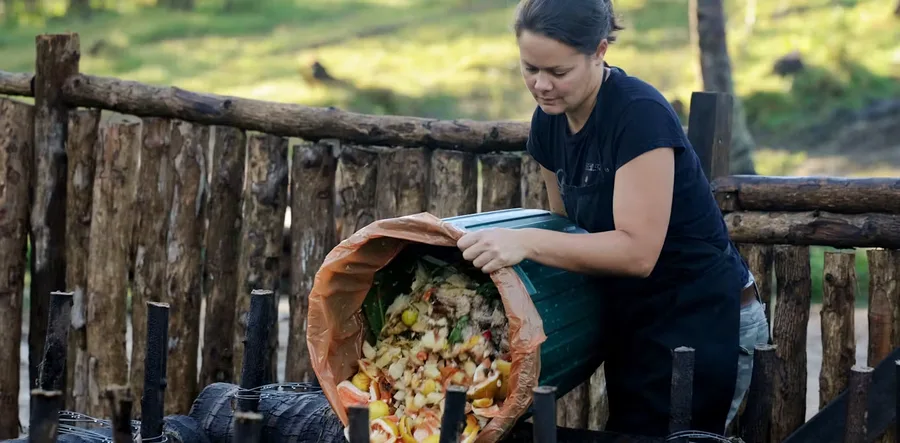
Is your compost a veritable Vesuvius of foul-smelling, putrescible plant waste? You might be doing everything wrong. Fear not; you can learn from your mistakes.
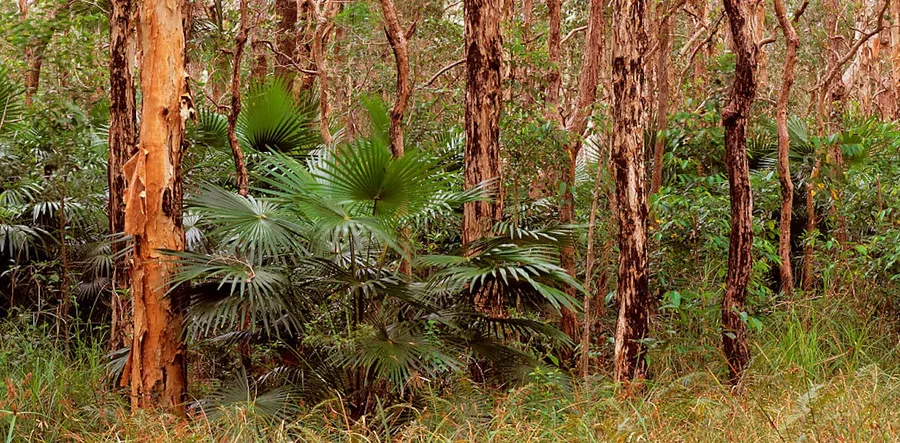
If you are keen to see your cabbage tree palm flower, be aware it may take 150-170 years. If you can wait that long, it usually happens between August and October.

 research.io