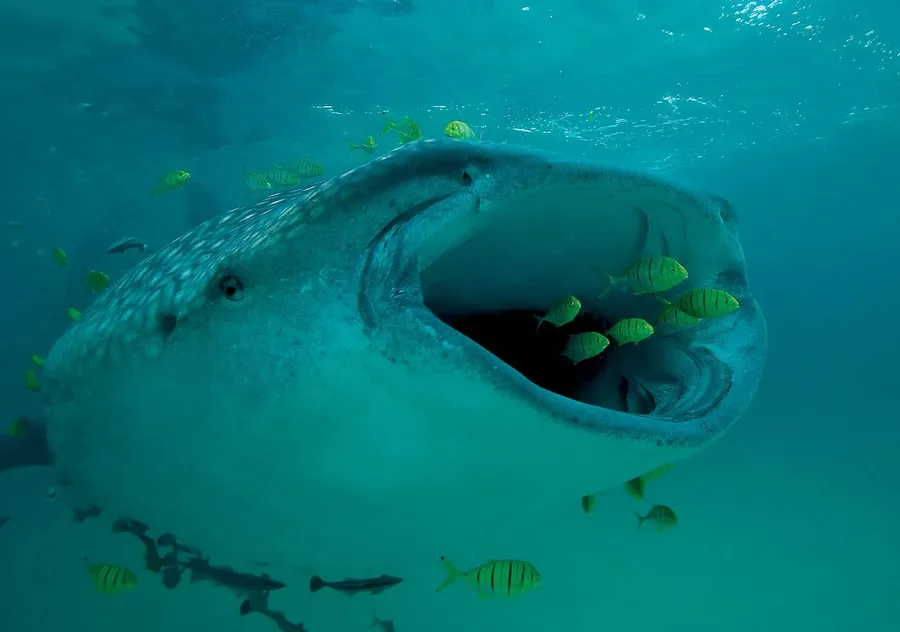
Whale sharks are the largest fish in the ocean, capable of growing longer than a school bus. But despite their enormous size and worldwide popularity, scientists have spent surprisingly little time seeing the ocean from a whale shark’s perspective. So researchers decided to change that. Scientists from the Australian Institute of Marine Science and Murdoch […]
Nature Communications, Published online: 12 September 2026; doi:10.1038/s41467-026-77687-7 How animals survive without food depends on more than stored fat and sugar. This study shows that the fruit fly hormone CG14075/Marmite helps redirect amino acid use during starvation, working with a key hormone, AKH, to sustain energy balance.
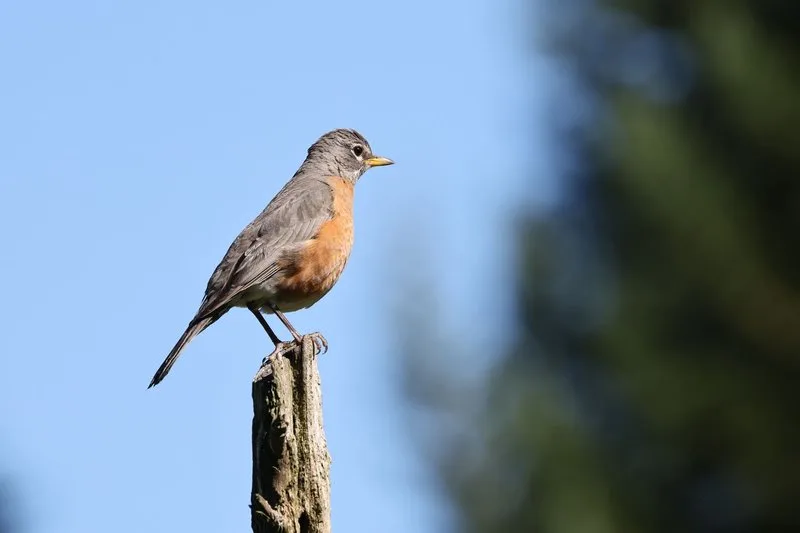
Please send in your wildlife photos as this is the last batch I have! Today we have bird photos from Jan Malik showing avian denizens in the “wilds” of New Jersey. Jan’s IDs and descriptions are indented, and you can enlarge the photos by clicking on them. Note the DUCKS at the beginning and in … Continue reading Readers’ wildlife photos
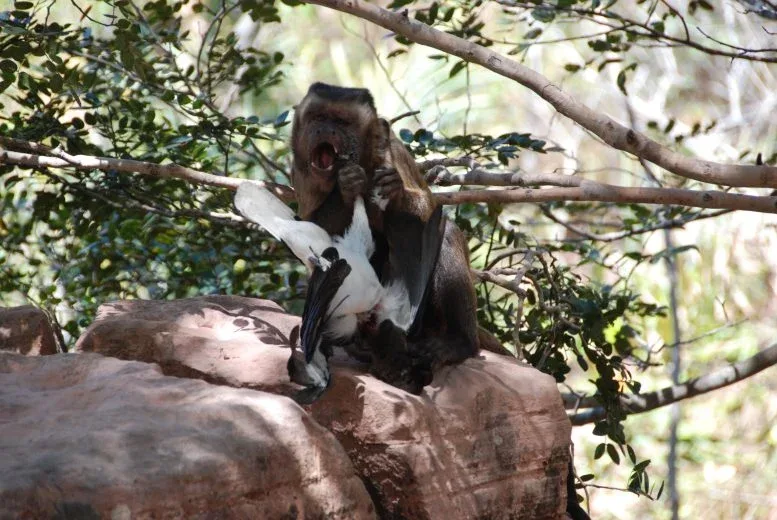
When fruit disappears, bearded capuchins switch from foraging to hunting, targeting everything from lizards and rodents to snakes, iguanas, and young birds. Bearded capuchin monkeys hunt more small vertebrates when fruit is scarce, according to a long-term field study in Brazil. The behavior may offer clues to how early human ancestors obtained nutrient-rich food during [...]
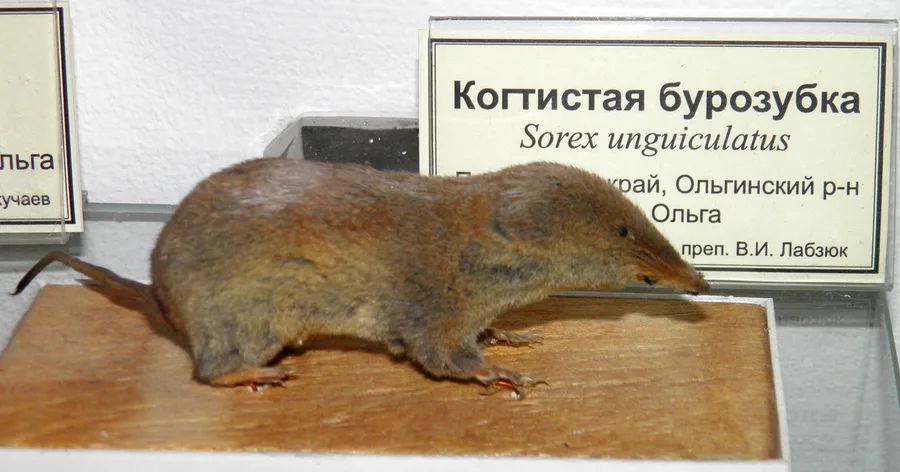
A museum series of Sorex unguiculatus from Tomakomai confirms Dehnel's winter braincase shrink in an Asian shrew, and adds a reverse pattern in the snout that the authors did not find in the jaw.
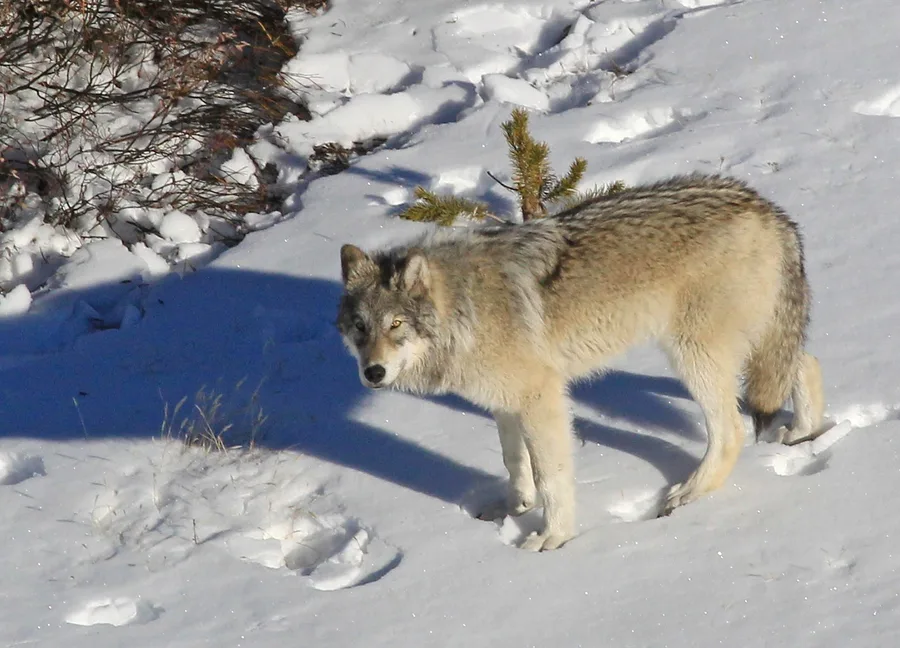
Three decades of wolf reintroduction in Yellowstone has created an ecosystem success story—and a management crisis about what happens when predators thrive too well.
Search “birds of Connecticut” and you’ll land on two kinds of pages: a 450-species checklist organized by taxonomic order, or a museum write-up that reads like a lecture. Neither one... The post “Birds of Connecticut: 30 Species to Know by Season” appeared first on 33Science .
No country on the planet has more bird species than Colombia. Not Brazil, which is nearly seven times larger. Not Peru, not Ecuador, not Indonesia. Colombia’s official count sits above... The post Birds of Colombia: Where to Actually Go See Them appeared first on 33Science .
A feather discovered inside 66-million-year-old fossilized dinosaur poop may help explain why modern birds survived the asteroid catastrophe. The extinct bird it came from had more primitive insulating feathers, suggesting superior plumage may have helped the ancestors of living birds endure the deadly impact winter.
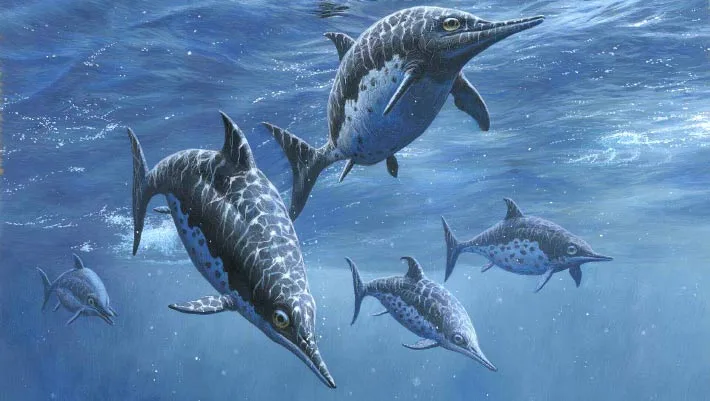
New research from the Natural History Museum at the University of Oslo suggests ichthyosaurs’ rib cages may have done a job modern whale ribs don’t: acting as ballast to help them dive. The post Ichthyosaurs Had Surprisingly Dense Ribs, New Study Finds appeared first on Sci.News: Breaking Science News .
Zebrafish (Danio rerio) are a widely used animal model to study a variety of neuropsychiatric disorders, including drug addiction. Existing paradigms to examine alcohol addiction use repeated daily or continuous ethanol exposures over multiple days. The present study evaluated a condensed repeated dosing paradigm, involving three 1-h ethanol doses (0.8%) per day over 5 days. To examine ethanol wi…
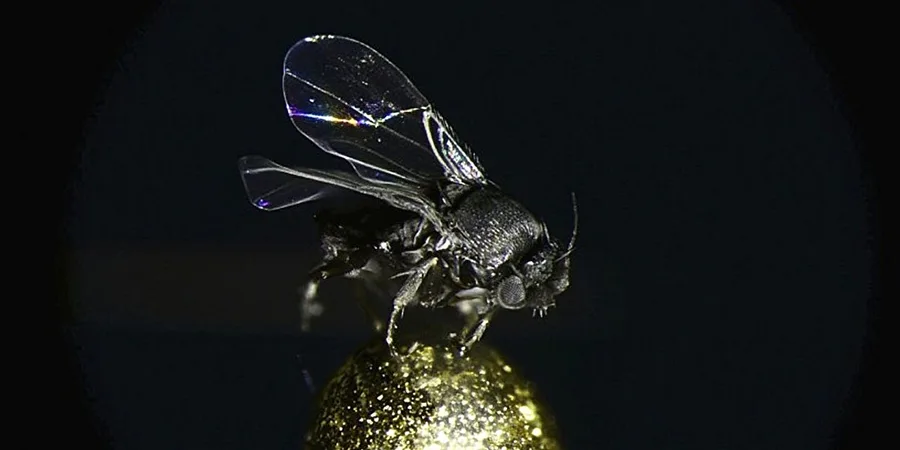
New animal species are often associated with remote rainforests or the deepest parts of the ocean. But scientists believe unknown creatures could also be living in the heart of New York City. An international project is searching for previously unidentified insects in Central Park in Manhattan and Prospect Park in Brooklyn. The team includes researchers […] The post Scientists Search New York Cit…
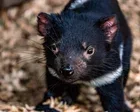
Researchers find fossils ranging from 7,000 years to 46,000 years old showing evidence that devils may have become reliant on humans for scavenging Tasmanian devils lived alongside humans in Western Australia’s Pilbara region for tens of thousands of years, according to fossils uncovered at Juukan Gorge. These squat and sable marsupials, now restricted to Tasmania, were once abundant right across…
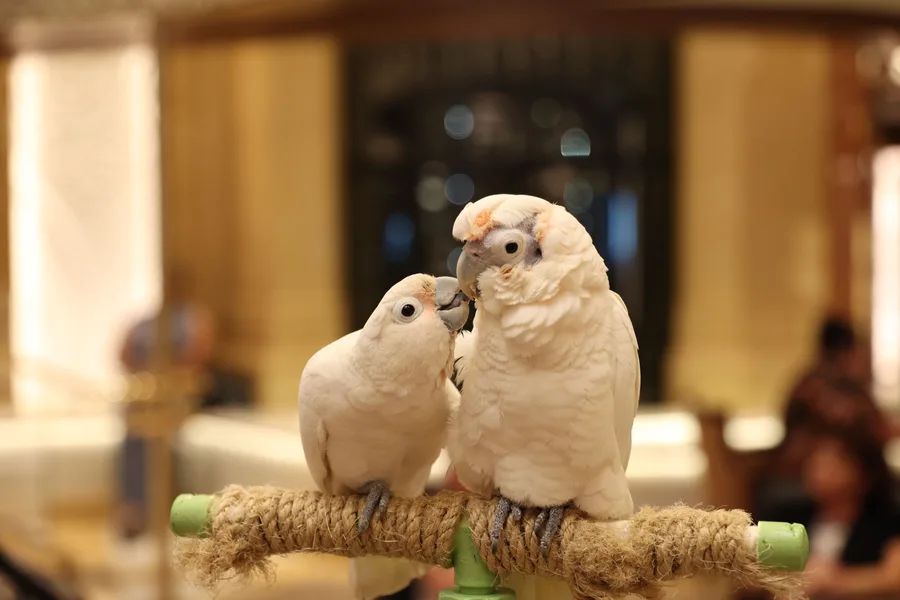
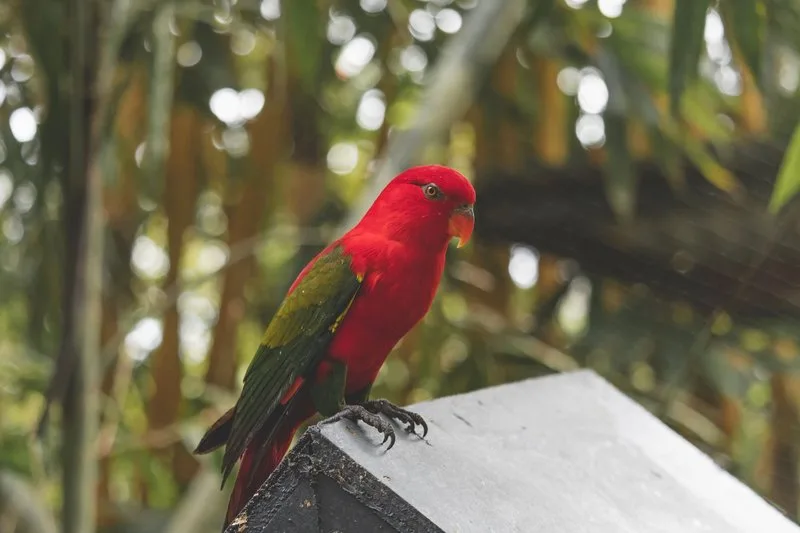
Fifteen of the 18 recruited parrots made 147 voluntary calls after training. The behavior was real, but preferred partners and newly learned skills require careful reading.
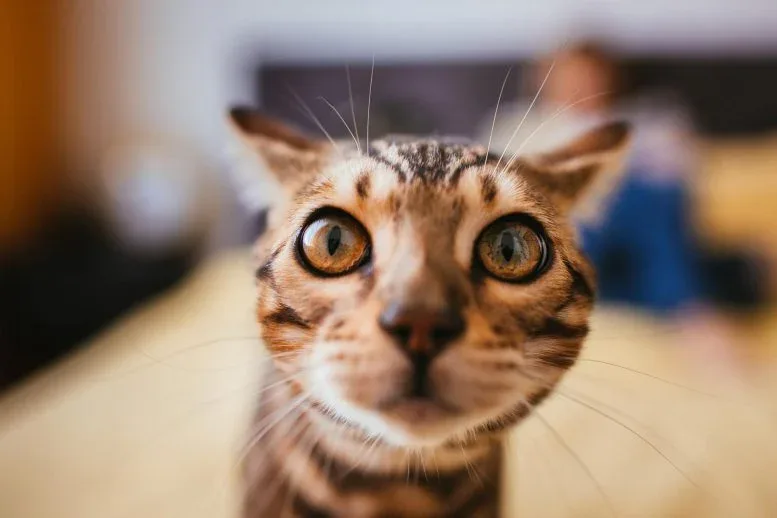
Lipid droplets in the kidneys may help cats maintain a consistent chemical “scent identity.” Scent marks can linger long after an animal has moved on, allowing urine and other chemical signals to carry information across both distance and time. Yet the molecules responsible for odor do not remain unchanged. They evaporate, break down, and shift [...]



 research.io