Biodiversity – The Conversation


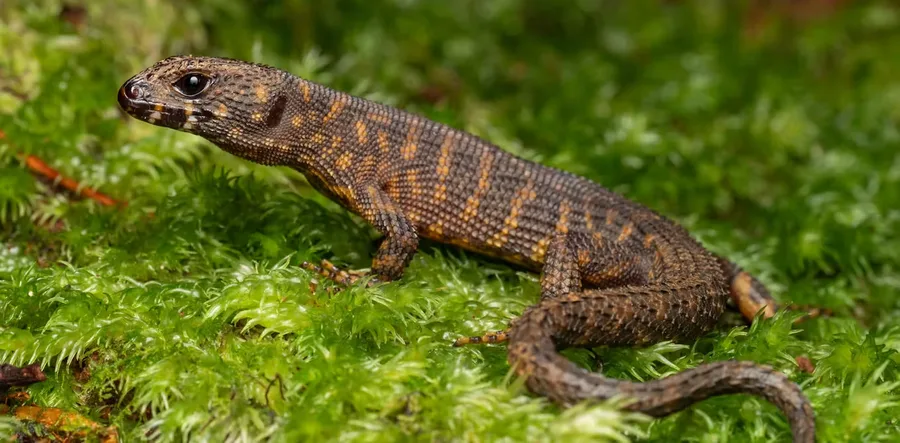
A new study finds the incredible diversity of lizards in Australia relates to a major upheaval in the continent’s climate more than 20 million years ago.

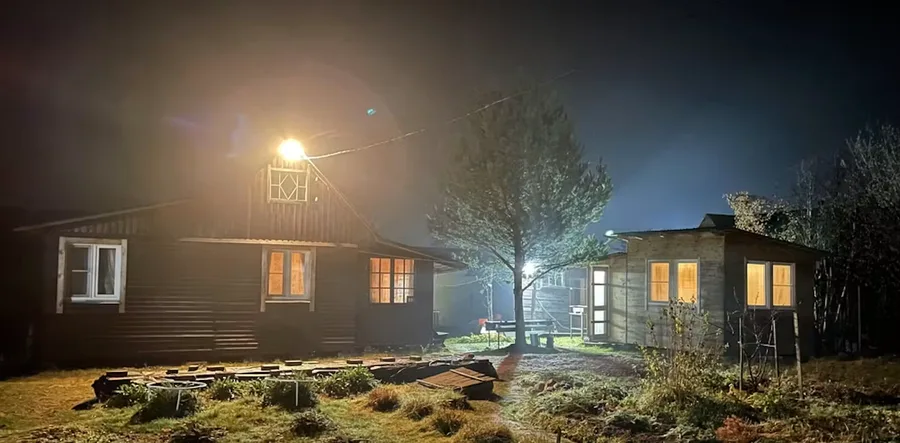
The intiative looks to reduce glare and introduce lighting that is less disruptive to wildlife.

The use of artificial intelligence tools is among the top emerging issues in biodiversity conservation.

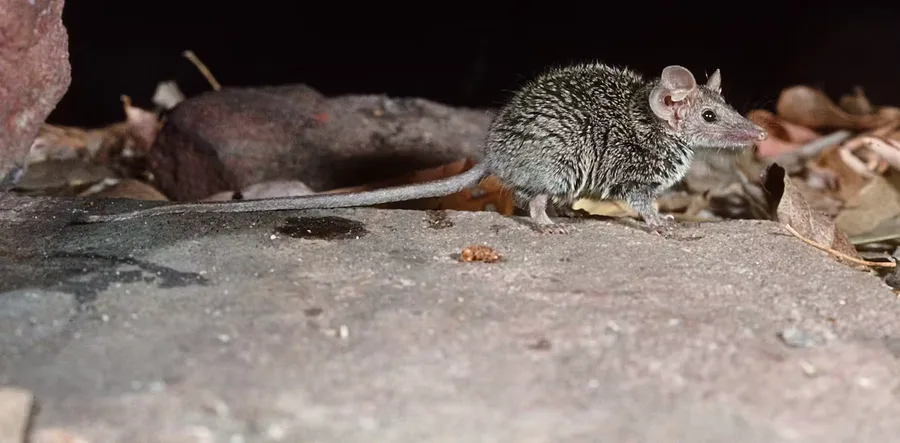
Using sophisticated genetic technology and 100-year-old museum specimens, we uncovered a new planigale species.

Even now, in an age of satellites and genome sequencing, the Earth still holds secrets.

While some progress has been made since these goals were established in 2017, it is uneven. Only seven of the 26 targets have been broadly met.

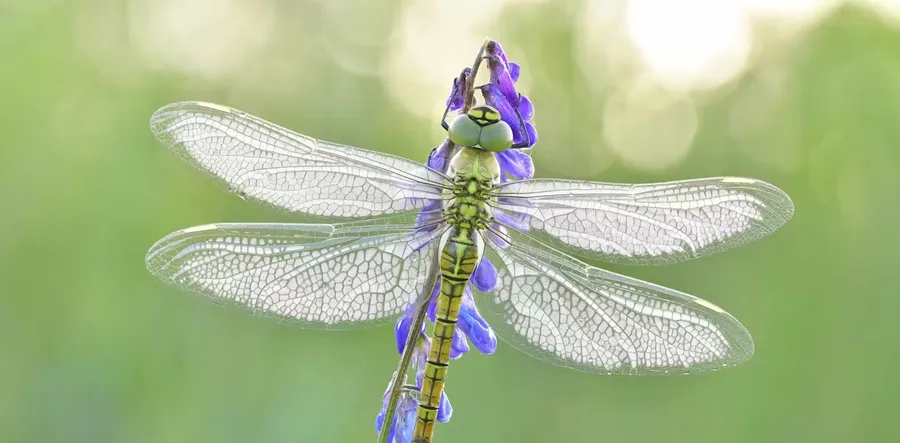
When we lose insect species without even knowing they existed, we will never know where they lived, what they looked like, how they interacted with other species or the impact they had on ecosystems.

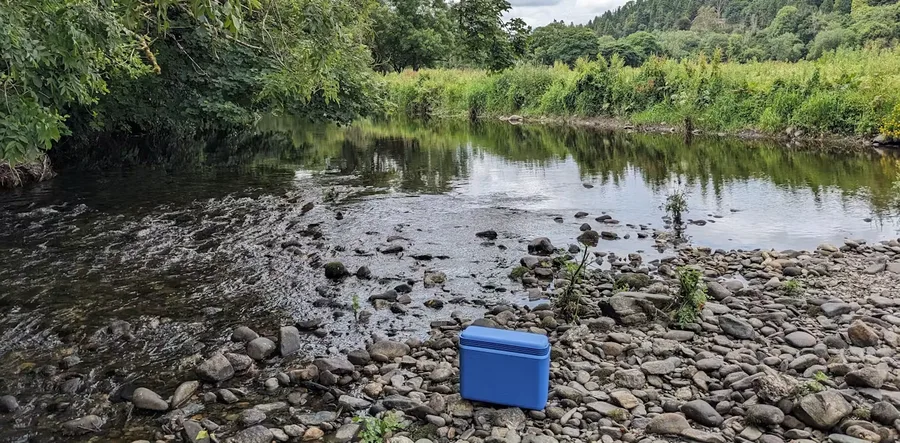
Environmental DNA contained in a small sample of water, sand or even air can reveal the presence of people, wildlife and pathogens, helping researchers track where they’ve migrated.

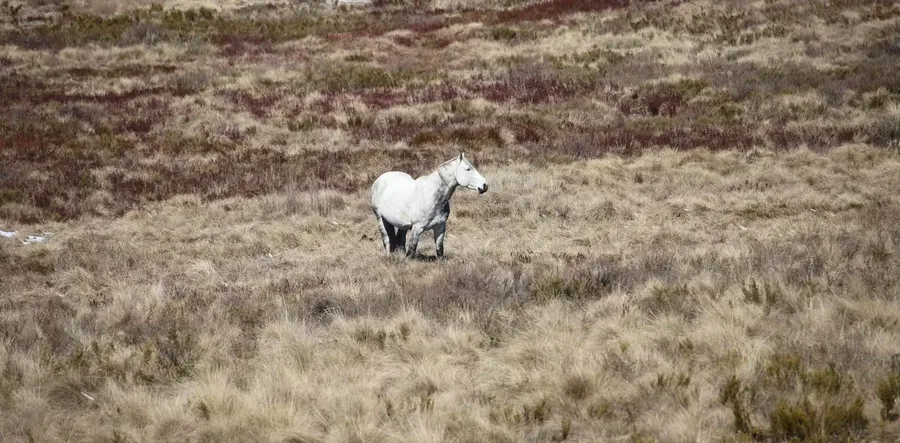
A mild summer led to breeding. And a dry winter could concentrate feral horses around fragile alpine waterways.

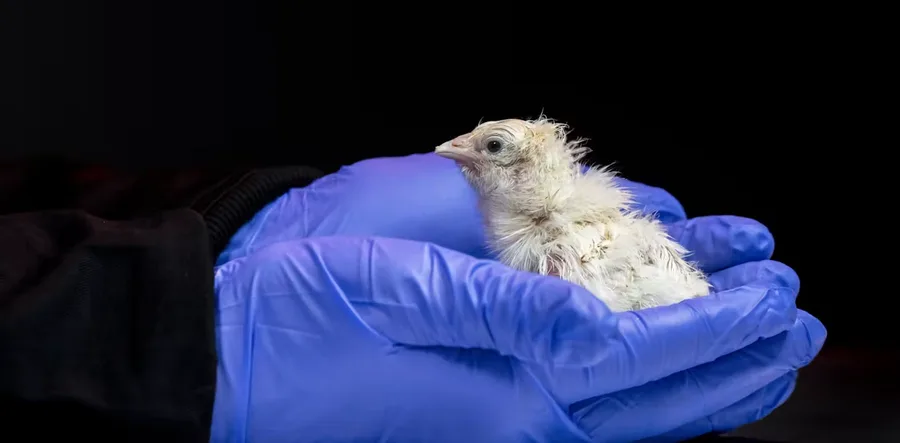
Colossal Biosciences’ artificial egg technology would deliver a useful tool for the conservation of threatened birds, but only if it’s made publicly available.


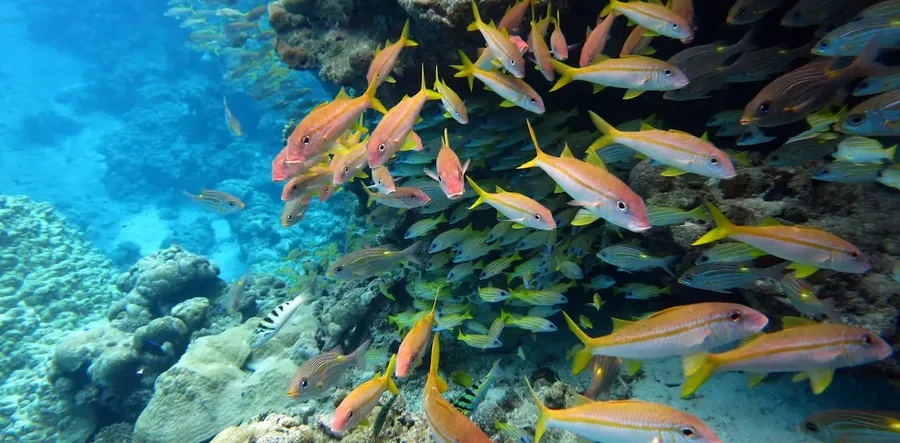
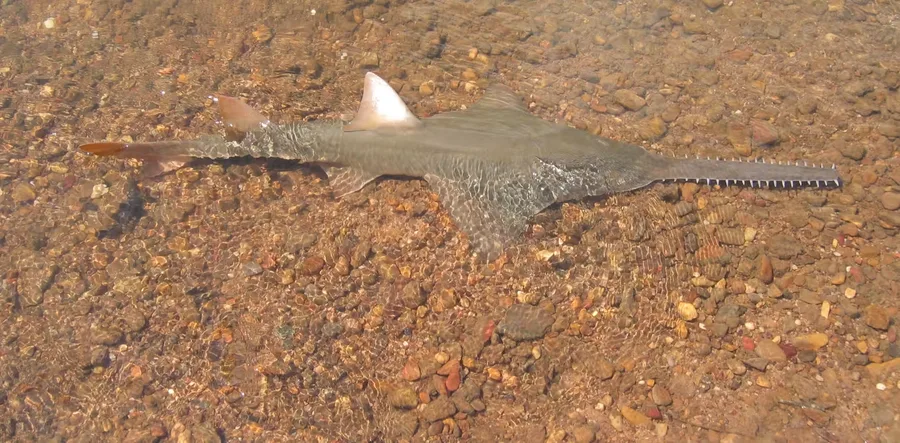
If you’re a tiny prawn, barramundi or rare sawfish in a northern Australian gulf, you can’t easily swim south to escape the heat.

Low salaries are part of the reason biodiversity remains understudied in Africa.


These long-delayed laws took three years, a new Environment Minister and a slew of compromises to be passed.

For biodiversity, it’s not just about switching off street lighting, it’s about knowing when and where to turn the lights off.

It can be hard for governments to prioritise the risks of ecosystem collapse above conflict, energy poverty and food supply chain issues