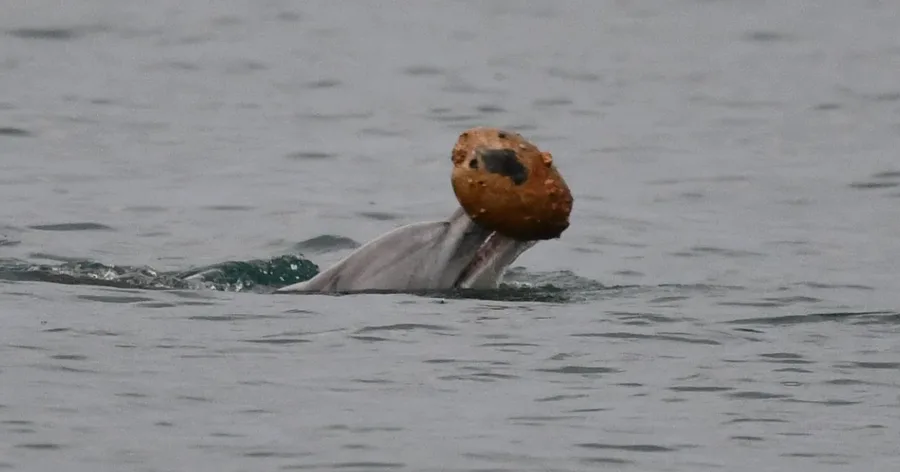
Dolphins have once again given scientists a reason to reconsider just how clever they really are. Researchers off the coast of Queensland, Australia, have captured footage of bottlenose dolphins using empty shells to catch fish, providing the first video evidence of the behavior in this part of the country. Even more intriguing, scientists believe young […]
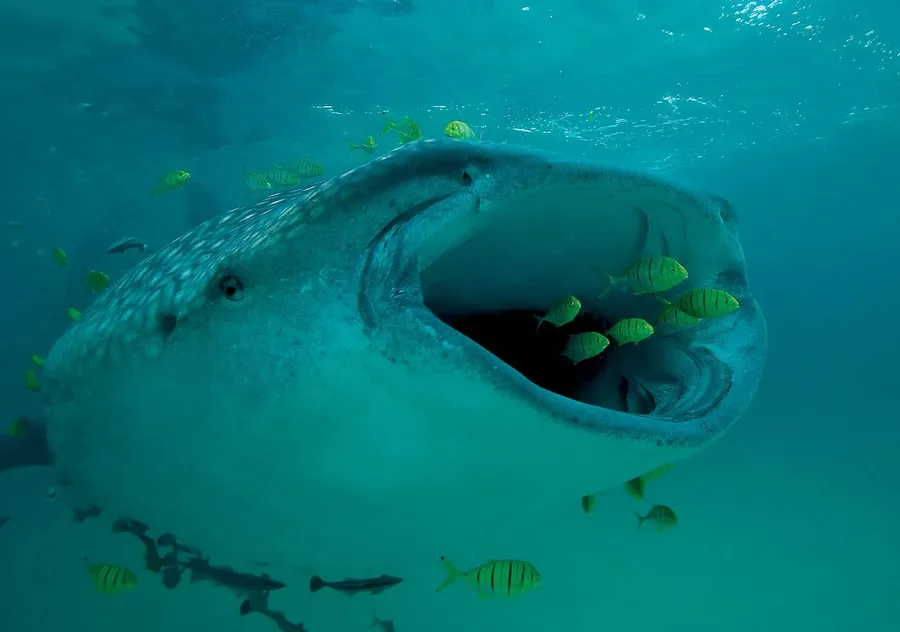
Whale sharks are the largest fish in the ocean, capable of growing longer than a school bus. But despite their enormous size and worldwide popularity, scientists have spent surprisingly little time seeing the ocean from a whale shark’s perspective. So researchers decided to change that. Scientists from the Australian Institute of Marine Science and Murdoch […]
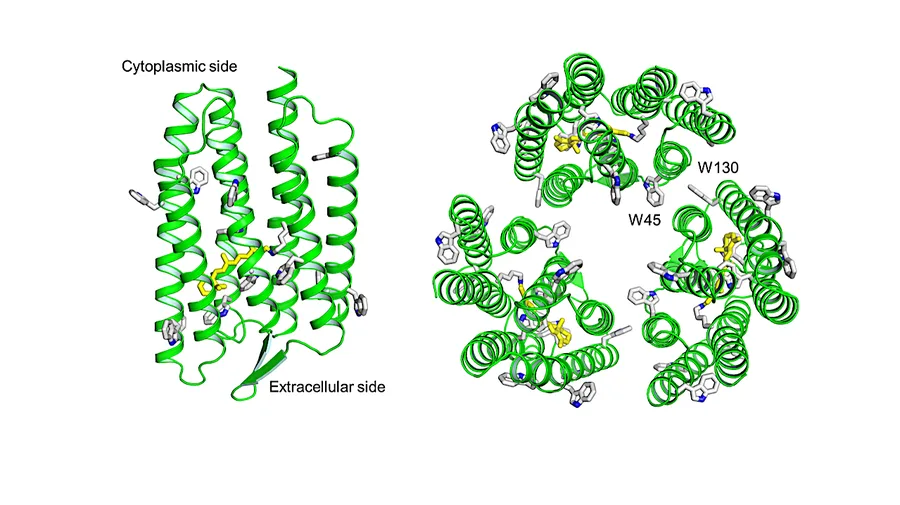
[Kyushu University] Life in the deep sea is under immense pressure—literally. Such extreme conditions can disrupt the delicate structures of proteins essential to life. Yet somehow, the proteins in deep-sea […] The post How A Deep-sea Protein Adapts To An Extreme Environment appeared first on Astrobiology .
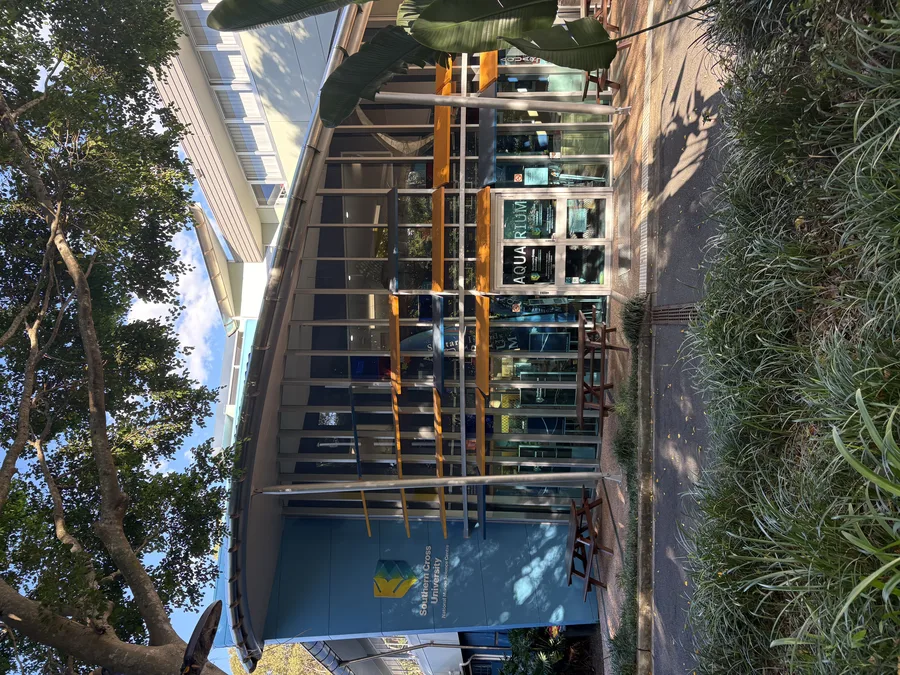
G’Day from Australia! My name is Nyrobi Whitfield, and this summer I am thrilled to be working with Roberto Ponce on an incredible project studying sea slug taxonomy at Southern Cross University’s National Marine Science Centre (Figure 1). I recently graduated from Oberlin College and Conservatory and will begin my PhD in marine biology this fall at Oregon State University with Dr. Bruce Menge. …
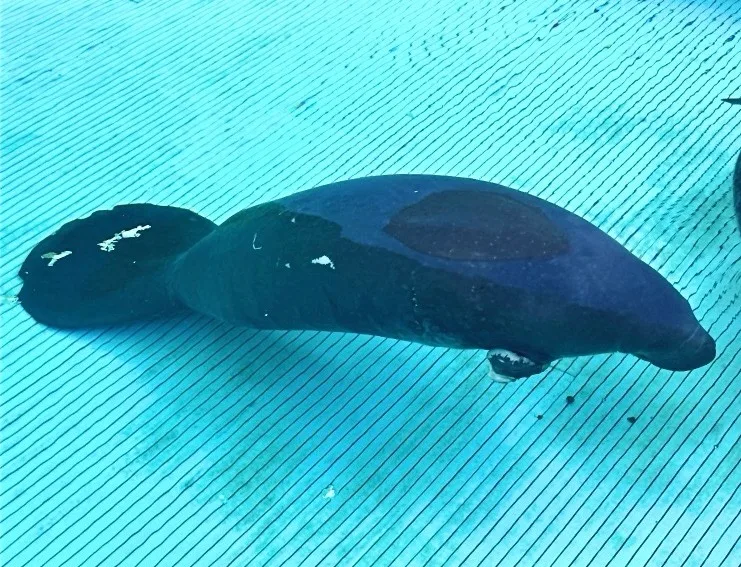
A 1,400-pound manatee is recovering at SeaWorld Orlando after a severe entanglement in a crab trap left veterinarians with no choice but to amputate her right pectoral flipper. The adult female was rescued from Florida’s Indian River Lagoon near Titusville after a local couple noticed something unusual in the water behind their home. A yellow […]
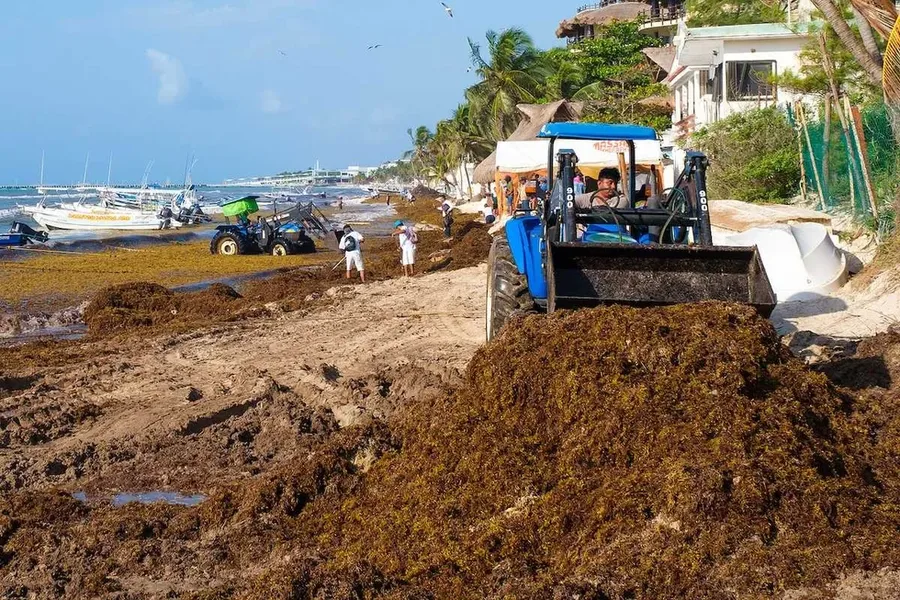
Stretching from West Africa to the Gulf of Mexico, a massive bloom of sargassum seaweed is swamping beaches and killing coastal wildlife. But scientists have discovered the floating algae also shelters a vast array of ocean creatures, and some are now calling for its protection.
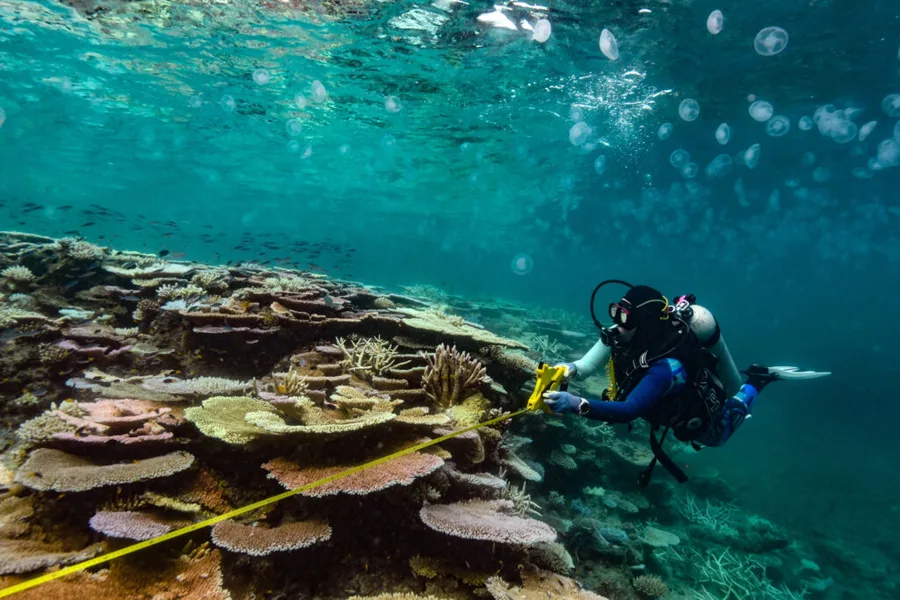
In 1998, unusually hot ocean temperatures stressed corals worldwide, causing them to expel the microalgae living within their tissues that normally nourish the tiny animals and give them color. Over the next year, more than 20 percent of the world’s reefs turned white during the first global coral bleaching event on record.  Fortunately, some of […]
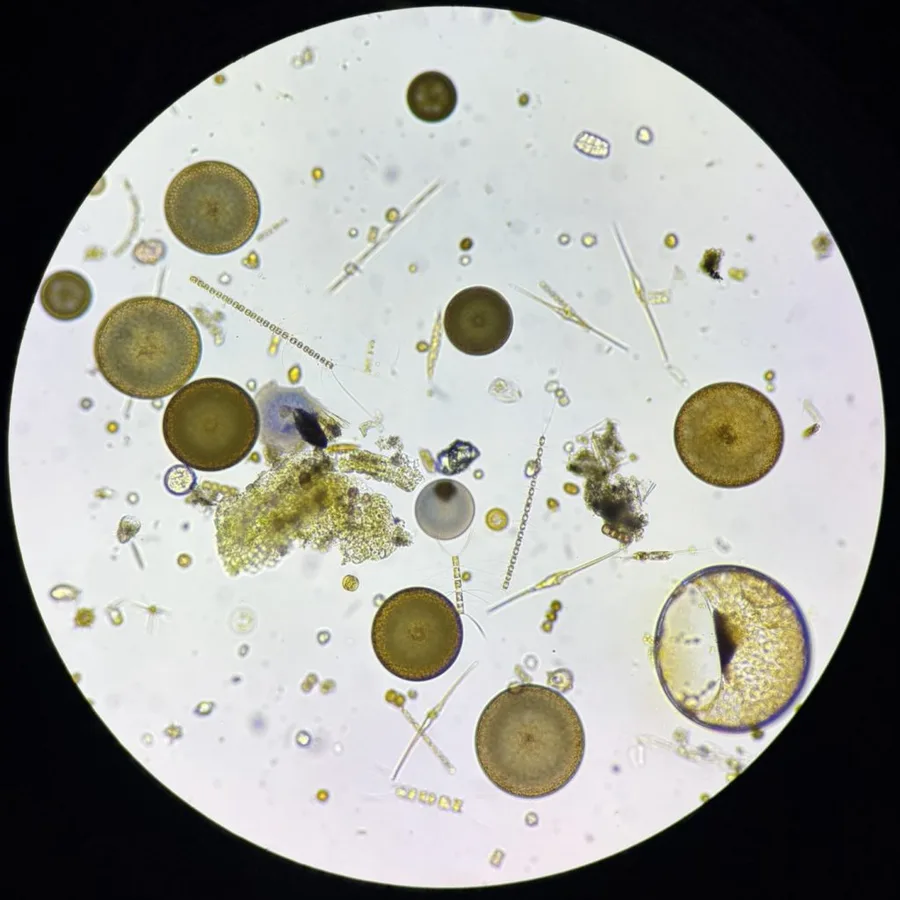
This year we celebrate the 20th anniversary of SoundToxins, a Washington Sea Grant program that serves as an early warning system to protect people and shellfish safety from toxic phytoplankton blooms. As a former phytoplankton sampler for SoundToxins and its Pacific coast sister program Olympic Region Harmful Algal Bloom (ORHAB), I am so happy to dig deeper into this program’s history and shine …
New York’s retired subway cars added hard structure to Atlantic reef sites, but the famous 400-fold figure describes food density on reef surfaces rather than a 400-fold increase in regional fish populations.
Through the CELS Summer Fellowship Program, Delia Fuller, a senior studying marine affairs at the University of Rhode Island, has been exploring what ocean equity means and how it can be incorporated into the URI community. Under the mentorship of Dr. Yoshitaka Ota, professor of marine affairs, she has been researching ocean equity, reviewing academic literature and documentaries, and laying the …
Linda Lory, manager of the New England Aquarium’s Sea Turtle Hospital, and biologist Charlotte Clark traveled to South Padre Island, Texas t The post Protecting Kemp’s Ridley Sea Turtles from New England to Texas appeared first on New England Aquarium .
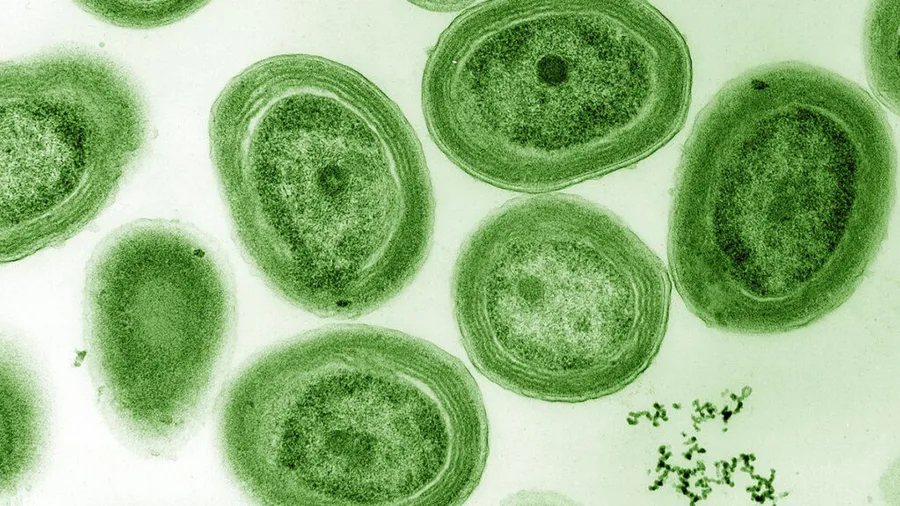
Prochlorococcus marinus , a common species of marine cyanobacteria, may play a bigger role in the biological carbon pump than researchers realized. Credit: Chisolm Lab/Flickr , Public Domain
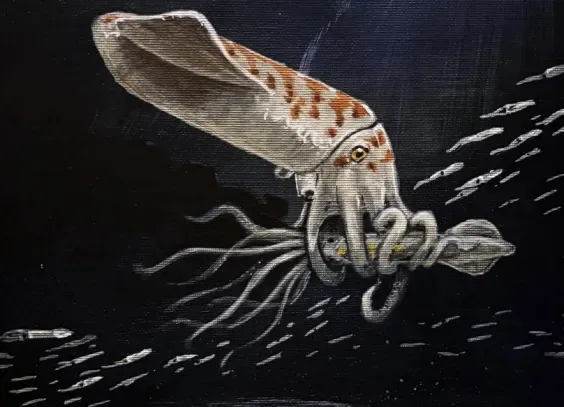
Thousands of meters below the ocean surface, researchers recorded squid they rarely get to see. The unusual footage is revealing a mysterious side of deep-sea life that few have ever witnessed.
Nature Communications, Published online: 10 September 2026; doi:10.1038/s41467-026-77646-2 Pocillopora verrucosa corals were inoculated with a bacterial pathogen and/or a coral probiotic, then subjected to heat stress. Pathogen inoculation induced epigenetic and gene expression changes that were mitigated by probiotic co-inoculation.
A strange-looking sea animal may offer scientists new clues about how the brain changes with age. Researchers found that aged mice given supplements containing plasmalogens, natural fat-like molecules found in sea squirts, performed better on memory tests and showed several biological changes linked with healthier brain aging. Sea squirts are soft marine animals that attach […] The post This Seaf…
University of Oslo·Faculty of Mathematics and Natural Sciences
3d ago
Ichthyosaurs ruled the oceans for 150 million years in the Mesozoic era. Their fish-shaped bodies are built for high speeds. In that case, it is normally an advantage to be as light as possible.




 research.io