Korean researchers found that low-dose radiation therapy eased knee pain and improved movement in people with mild to moderate osteoarthritis. The treatment, far weaker than cancer radiation, showed real benefits beyond placebo. With no side effects and strong trial results, the approach could provide a middle ground between painkillers and joint surgery.
For decades, scientists believed Alzheimer’s was driven mainly by sticky protein plaques and tangles in the brain. Now Purdue researchers have revealed a hidden culprit: fat. They found that brain immune cells can become clogged with fat, leaving them too weak to fight off disease. By clearing out this fat and restoring the cells’ defenses, researchers may have uncovered an entirely new way to co…
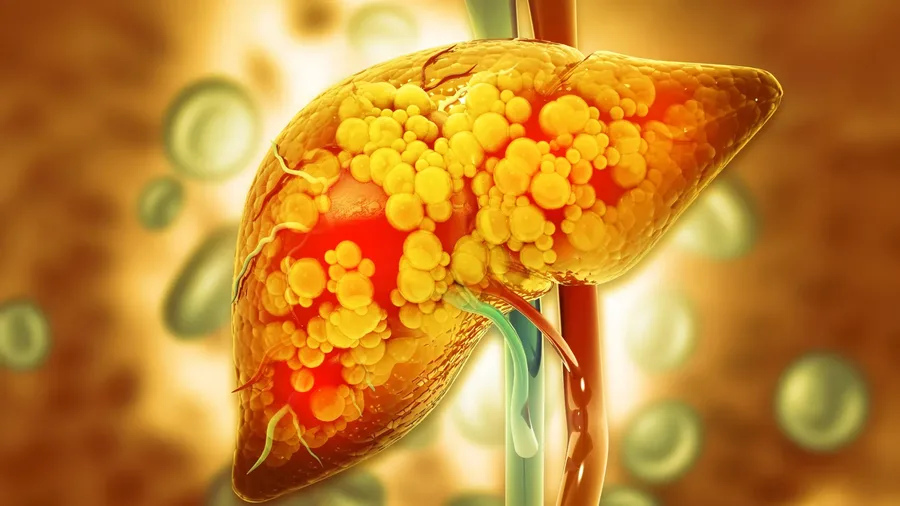
Mayo Clinic scientists uncovered how excessive drinking triggers fatty liver disease by disrupting the enzyme VCP, which normally prevents harmful protein buildup on fat droplets in the liver. Alcohol blocks this protective process, allowing fat to accumulate and damage liver cells.
Switching clocks twice a year disrupts circadian rhythms in ways that harm health. Stanford scientists found permanent standard time would reduce obesity and stroke rates nationwide, making it the strongest option over permanent daylight saving time or seasonal shifts.
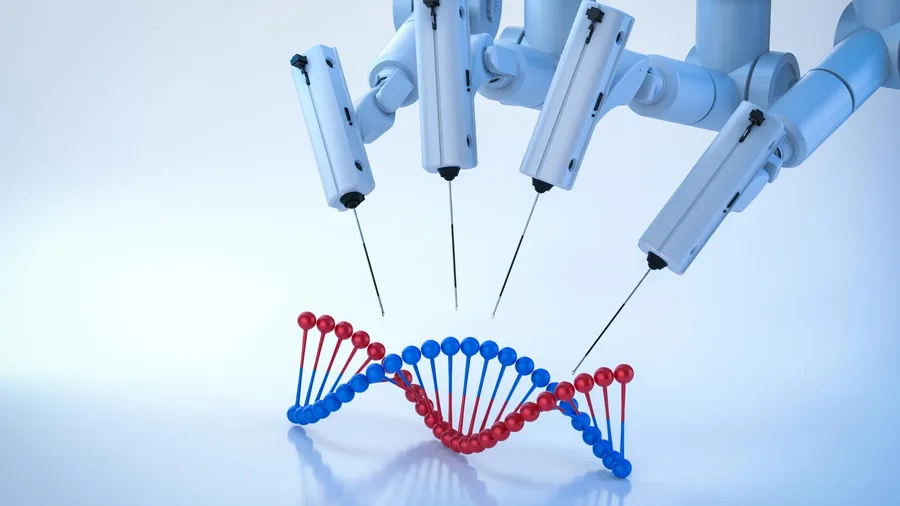
Northwestern scientists have developed a new nanostructure that supercharges CRISPR’s ability to safely and efficiently enter cells, potentially unlocking its full power to treat genetic diseases. By wrapping CRISPR’s tools in spherical DNA-coated nanoparticles, researchers tripled gene-editing success rates, improved precision, and dramatically reduced toxicity compared to current methods.
Researchers at the Salk Institute have used CRISPR to uncover hidden microproteins that control fat cell growth and lipid storage, identifying one confirmed target, Adipocyte-smORF-1183. This breakthrough could lead to more effective obesity treatments, surpassing the limitations of current drugs like GLP-1.
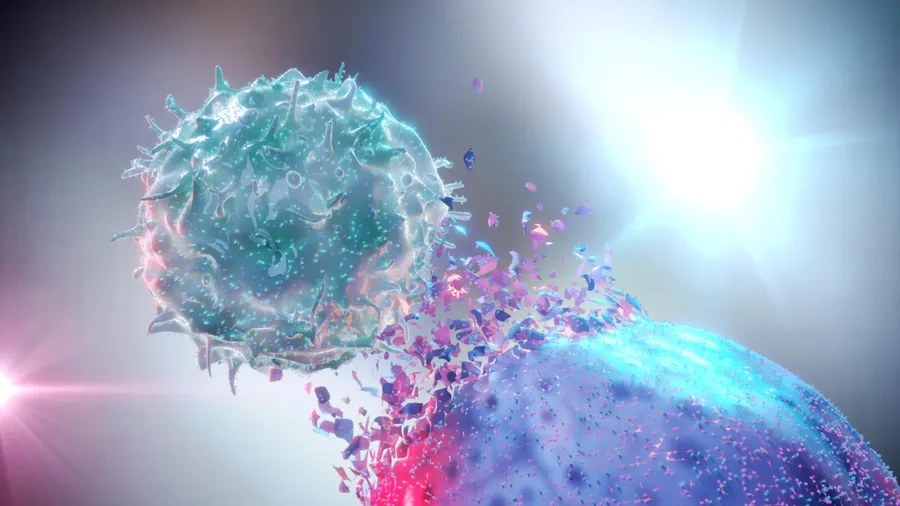
Radiation therapy, once thought of mainly as a local cancer treatment, is now showing power to awaken the immune system in surprising ways. Researchers discovered that combining radiation with immunotherapy can transform stubborn, unresponsive lung tumors into targets for immune attack—especially those considered “cold” and typically resistant. This happens through a rare and poorly understood ef…
Research teams have created a versatile set of gene delivery systems that can reach different neural cell types in the human brain and spinal cord with exceptional accuracy. These delivery systems are a significant step toward future precise gene therapy to the brain that could safely control errant brain activity with high precision. In contrast, current therapies for brain disorders mostly trea…
Cancer treatment with a cell-based immunotherapy causes mild cognitive impairment, a Stanford Medicine team found. They also identified compounds that could treat it.
Modern HIV medicine is based on a common genetic mutation. Now, researchers have traced where and when the mutation arose -- and how it protected our ancestors from ancient diseases.
Many mitochondrial diseases have been difficult to study and treat due to the inherent challenges in accessing mitochondrial DNA (mtDNA). Now, researchers have optimized mitochondrial-targeted compounds that can selectively modify the ratio of normal versus mutant mtDNA in patient-derived stem cells. This technology enables the creation of research models with varying mutation loads and demonstra…
Historically, small molecule drugs have been precisely designed down to the atomic scale. Considering their relatively large complex structures, nanomedicines have lagged behind. Researchers argue this precise control should be applied to optimize new nanomedicines.
New research suggests that decreased activity of ELOVL2 -- a key enzyme in lipid metabolism -- accelerates white blood cell aging and alters genes associated with the onset of blood cancers.
Scientists have developed a new type of handheld multi-purpose radiation detector that comprehensively detects all types of ionizing radiation. The device can be used by industrial and medical radiation users, regulatory authorities, the nuclear energy industry, first responders and military users. The technology has been patented and is currently being explored for commercialization.
An international team of researchers has discovered a natural mechanism that protects the heart from heart failure with preserved ejection fraction (HFpEF), a serious condition in need of effective treatment. The team reports that when the cardioprotective mechanism fails, it promotes the development of HFpEF. Importantly, restoring the mechanism prevents the progression of the condition. The fin…
A research team has developed an advanced delivery system that transports gene-editing tools based on the CRISPR/Cas9 gene-editing system into living cells with significantly greater efficiency than before. Their technology, ENVLPE, uses engineered non-infectious virus-like particles to precisely correct defective genes -- demonstrated successfully in living mouse models that are blind due to a m…
The new study reveals a remarkable way that cells keep us safe from transposable elements (TEs) gone wild. The researchers found that cells have taken advantage of an entire protein network to repress TE activity and keep themselves healthy.
A research team has developed a new system to estimate a person's biological age -- a measure of how well their body has aged, rather than just counting the years since birth. Using just five drops of blood, this new method analyzes 22 key steroids and their interactions to provide a more precise health assessment. The team's breakthrough study offers a potential step forward in personalized heal…
Investigators have found that the gene Asah1 plays a crucial protective role in preventing the progression of nonalcoholic fatty liver diseases (NAFLD) into more severe forms of liver disease by regulating hepatic lipid homeostasis and cellular maintenance processes. The findings have the potential to inform new therapeutic strategies and improve outcomes for NAFLD patients.


















 research.io