
radiation-therapy

Neuro-oncology, neurosurgery and nuclear medicine physicians from Ann & Robert H. Lurie Children's Hospital of Chicago, in collaboration with Cerenome, Inc., launched the first clinical trial in children of radiotherapy called Rhenium-186 Nanoliposome (186RNL), which is injected directly into the brain tumor through a catheter with hopes of providing minimal exposure to the surrounding healthy ti…
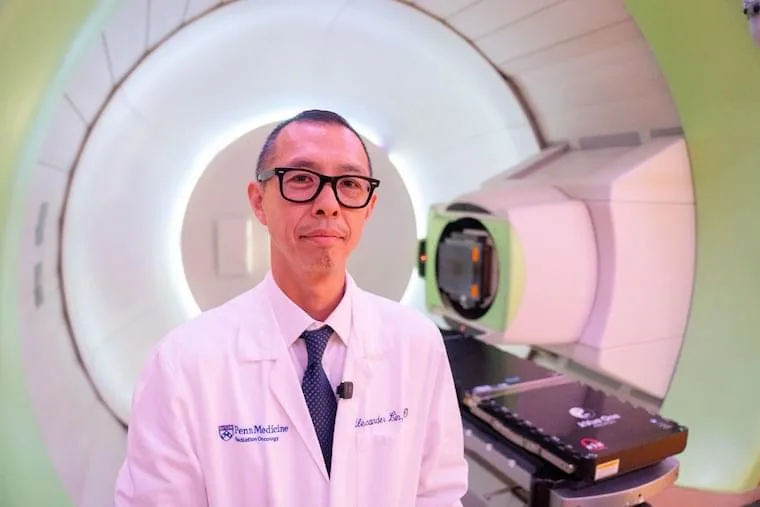
A new form of proton therapy-designed to deliver cancer-killing radiation therapy in less than a second, through fewer total sessions, with potentially less risk of damaging side effects-is now being tested in a Phase I clinical trial at the Abramson Cancer Center of the University of Pennsylvania.

The new form of proton therapy is called FLASH and is designed to deliver cancer-killing radiation therapy in less than a second.
Researchers in Korea are developing a new approach to localized brachytherapy that could improve the treatment of keloid scars.

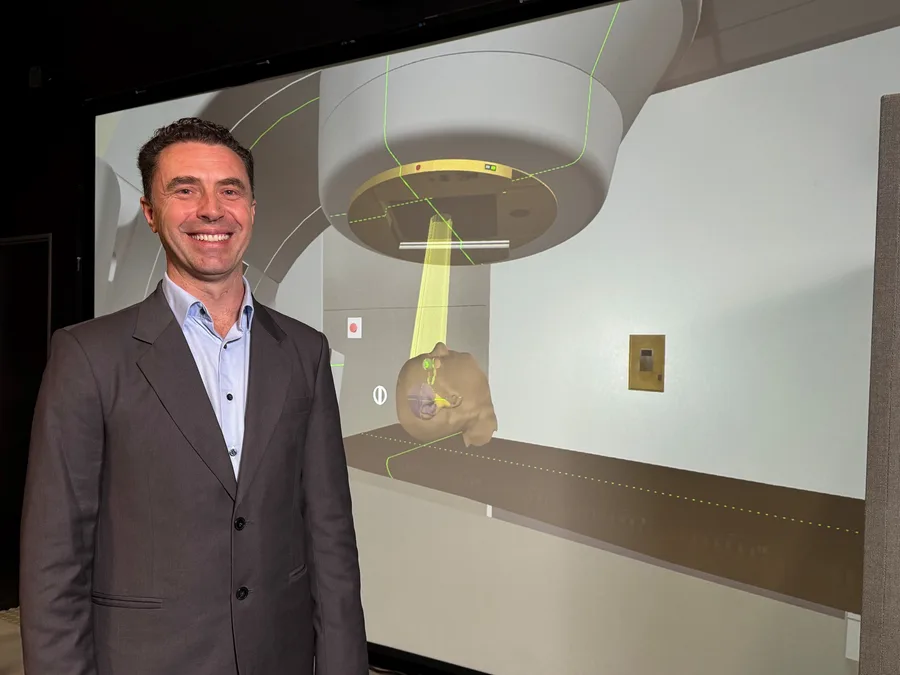
Australian researchers are challenging decades-old assumptions about brain cancer treatment in a bid to make radiation therapy more effective against tumours, while reducing damage to healthy tissue.

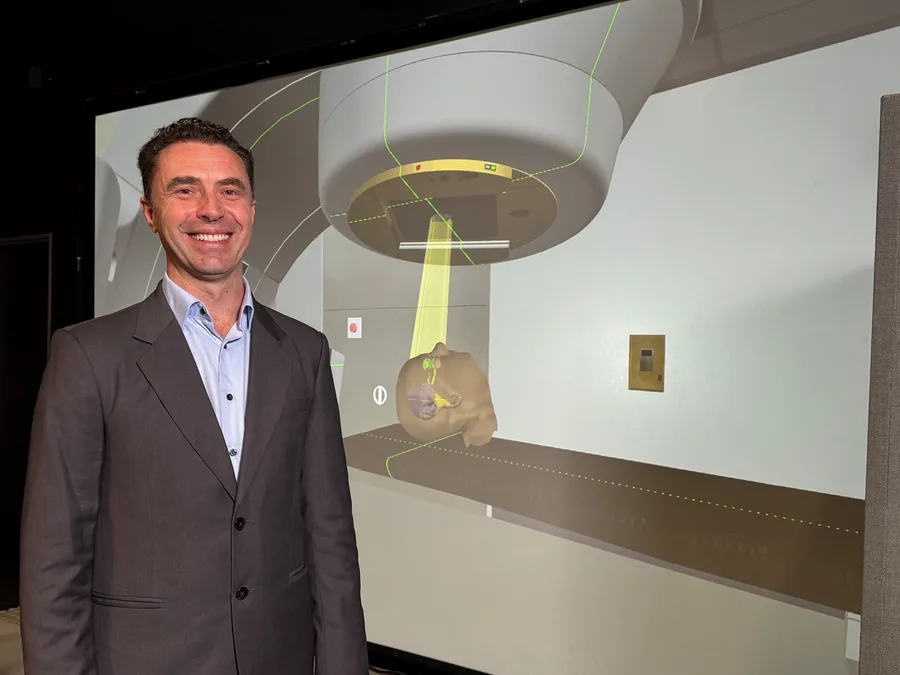
Australian researchers are challenging decades-old assumptions about brain cancer treatment in a bid to make radiation therapy more effective against tumours, while reducing damage to healthy tissue.

Explore ASCO 2026 head and neck cancer updates: novel bispecific antibodies, neoadjuvant IO response rates, and IO-radiation timing insights.

Researchers at the Fralin Biomedical Research Institute at VTC have developed an experimental oral therapy that protected mice from otherwise harmful radiation exposure while preserving radiation's ability to destroy cancer cells, a finding that could ultimately improve cancer treatment and strengthen preparedness for radiological emergencies.

Researchers at the Fralin Biomedical Research Institute at VTC have developed an experimental oral therapy that protected mice from otherwise harmful radiation exposure while preserving radiation's ability to destroy cancer cells, a finding that could ultimately improve cancer treatment and strengthen preparedness for radiological emergencies.
For radiation oncologists and their patients, small margins can make a big difference. The University of New Mexico Comprehensive Cancer Center is among approximately 100 treatment facilities worldwide, and the only one in New Mexico, to offer an MRI-linear accelerator (MRI-LINAC).
Scientists have confirmed that many people with early-stage breast cancer may only need five days of radiotherapy after surgery instead of the traditional three-week treatment plan. The findings come from a major clinical trial that followed patients for an entire decade and found that the shorter treatment was just as safe and effective as the […] The post Major breast cancer study shows patient…
Scientific Reports, Published online: 23 April 2026; doi:10.1038/s41598-026-48566-4 Radioluminescence 3D dose reconstruction for FLASH and conventional radiotherapy
Study Identifies Strategy to Overcome Radiation Therapy Resistance in Lung Cancer In a preclinical study published today in Cancer Research, a journal of the American Association for Cancer Research, researchers at The University of Texas MD Anderson Cancer Center identified one way lung cancer becomes resistant to radiation therapy and then developed a strategy to overcome this challenge.
Radiation therapy, once thought of mainly as a local cancer treatment, is now showing power to awaken the immune system in surprising ways. Researchers discovered that combining radiation with immunotherapy can transform stubborn, unresponsive lung tumors into targets for immune attack—especially those considered “cold” and typically resistant. This happens through a rare and poorly understood ef…
Key Points Gregory Czarnota, MD, PhD, FRCPC, is a radiation oncologist and clinician-scientist in the Department of Radiation Oncology at Sunnybrook Health Sciences Centre, a senior scientist in the Physical Sciences Department of Sunnybrook Research Institute, and a professor of radiation oncology and medical biophysics at the University of Toronto. He has spent his career ...
Cancer Therapy & Oncology - Juniper Publishers Abstract Cancer can become anywhere in the human body almost including trillions of cells. Cancerous tumors spread or invade into the tissues to form new tumors that named as the process of metastasis. Radiation therapy (RT) was first used to treat cancer over a hundred years ago. The progress has been made to improve the effectiveness of this …
Patients with bone cancer are often treated with alpha particle radiation therapy, delivered into or very close to the tumor. However, it is unknown whether the radioactive elements spread throughout the surrounding area or to the body’s vital organs, where they could cause toxic effects. Researchers developed a computational framework to measure the concentration of [..] The post SPECT Imaging I…
Respiratory motion can influence the efficacy and safety of radiation therapy in the thorax and abdomen. Free-breathing 4D-MRI is a promising alternative to 4D-CT for motion management in MRI-guided linac treatments, providing excellent soft-tissue contrast with no ionizing radiation. High-quality MR images free of motion artifacts can distinguish lesions from normal tissue. MRI techniques, howev…

research.ioSign up to keep scrolling
Create your feed subscriptions, save articles, keep scrolling.