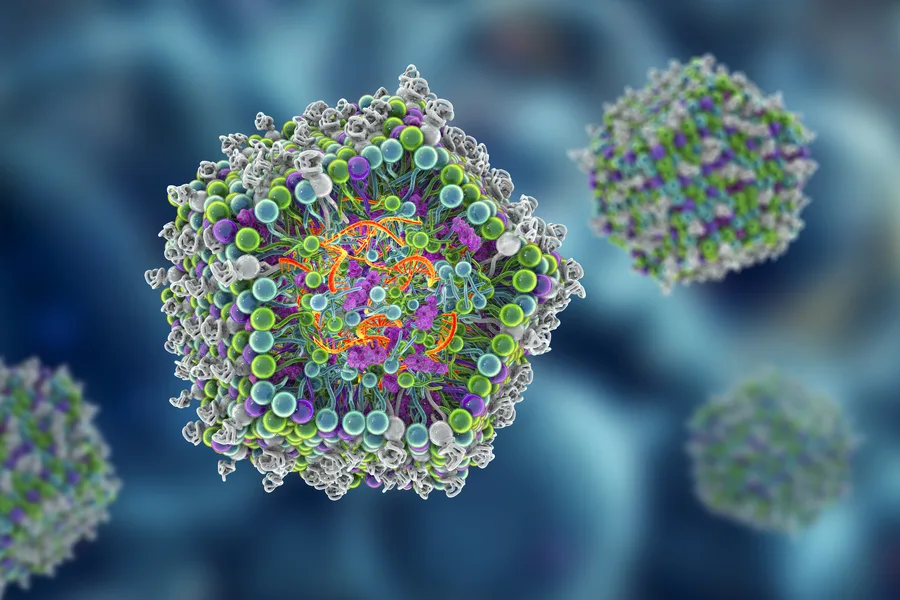
The same technology used to deliver mRNA in COVID-19 vaccines is being used to target a type of immune cell that can help tumours evade the body's defences. Adelaide University researchers have effectively reprogrammed these cells so they can do their job and fight cancer.
Karsten Eastman, CEO of Sethera Therapeutics, is available to discuss what the FDA's evolving approach to peptide medicines means for patients, consumers, investors, and the next generation of peptide therapeutics.
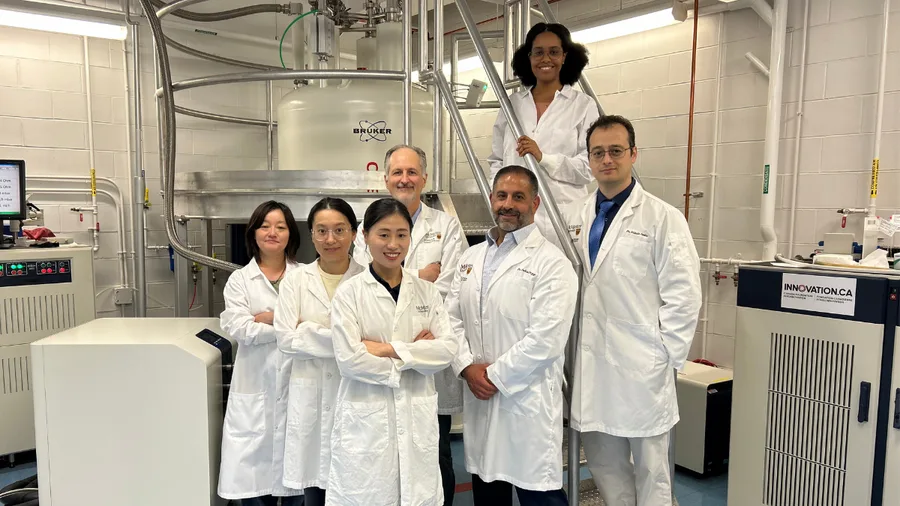
Using advanced nuclear magnetic resonance (NMR) spectroscopy and clinical expertise in transfusion medicine, the Canadian team identified a hidden mechanism that controls whether a blood protein remains harmless or becomes the target of clot-causing antibodies.
Expanding use of a noninvasive, ultrasound-based cancer treatment is the ultimate goal of the new University of Michigan Histotripsy Center, a first-of-its-kind facility launched today.
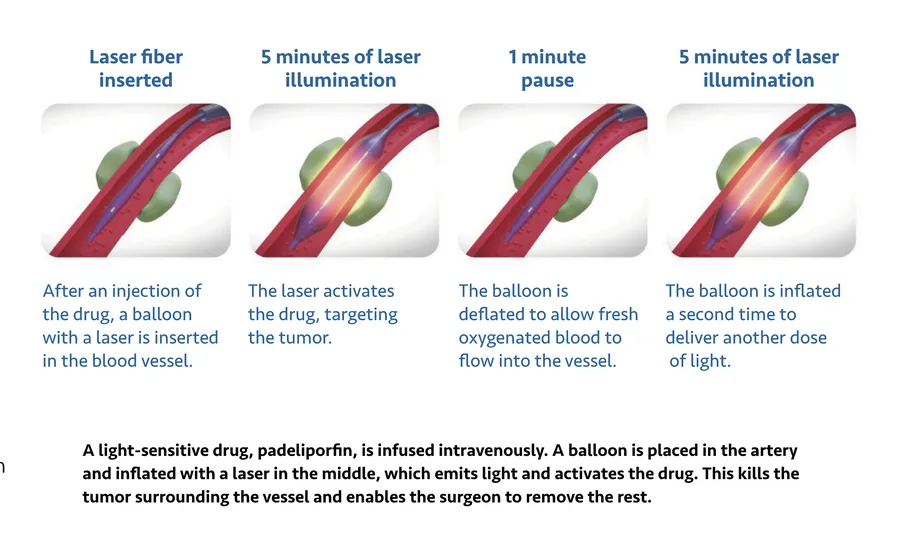
UCI Health, the clinical enterprise of the University of California, Irvine, is conducting a first-in-human, phase 1 clinical trial using laser light to target localized but inoperable pancreatic tumors to help patients become cancer free.
Researchers at the Icahn School of Medicine at Mount Sinai have found that small populations of pancreatic cancer cells can create localized immune-protective niches that shield tumors from immune attack. The finding could open new avenues for making immunotherapy more effective against one of the deadliest forms of cancer.
Mayo Clinic researchers have found that artificial intelligence (AI)-enabled spatial analysis can identify patterns in routine pathology slides that may help clinicians identify which patients with pancreatic cancer are at greater risk of recurrence after treatment and surgery.
Researchers at Moffitt Cancer Center and Thomas Jefferson University have received $2.8 million in federal funding to investigate new treatment strategies for acral melanoma, a rare form of melanoma that develops on the palms of the hands, soles of the feet and beneath the nails.
Announcing a new article publication for Cardiovascular Innovations and Applications journal providing fresh evidence on the effectiveness of medical and surgical treatments for mitral regurgitation (MR). Drawing on 24 randomized controlled trials involving 3,711 patients, researchers found that medical therapy was associated with reductions in MR severity, while transcatheter mitral valve repair…
Accurate and efficient isolation and recovery of interest cells allow detailed analyses of cellular function, growth and culture, and gene-expression profiling of cells within heterogeneous populations.
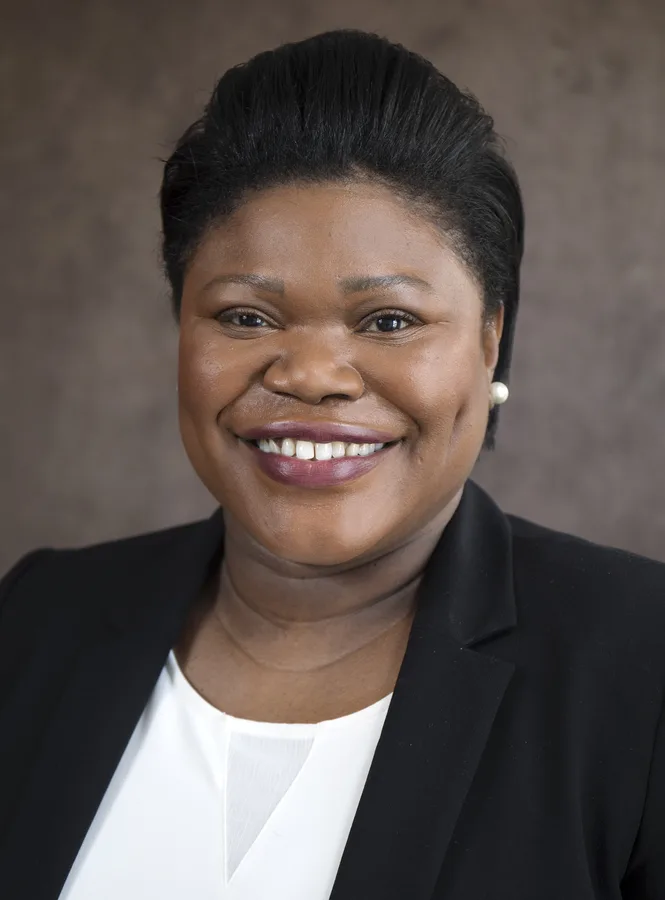
Kimyatta Washington has been named as the Chief Operating Officer of UChicago Medicine's AbbVie Foundation Cancer Pavilion, which will open to patients in April 2027.
For anesthesiology residents working 24-hour shifts, providing brief, scheduled "nap opportunities" may lead to better clinical performance, reports a clinical trial in the October 2026 issue of Anesthesiology, the peer-reviewed medical journal of the American Society of Anesthesiologists (ASA).
Borrowing from the study of complex systems like flocks of birds and microbial communities, UChicago researchers built AI tools that compare the spatial organization of tumors -- a step toward personalized cancer treatment.
The American Society for Radiation Oncology (ASTRO) announced today the official press program selections for its upcoming Annual Meeting. Researchers will discuss their findings in news briefings on September 28 and 29, and meeting registration for credentialed journalists is available.
Most patients with localized appendix cancer may be able to safely avoid chemotherapy after surgery, according to a new study from researchers at The University of Texas MD Anderson Cancer Center.
Facing major surgery is stressful, but for older adults, unaddressed anxiety and depression can impede physical recovery. A clinical trial led by researchers at Washington University School of Medicine in St. Louis has found that starting an intervention before surgery -- one that combines mental health coaching with optimization of medications that may increase risks for older adults -- reduces …
Mayo Clinic researchers have identified a potential new approach to treating glioblastoma that could help the immune system fight the aggressive brain cancer while improving the effectiveness of existing chemotherapy.
Aldoris Mbonya-Bate does not let sickle cell disease make her plans for her. She has built a career she loves, acted in film and television projects and traveled internationally, including to the Maldives and Thailand.
The Wistar Institute announces the National Institutes of Health has awarded two major grants totaling more than $15M to Luis J. Montaner, D.V.M., D.Phil., director of Wistar's HIV Cure and Viral Diseases Center.















 research.io