For anesthesiology residents working 24-hour shifts, providing brief, scheduled "nap opportunities" may lead to better clinical performance, reports a clinical trial in the October 2026 issue of Anesthesiology, the peer-reviewed medical journal of the American Society of Anesthesiologists (ASA).
Researchers found that altering a small group of dopamine-producing neurons in fruit flies fragments their sleep. This sleep deprivation prevents the insects from forming long-term memories, highlighting a crucial neural link between rest and learning.
For adults who struggle to stay asleep, a bed that sways gently throughout the night might offer a path to better rest. New research reveals that continuous rocking reduces nighttime awakenings in people with insomnia symptoms.
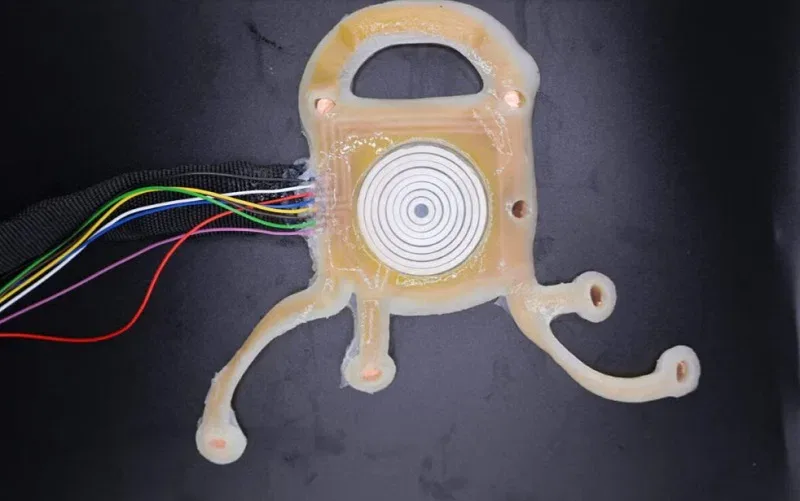
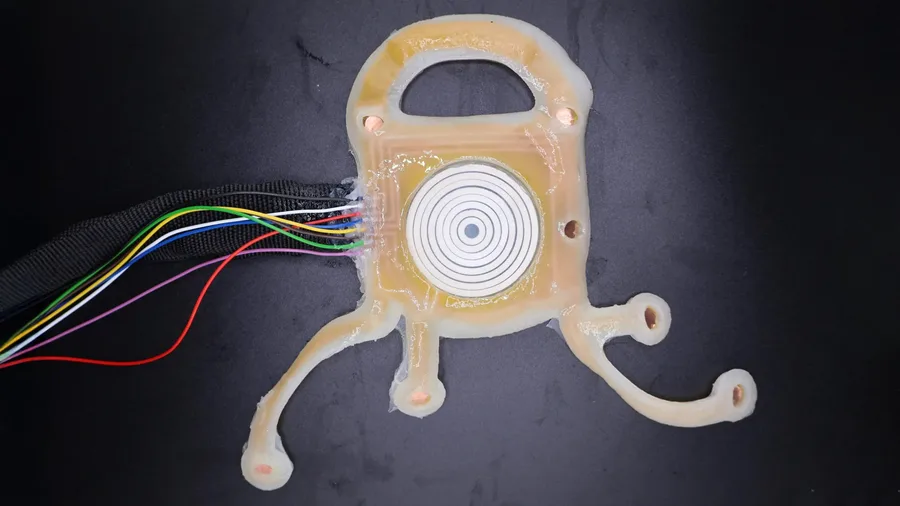
Scientists have developed a wearable ultrasound patch that could help people get more REM sleep without taking medication or undergoing surgery. The technology, developed by researchers led by the University of Texas at Austin, uses gentle ultrasound waves to stimulate areas deep inside the brain that are involved in sleep. At the same time, the […] The post New Ultrasound Patch Could Help People…
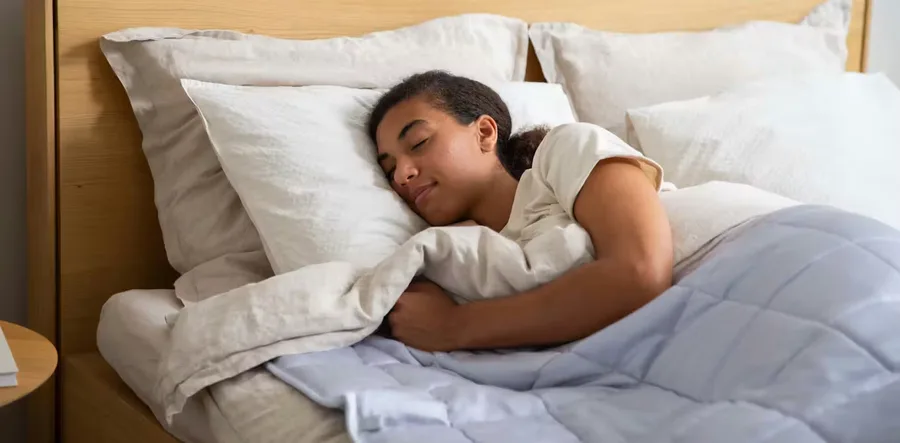
Sleep is not simply downtime between study sessions. Research suggests it plays an important role in memory consolidation while sleep loss can interfere with attention and learning. #childprotection, #health, #tips, #sleep, #students, #learning, #memory, #memoryconsolidation, #studytips, #neuroscience, #sleepdeprivation, #remsleep, #nremsleep, #productivity, #brainhealth, #supereducational
Tony Cunningham.Niles Singer/Harvard Staff Photographer Losing sleep is bad for individuals. Communities, too? Researchers look to fill knowledge gap, push... #health, #sleep, #research, #supereducational
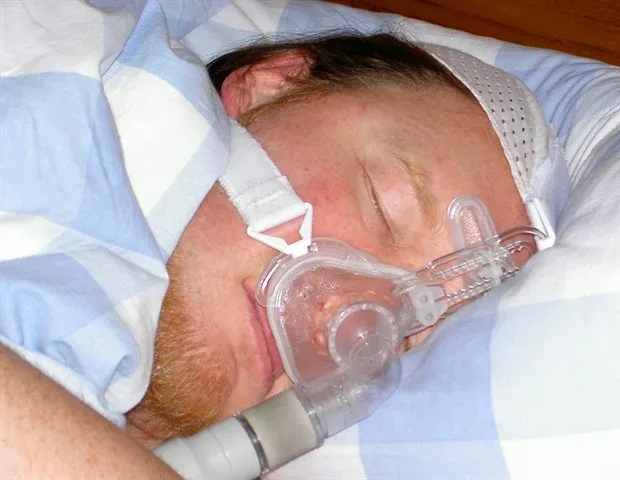
Anyone who has had to share a room - or worse, a bed - with a loud snorer knows the effect unchecked snoring can have on sleep, sanity, and emotional stability.
Scientists have developed a soft patch that may offer a new way to improve an important stage of sleep without using drugs or surgery. In an early human study, people using the device entered rapid eye movement, or REM, sleep sooner and spent more time in it. The technology, called NEUSLeeP, was developed by researchers […] The post Wearable Patch Helps People Reach REM Sleep Faster appeared firs…
For people with chronic sleep problems, treatment often means medication, behavioral therapy or changes in daily habits. Researchers in Texas are exploring a very different possibility: a wearable patch that gently stimulates the brain while a person sleeps. The experimental device is called NEUSLeeP. Developed by a team led by the University of Texas at […] The post A Soft Patch Could Change How…
University students are often prescribed caffeine to boost their alertness and to remain focused during academic activities, but late and excessive consumption has been recommended to have a negative effect on sleep quality. This study aimed to explore the relationship between caffeine-related behaviors and sleep quality among students of the Institute of Management/Al-Rusafa, and to assess the p…
There are measurable changes in the way we run when we are short of sleep, which give us a clearer picture of how a lack of shut-eye affects our risk of injury
REM sleep disruptions have been associated with depression, anxiety and post-traumatic stress disorder (PTSD). Current approaches to sleep problems, including medication and behavioral therapy, may cause side effects or may not directly address the underlying factors that interfere with REM sleep. Future Trials for Insomnia, Depression and PTSD The team plans to conduct larger studies […]
A new wearable patch may help people reach REM sleep faster and remain there longer without medication or surgery. In a study of 28 participants, the device shortened the time to REM by 43 minutes and extended it by about 16 minutes. Researchers also observed signs of improved stress regulation and changes in brain circuits tied to emotion.
Researchers have identified what may be an unexpected cause of the severe sleep problems that affect many people with Alzheimer’s disease. Their study suggests that overactive immune cells, rather than protein plaques alone, may be keeping the brain awake. Sleep problems are one of the earliest and most common symptoms of Alzheimer’s disease. Many people […] The post Why People with Alzheimer’s L…
Nature, Published online: 27 July 2026; doi:10.1038/d41586-026-02294-x Chemical tags on proteins could provide a biomarker for sleep deprivation, mouse studies suggest.
Waking an athlete at 2 a.m. for anti-doping testing isn't just inconvenient. It's ignoring the science of sleep and performance. Lessons learned from the Tour de France.








 research.io