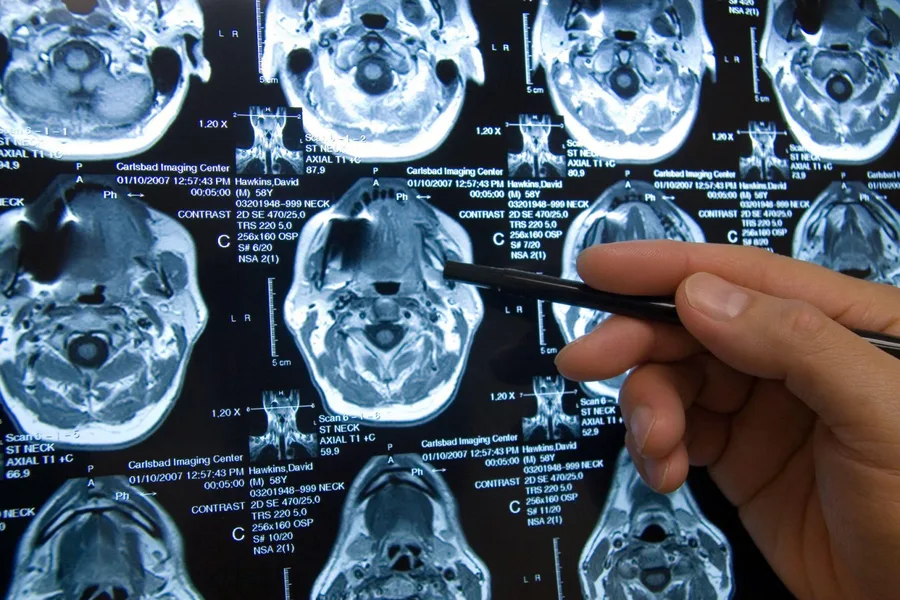
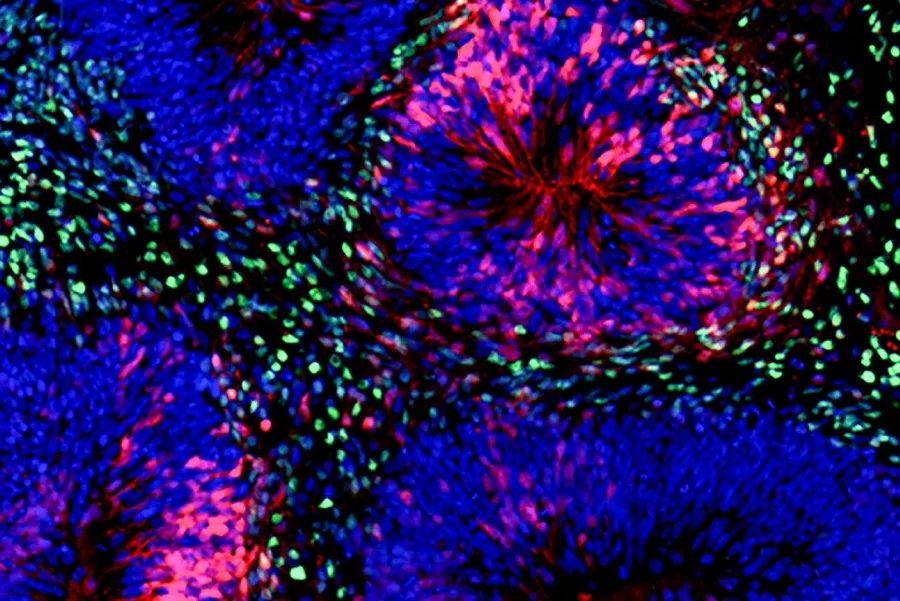
Biogerontologists are exploring the upper limit for human life. A recent study has it verging on two centuries – but columnist Graham Lawton finds reason to be sceptical
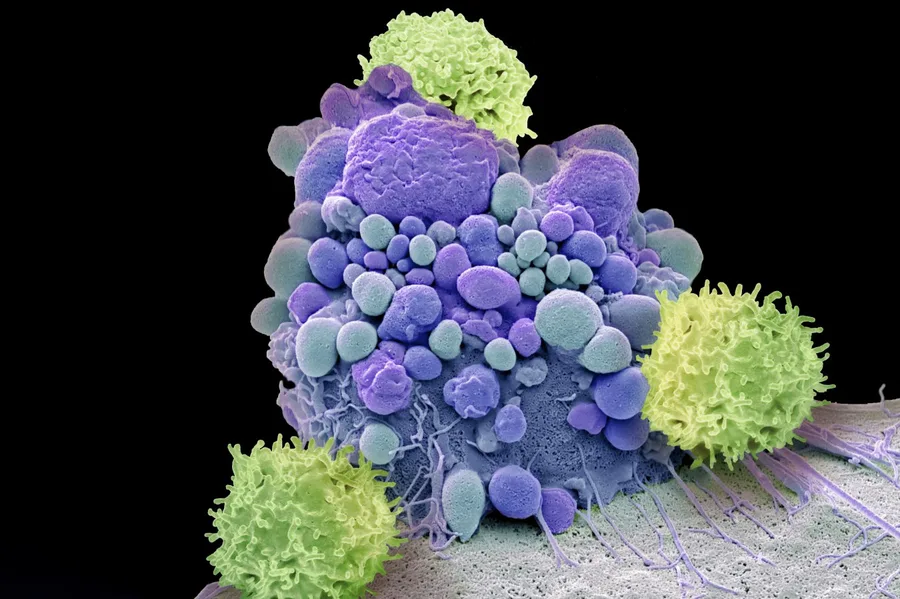
A personalised mRNA cancer vaccine has produced positive results in a final-stage trial involving skin cancer, raising hopes that this approach could work against many cancers
For the past decade, depression has been linked to a shrunken hippocampus, which has a vital role in memory. But a large study using up-to-date scanning techniques suggests this may not be the case
ADHD is a real condition that can have serious consequences if undiagnosed. An ill-informed documentary that suggests it is a modern, social construct could cause harm, says Caroline Williams
Why do humans have a common sense of beauty for things like sunsets, and do other animals share this appreciation? And why can’t we cool water as quickly as we can heat it?
Kimon de Greef's The Ego Trip chronicles the rise of a potent psychedelic drug, from the toads that secrete it to the man who claimed it has amazing powers. Olivia Goldhill discovers an extraordinary tale
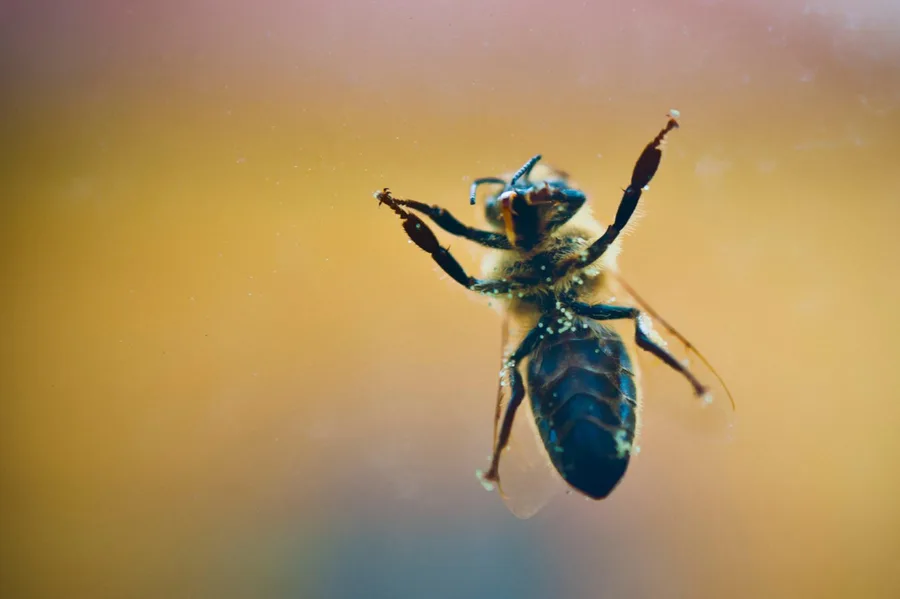
Answers continue to pour in as New Scientist readers ponder this question, with one reader widening it out to consider dragonflies, and another focusing on cluster flies
A rich widow, a disillusioned cop and a dim hypersled driver are caught in the machinations of the oppressive party ruling the Decurion Empire in Richard Swan's The Infinite State. Sci-fi columnist Emily H. Wilson enjoys their struggles
For decades, women have felt the need to hide the impact of changes in their hormones, while scientists have excluded women from research to avoid hormonal fluctuations complicating their research. Thankfully, this is starting to change
Our readers continue to grapple with this question, coming at it from different angles – and also considering how big a planet has to be to retain its atmosphere
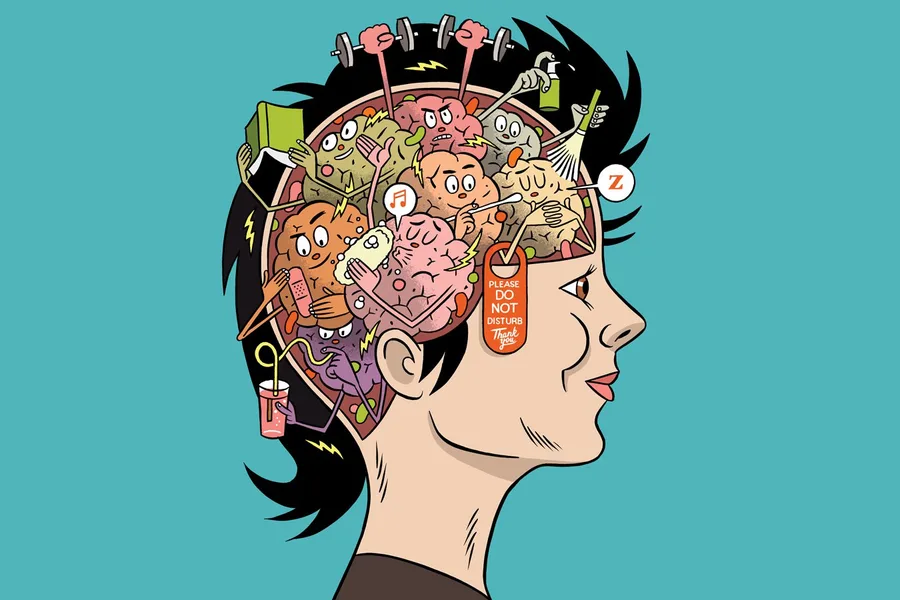
To gain the benefits of sleep, it was thought that the whole brain must switch off. But experiments suggest micro-napping neurons can improve memory and learning while we’re awake











 research.io