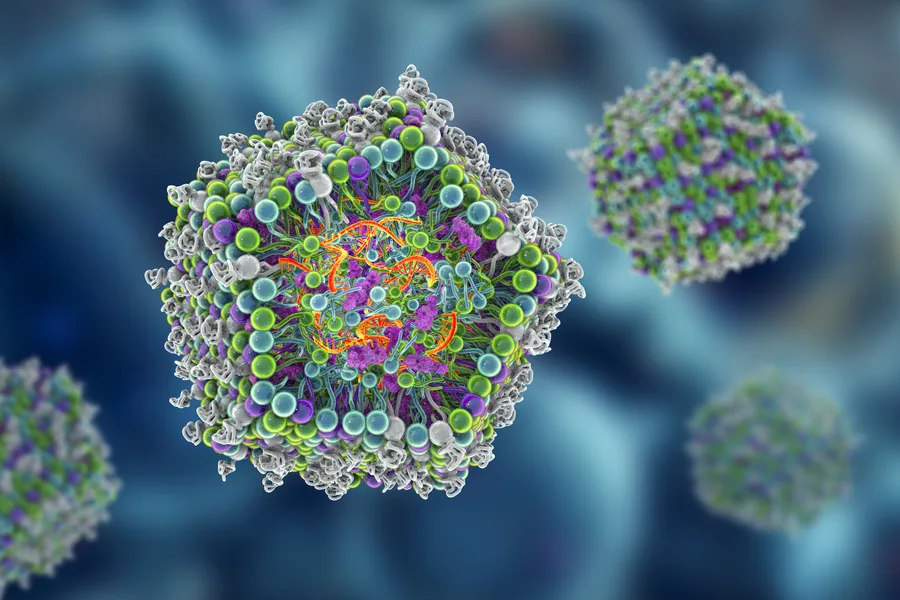
The same technology used to deliver mRNA in COVID-19 vaccines is being used to target a type of immune cell that can help tumours evade the body's defences. Adelaide University researchers have effectively reprogrammed these cells so they can do their job and fight cancer.
A multidisciplinary scientific team at the University of Malaga has developed a new technology based on magnetic nanoparticles that enables precise, rapid and reliable diagnosis of allergy to beta-lactam antibiotics, including amoxicillin and other penicillins.
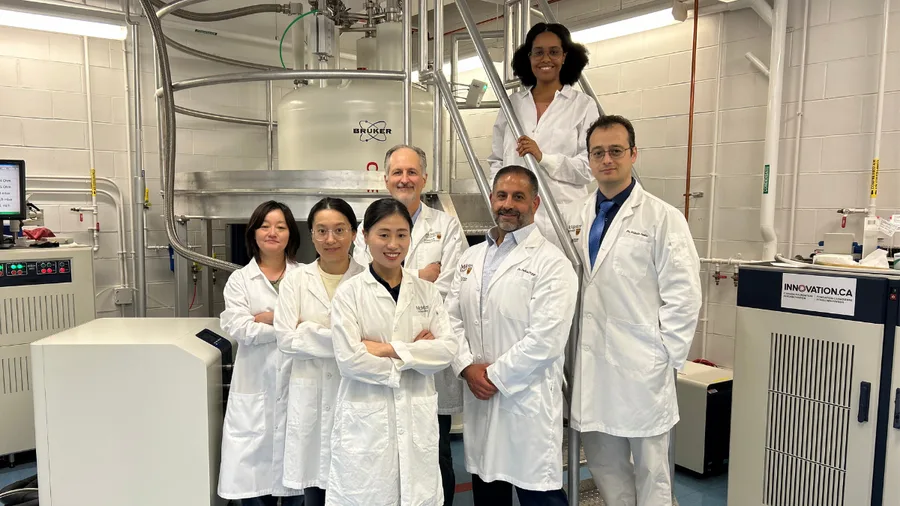
Using advanced nuclear magnetic resonance (NMR) spectroscopy and clinical expertise in transfusion medicine, the Canadian team identified a hidden mechanism that controls whether a blood protein remains harmless or becomes the target of clot-causing antibodies.
American College of Allergy·Asthma and Immunology meeting news
2d ago
Register now to attend the 2026 Annual Scientific Meeting of the American College of Allergy, Asthma and Immunology (ACAAI). The meeting takes place in Phoenix on November 12-16.
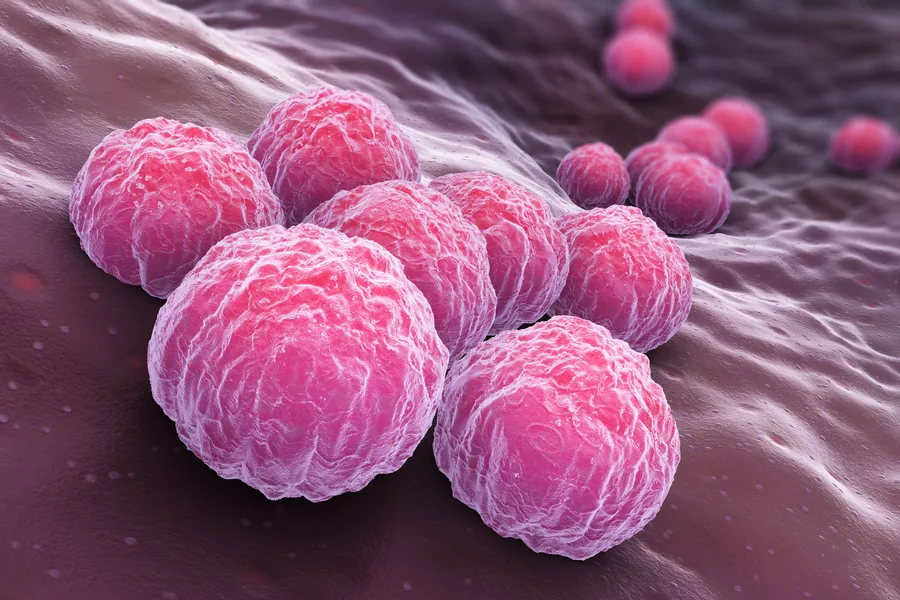
American public health agencies don't routinely test wastewater for sexually transmitted infections, but new research led by the University of Washington and the Washington State Department of Health found that such methods could be used to effectively identify Chlamydia trachomatis, the bacteria that causes chlamydia.
A team led by Cedars-Sinai Health Sciences University investigators has identified a protein that may hide aging cells from the body's immune system, allowing them to build up and contribute to age-related health problems.
Researchers at the Icahn School of Medicine at Mount Sinai have found that small populations of pancreatic cancer cells can create localized immune-protective niches that shield tumors from immune attack. The finding could open new avenues for making immunotherapy more effective against one of the deadliest forms of cancer.
Researchers at Moffitt Cancer Center and Thomas Jefferson University have received $2.8 million in federal funding to investigate new treatment strategies for acral melanoma, a rare form of melanoma that develops on the palms of the hands, soles of the feet and beneath the nails.
Announcing a new article publication for BIO Integration. Myocardial infarction (MI) is characterized by extensive immune activation and dynamic remodeling of the cardiac microenvironment, in which myeloid cells play critical roles in regulating inflammation and tissue repair. However, the cellular heterogeneity, developmental trajectories, and intercellular communication networks of myeloid cell…
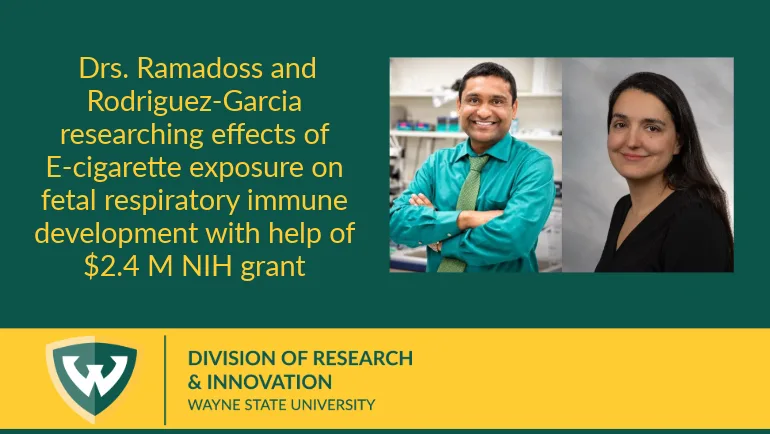
Researchers at the Wayne State University School of Medicine's C.S. Mott Center for Human Growth and Development have been awarded a five-year, $2.4 million grant from the National Institute of Environmental Health Sciences of the National Institutes of Health to study how exposure to e-cigarette components and flavors during pregnancy affect fetal respiratory immune development and the risk of r…
Mayo Clinic researchers have identified a potential new approach to treating glioblastoma that could help the immune system fight the aggressive brain cancer while improving the effectiveness of existing chemotherapy.
The Wistar Institute announces the National Institutes of Health has awarded two major grants totaling more than $15M to Luis J. Montaner, D.V.M., D.Phil., director of Wistar's HIV Cure and Viral Diseases Center.
The Korea Advanced Institute of Science and Technology (KAIST)
3d ago
Immune cells can become exhausted after prolonged exposure to cancer, gradually losing their ability to attack tumor cells. This phenomenon is particularly pronounced in aggressive brain tumors and can severely limit the effectiveness of immunotherapy.
Investigators at Cedars-Sinai Health Sciences University used an experimental drug to reverse the effects of systemic sclerosis, a serious autoimmune disease. The study, conducted in a laboratory, was published in JCI Insight.
UCLA researchers have developed a way to mass-produce cancer-fighting T cells from blood stem cells found in cord blood, engineered to target a protein found in many solid tumors -- creating uniform batches instead of custom treatments for each patient.
A vaccine created by University of Georgia researchers to battle multiple life-threatening fungal infections is successful in achieving protective immunity in pre-clinical animal models while also maintaining the biodiversity of the gut microbiome, according to a new study.
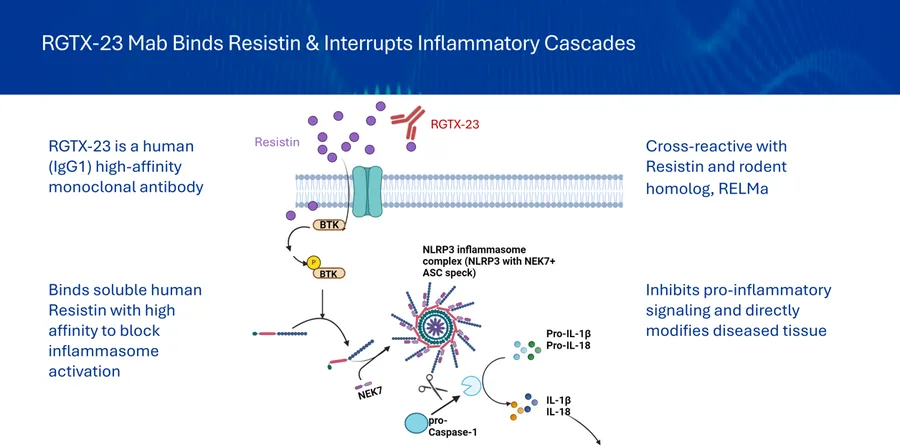
Researchers at Johns Hopkins Medicine have uncovered a critical biological mechanism that helps explain how inflammation is triggered and sustained in a wide range of diseases--highlighting a promising avenue for future therapeutic development.












 research.io