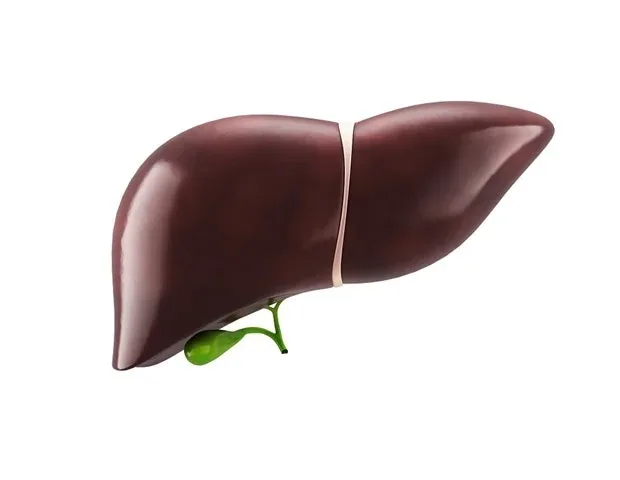
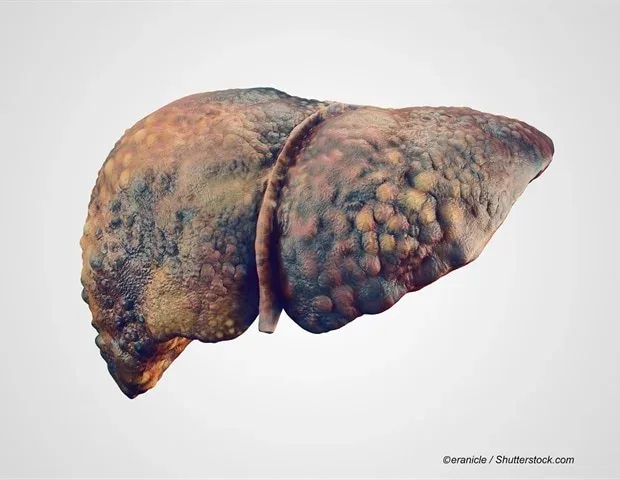
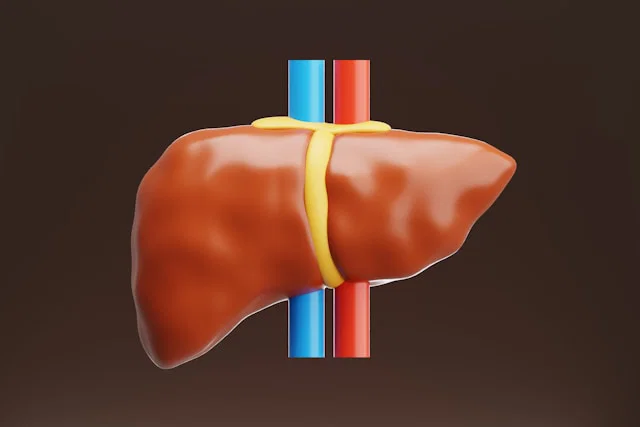
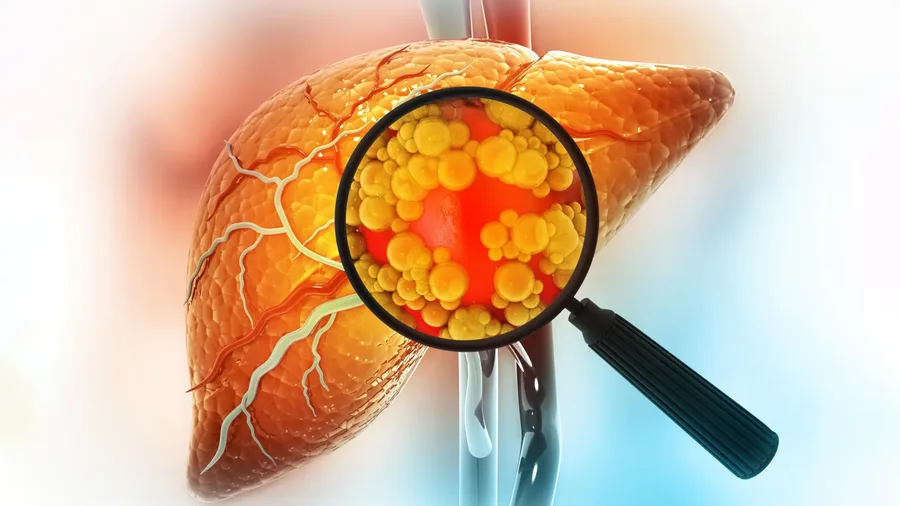
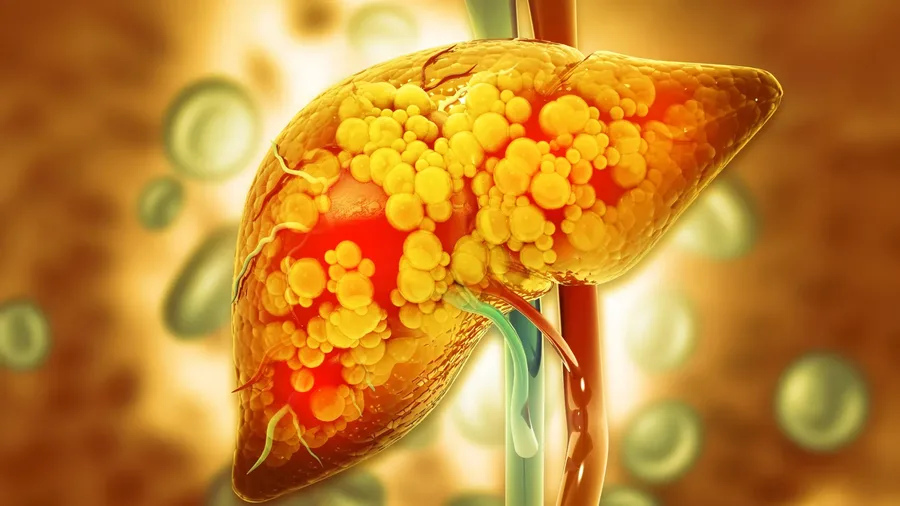
Liver disease often progresses silently until it has become a serious condition. Researchers at The University of Toledo may have found a way to identify one of its earliest warning signs before symptoms appear.
BackgroundMetabolic Dysfunction-Associated Steatotic Liver Disease (MASLD) has emerged as one of the major chronic liver diseases worldwide, and its progression mechanisms have not yet been fully elucidated. Ferroptosis is a form of programmed cell death driven by iron-dependent lipid peroxidation. In recent years, it has been demonstrated to play a crucial regulatory role in the progression of M…
BackgroundChronic liver disease is characterized by progressive hepatic glutathione depletion and oxidative stress, yet antioxidant therapies have historically shown disappointing clinical efficacy in unselected populations. This therapeutic paradox may reflect inadequate patient stratification and failure to distinguish between acute reversible oxidative injury and chronic persistent inflammatio…
Scientists have uncovered why severely damaged livers can continue failing even after a person stops drinking alcohol. The human liver is famous for its ability to regenerate. Ancient myths even referenced its seemingly endless capacity to heal. But in people with severe alcohol-related liver disease, that recovery system can suddenly fail, leaving the organ unable [...]
In an important new study, researchers have found that a single small change in a person’s DNA may directly cause a common liver disease. This finding comes from a team at Mayo Clinic’s Center for Individualized Medicine and offers a new way of understanding how this illness develops. The disease is called metabolic dysfunction-associated steatotic […] The post Scientists discover a new cause of …
Scientists have found that combining silybin with carvedilol works far better against liver fibrosis than either drug alone. The duo targets the root drivers of liver scarring, sharply reducing collagen buildup and liver damage in experimental models. Importantly, both drugs are already approved and commonly prescribed. That makes this discovery especially promising for rapid clinical translation.
Mayo Clinic scientists uncovered how excessive drinking triggers fatty liver disease by disrupting the enzyme VCP, which normally prevents harmful protein buildup on fat droplets in the liver. Alcohol blocks this protective process, allowing fat to accumulate and damage liver cells.