Researchers found that blocking IL1RAP could disrupt a powerful inflammatory network that helps pancreatic cancer survive treatment. In preclinical experiments, the approach reduced tumor-protecting cells and fibrosis while boosting the activity of cancer-fighting T cells. That could make chemotherapy and immunotherapy more effective.
Following nearly 10,000 older women for 10 years, researchers found that tea drinking was associated with slightly higher hip bone density. Moderate coffee consumption did not appear harmful, but drinking more than five cups a day was linked to lower bone density. The findings suggest tea may offer a small bone-health boost, while excessive coffee could carry some drawbacks.
People who reach 110 and beyond appear to have unusually large numbers of rare immune cells capable of killing abnormal cells. These CD4 cytotoxic T cells became more common with age and often expanded into large groups of nearly identical cells, suggesting the immune system was repeatedly responding to persistent threats.
More than 1,000 genetic switches behave differently in male and female immune cells, helping explain why women are much more vulnerable to autoimmune diseases such as lupus. Female immune systems appear genetically tuned for stronger inflammatory responses—a powerful defense against infection that may also make dangerous immune misfires more likely.
A huge long-term study found that drinking two to three cups of coffee a day was linked to a much lower risk of dementia, especially before age 75. Researchers say caffeine may help keep brain cells active while reducing inflammation and harmful plaque buildup associated with Alzheimer’s disease. But more coffee wasn’t better — the protective effect appeared to level off after moderate intake.
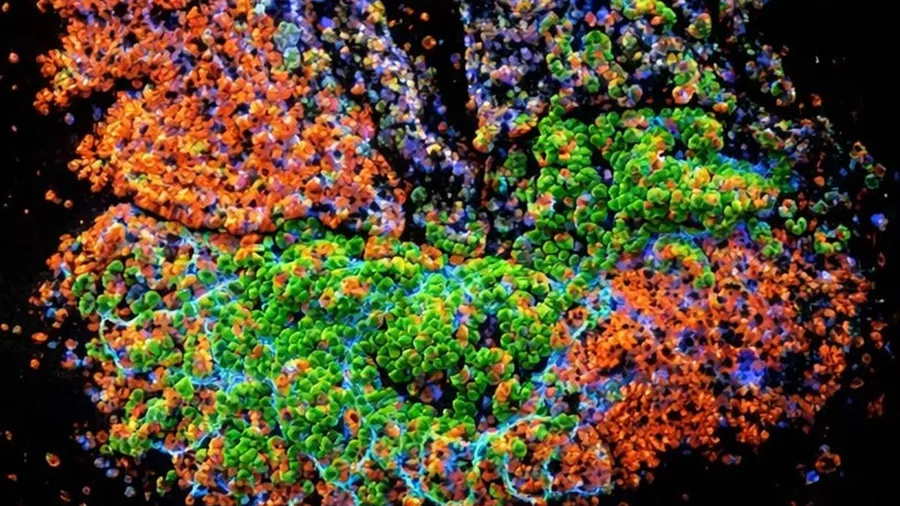
The body’s “killer” T cells don’t just attack—they strike with astonishing precision, forming a tiny, highly organized contact zone that lets them destroy dangerous cells without harming their neighbors. Now, scientists have captured this process in unprecedented detail, revealing a hidden world of molecular choreography.
A new study reveals that high doses of antioxidants—often seen as harmless or beneficial—may actually impact future generations. Male mice given common supplements like NAC produced offspring with subtle but significant facial and skull changes. Researchers believe this is tied to altered sperm DNA, even though the fathers showed no outward health issues.
Your morning coffee or tea could be quietly supporting your brain health. A long-term study found that moderate consumption of caffeinated coffee or tea was linked to an 18% lower risk of dementia and better cognitive performance over time. The benefits appeared strongest at 2–3 cups of coffee or 1–2 cups of tea daily—and even held true for people genetically predisposed to dementia.
Scientists have uncovered new genetic rules that determine whether the immune system’s “killer” T cells remain powerful long-term defenders or become worn out and ineffective. By building a detailed genetic atlas of CD8 T cell states, researchers identified key molecular switches that push these cells toward either resilience or exhaustion. Remarkably, disabling just two previously unknown genes …
Researchers are developing a two-part therapy for type 1 diabetes: lab-made insulin-producing cells paired with custom-engineered immune cells that protect them. The goal is to stop the immune system from destroying transplanted cells — without using immunosuppressive drugs. Backed by $1 million in funding, the team hopes to create a ready-to-use treatment that could work even for people who have…
That photogenic cup of bubble tea may come with hidden downsides. Tapioca pearls made from cassava can absorb heavy metals like lead, and in large amounts they may slow digestion or even cause blockages. The drink is often loaded with sugar—sometimes more than soda—raising risks for cavities, obesity, diabetes, and fatty liver disease. There are even reports linking frequent consumption to kidney…
A new human study has uncovered how the body naturally turns off inflammation. Researchers found that fat-derived molecules called epoxy-oxylipins rein in immune cells that can otherwise drive chronic disease. Using a drug to boost these molecules reduced pain faster and lowered harmful inflammatory cells. The discovery could pave the way for safer treatments for arthritis, heart disease, and oth…
A parasite that may already be hiding in your brain has a shocking survival trick: it can infect the very immune cells sent to destroy it. Yet most people never get sick, and new research from UVA Health reveals why. Scientists discovered that when Toxoplasma gondii invades CD8+ T cells — key defenders of the immune system — those cells can trigger a self-destruct mechanism powered by an enzyme c…
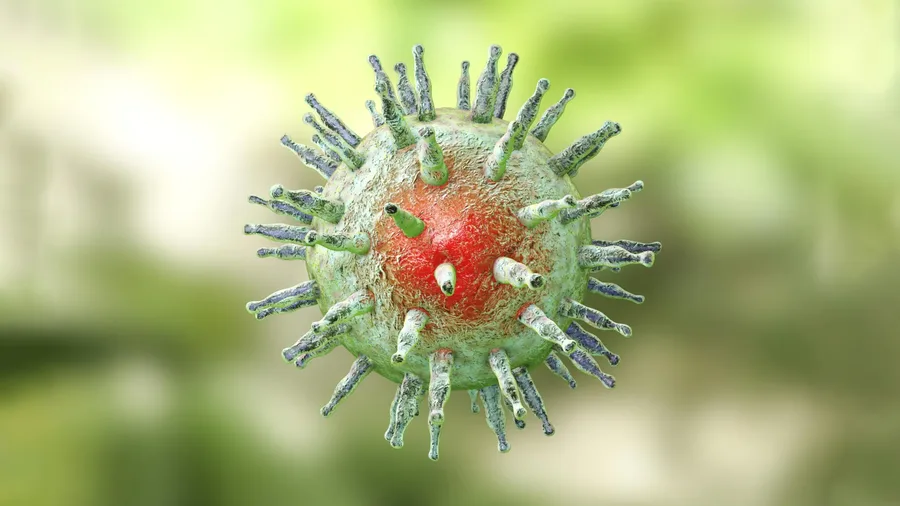
New research suggests that Epstein-Barr virus may actively provoke the immune system in people with multiple sclerosis. Scientists found large buildups of virus-targeting immune cells in the nervous systems of MS patients, far more than in their blood. One viral gene was active only in people with MS, hinting at a direct role in the disease. The findings could help guide new approaches to treatme…
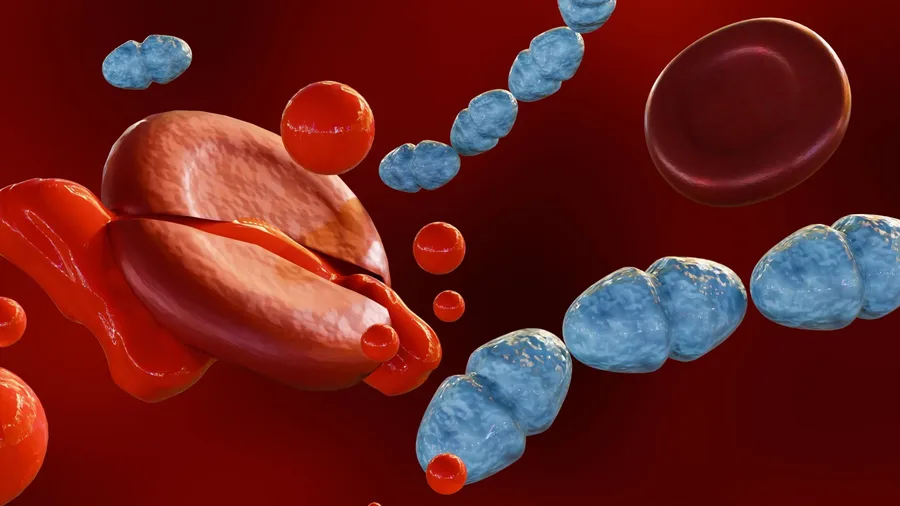
A new drug developed by Australian researchers has shown promising results in reducing sepsis in a Phase II clinical trial involving 180 patients. The carbohydrate-based treatment works by calming a dangerous immune reaction that can cause organ failure. With no specific anti-sepsis therapy currently available, the findings mark a major step forward. Researchers now aim to move into Phase III tri…
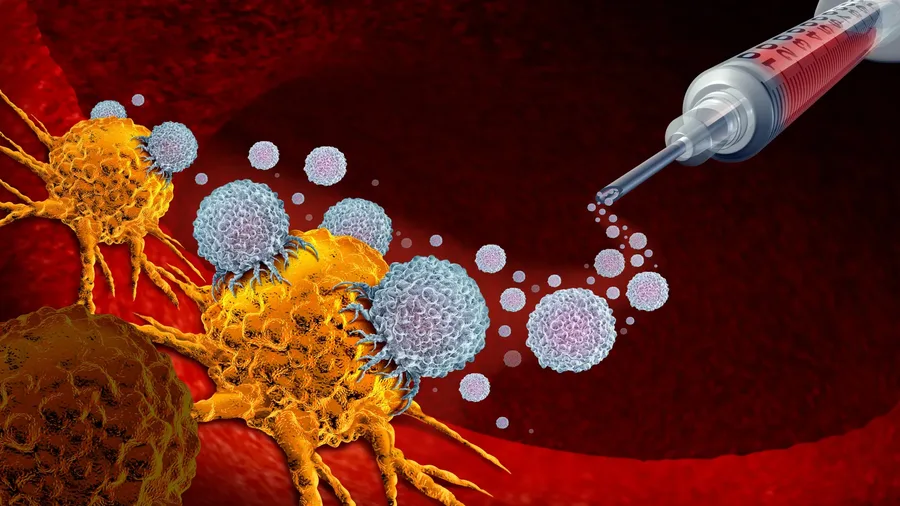
Two decades after a breast cancer vaccine trial, every participant is still alive—an astonishing result for metastatic disease. Scientists found their immune systems retained long-lasting memory cells primed to recognize cancer. By enhancing a key immune signal called CD27, researchers dramatically improved tumor elimination in lab studies. The findings suggest cancer vaccines may have been missi…
Drinking tea, particularly green tea, is linked to better heart health, improved metabolism, and lower risks of chronic diseases like diabetes and cancer. It may also help protect the brain and preserve muscle strength as people age. However, processed teas—such as bottled and bubble varieties—often contain sugars and additives that may cancel out these benefits. Moderation and choosing freshly b…
Asthma may not be driven by the molecules scientists have blamed for decades. Researchers have identified “pseudo leukotrienes,” inflammation-triggering compounds formed by uncontrolled free-radical reactions rather than normal enzymes. These molecules were found at much higher levels in people with asthma, closely tracking how severe their symptoms were. The finding hints at a new way to treat a…
A newly uncovered immune chain reaction in the gut may explain why people with inflammatory bowel disease face a much higher risk of colorectal cancer. Researchers found that a powerful inflammatory signal flips on specialized gut immune cells, which then call in waves of white blood cells from the bone marrow and rewire them in ways that help tumors grow. This process appears to damage DNA in th…
Aging immune cells may be sabotaging the body from within. Researchers found that macrophages produce a protein that locks them into a chronic inflammatory state, making infections like sepsis more deadly in older adults. Turning off this signal reduced inflammation and improved survival in older models. The findings hint at future treatments that could dial back harmful immune overreactions.








 research.io