
obesity
Cardiovascular-kidney-metabolic syndrome, often called CKM syndrome, is a relatively new term that many people have never heard of. Yet health experts believe it may become one of the most important health concepts of the coming decades. CKM syndrome is not a single disease. Instead, it describes the close connection between excess body fat, diabetes, heart […] The post CKM Syndrome: The Hidden L…
Once-daily oral elecoglipron produced dose-dependent weight loss in adults with obesity or overweight without diabetes, with mean reductions reaching 10.5% at 26 weeks and 11.8% at 36 weeks in the highest-dose weekly-titration group. The phase 2 trial found no evidence of a weight-loss plateau by 36 weeks, while gastrointestinal adverse events were common but generally manageable.
A newly developed pill may offer a completely different way to treat type 2 diabetes and obesity, according to research published in the journal Cell. Scientists from Karolinska Institutet and Stockholm University say the experimental treatment could help people improve blood sugar control and lose unhealthy body fat without some of the drawbacks seen with […] The post New Diabetes Pill Could Hel…
The rise of weight-loss injections has transformed obesity treatment in a way few experts predicted just a few years ago. Medications such as Wegovy, Ozempic, Zepbound, and Mounjaro have helped many people lose substantial amounts of weight when diet and exercise alone were not enough. Now, researchers have uncovered evidence suggesting that these medicines may […] The post Could Weight-Loss Inje…
The rise of powerful weight-loss medications has changed the way obesity is treated. Drugs such as tirzepatide can help people lose large amounts of weight, often producing results that were difficult to achieve with traditional approaches alone. These medications are helping many individuals reduce their risk of obesity-related conditions and improve their quality of life. […] The post A New Way…
npj Science of Food, Published online: 05 June 2026; doi:10.1038/s41538-026-00923-3 Anti-obesity mechanisms of adzuki bean saponin: a multi-omics and experimental study
npj Science of Food, Published online: 04 June 2026; doi:10.1038/s41538-026-00914-4 Green tea catechin EGCG attenuates hippocampal atrophy and cognitive impairment in obesity via autophagy signaling
npj Science of Food, Published online: 04 June 2026; doi:10.1038/s41538-026-00915-3 Efficacy of Lactococcus lactis WiKim0124 in Fat-, Sucrose-, and Fat/Sucrose-Induced Obesity Models
BackgroundObesity involves microbiota dysbiosis, low-grade inflammation, and insulin resistance, which interacts with multiple metabolic disorders. Fecal microbiota transplantation (FMT) is an emerging therapeutic approach in obesity that enhances intestinal barrier function and regulates energy metabolism.AimTo provide a comprehensive overview of publication trends, research collaborations, hots…
Weight-loss drugs have transformed the treatment of obesity in recent years. Medications such as tirzepatide can help people lose a significant amount of body weight, often far more than what can be achieved through diet and exercise alone. These treatments have given new hope to millions of people struggling with obesity and its related health […] The post New Drug May Help People Lose Fat While…
Obesity is a multifactorial chronic disease whose worldwide prevalence in adults has more than doubled since 1990, demanding a shift from reactive treatment towards early, personalised prevention. Artificial intelligence (AI) provides a methodological pathway for this shift by integrating heterogeneous, longitudinal evidence—genomic, metabolomic, electronic health record (EHR), wearable Internet-…
An endocrinologist’s new weight-care system halted population-level weight gain and could reshape obesity treatment across America. For years, endocrinologist Leigh Perreault, MD, believed there had to be a more effective way to help people manage their weight than simply advising them to eat healthier and exercise more. “There was a moment I put my face [...]
Nature Medicine, Published online: 07 June 2026; doi:10.1038/s41591-026-04479-3 As presented at the American Diabetes Association Meeting, in this phase 3 trial, weekly subcutaneous injections of survodutide, a glucagon receptor/GLP-1R dual agonist, lowered liver fat content and body weight compared to placebo in adults with obesity and at-risk metabolic dysfunction-associated steatotic liver dis…
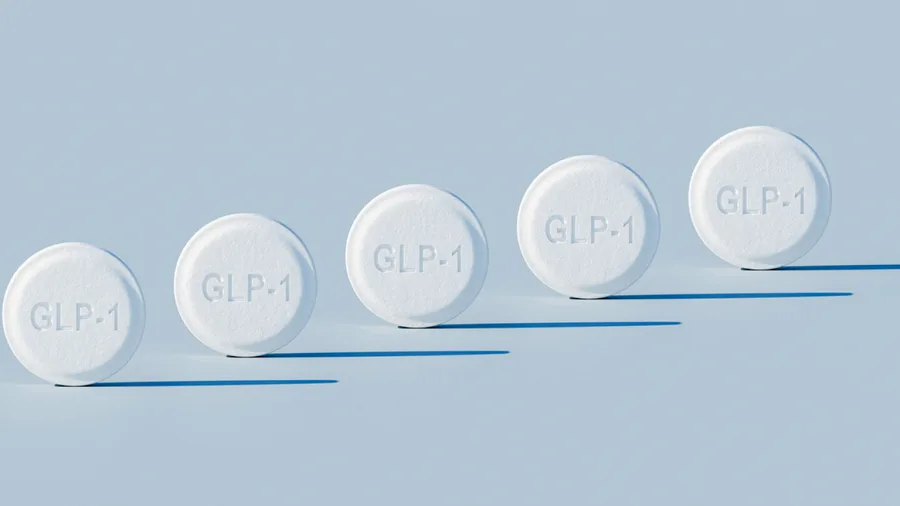
Nature Medicine, Published online: 05 June 2026; doi:10.1038/s41591-026-04476-6 As presented at the American Diabetes Association Meeting: this randomized phase 2b trial in 230 adults with overweight or obesity shows that aleniglipron, an oral small-molecule GLP1-RA, led to up to 11.3% body-weight loss compared with placebo after 36 weeks of treatment.
(Axios) – The obesity-drug race is becoming less about losing weight and more about keeping it off. Why it matters: As more GLP-1 drugs deliver eye-popping results, the next winners may be determined by convenience, affordability and whether patients keep … Read More
When people think about obesity, they often think about serious medical conditions such as diabetes, heart disease, and high blood pressure. Yet obesity can also affect daily life in ways that are less visible but equally important. Simple activities such as vacuuming the house, carrying shopping bags, doing laundry, or working in the garden can […] The post Weight-Loss Surgery May Make Everyday …
A new AI framework called MouseMapper allows scientists to examine disease-related changes across the entire body at cellular resolution. Obesity does much more than affect metabolism and fat storage. It also changes immune activity, nerve structure, and tissue organization throughout the body, raising the risk of conditions such as type 2 diabetes, cardiovascular disease, stroke, [...]
A brief research report estimated how common "clinical obesity" is in the United States using a broader definition that combines body measurements with evidence of obesity related health conditions, rather than defining obesity using body mass index (BMI) alone.
A new study from Keck Medicine of USC quantifies how often BMI may miss cases of obesity. The research shows that one quarter of people considered to have a normal (healthy) BMI meet the standard of clinical obesity. And 50% of those deemed overweight by their BMI would be reclassified as obese.
research.ioSign up to keep scrolling
Create your feed subscriptions, save articles, keep scrolling.