Biotechnology and Bioengineering News -- ScienceDaily
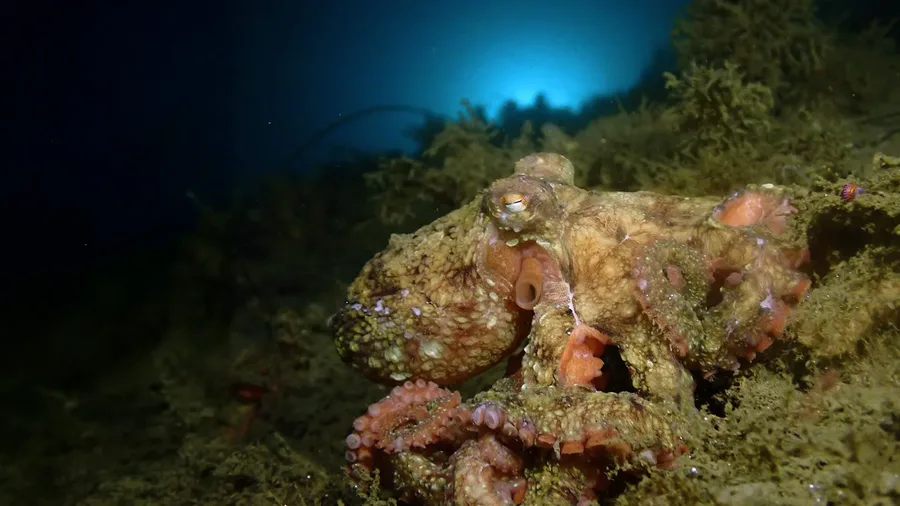
Researchers at UC San Diego have figured out how to get bacteria to produce xanthommatin, the pigment that lets octopuses and squids camouflage. By linking the pigment’s production to bacterial survival, they created a self-sustaining system that boosts yields dramatically. This biotechnological leap could revolutionize materials science, cosmetics, and sustainable chemistry.
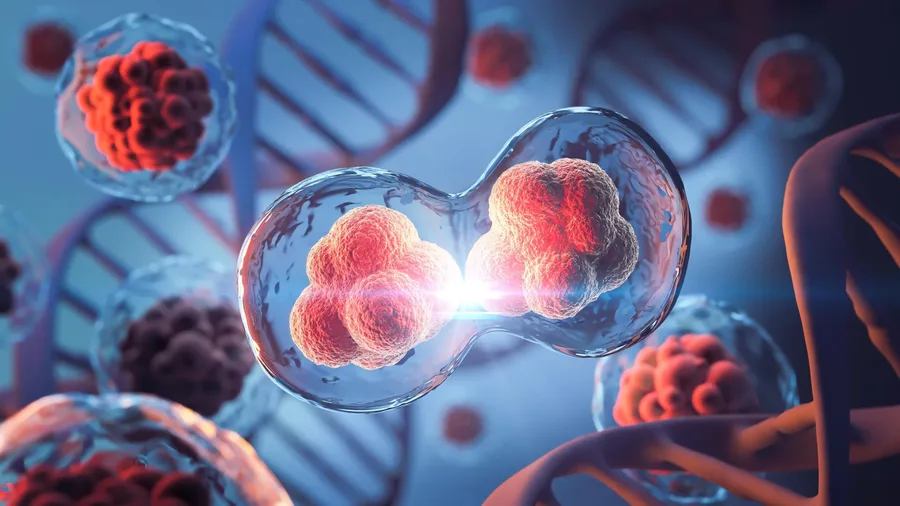
MIT researchers discovered that the genome’s 3D structure doesn’t vanish during cell division as previously thought. Instead, tiny loops called microcompartments remain (and even strengthen) while chromosomes condense. These loops may explain the brief surge of gene activity that occurs during mitosis. The finding redefines how scientists understand the balance between structure and function in d…
Researchers at Scripps have created T7-ORACLE, a powerful new tool that speeds up evolution, allowing scientists to design and improve proteins thousands of times faster than nature. Using engineered bacteria and a modified viral replication system, this method can create new protein versions in days instead of months. In tests, it quickly produced enzymes that could survive extreme doses of anti…

Researchers find high-fat diets set off metabolic dysfunction in cells, leading to weight gain, but these effects can be reversed by treatment with an antioxidant.

A new study proves that a type of genetic element called 'introners' are the mechanism by which many introns spread within and between species, also providing evidence of eight instances in which introners have transferred between unrelated species in a process called 'horizontal gene transfer,' the first proven examples of this phenomenon.

A recent study marks the first reported instance of generative AI designing synthetic molecules that can successfully control gene expression in healthy mammalian cells. As a proof-of-concept, the authors of the study asked the AI to design synthetic fragments which activate a gene coding for a fluorescent protein in some cells while leaving gene expression patterns unaltered. They created the fr…

Scientists inserted DNA-encoding methylmercury detoxification enzymes into the genome of an abundant human gut bacterium. The engineered bacterium detoxified methylmercury in the gut of mice and dramatically reduced the amount that reached other tissues, such as the brain and liver. Mice given an oral probiotic containing the engineered microbe and fed a diet high in bluefin tuna had much lower m…

Researchers have developed silk iron microparticles (SIMPs) -- magnetic, biodegradable carriers designed to deliver therapies directly to disease sites like aneurysms or tumors. The particles are created by chemically bonding iron oxide nanoparticles to regenerated silk fibroin using glutathione, enhancing their magnetic responsiveness while maintaining biocompatibility. These nanoscale carriers,…

A team was able to edit the DNA of Lactobacillus strains directly without a template from other organisms. This technique is indistinguishable from natural variation and enabled the researchers to create a strain that doesn't produce diabetes-aggravating chemicals.
Scientists at INRS have identified a family of enzymes, known as Ssn, that can make targeted cuts in single-stranded DNA—a feat never before achieved. This discovery not only fills a major gap in genetic research but also promises new frontiers in gene editing, diagnostics, and biotechnology.

Scientists have developed an innovative system -- called MetaFlowTrain -- that allows the study of metabolic exchange and interactions within microbial communities under different environmental conditions.

Research into transcription factors deepen understanding of the 'language' of the genome, offering insights into human development.

Could it be that one of only three known markers directly targeting the DNA does not exist outside the realm of microbes? Now, researchers have demonstrated that this marker -- N4-methylcytosine (4mC) -- is essential for sperm development and maturation in the liverwort Marchantia polymorpha, a key organism in plant evolution.

Scientists say they have shed new light on how bacteria protect themselves from certain phage invaders -- by seizing genetic material from weakened, dormant phages and using it to 'vaccinate' themselves to elicit an immune response.

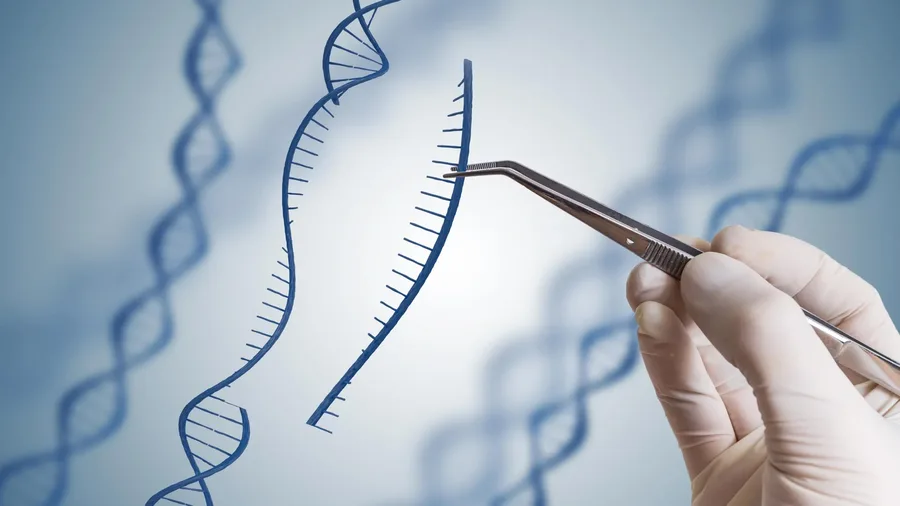
Advances in the gene-editing technology known as CRISPR-Cas9 over the past 15 years have yielded important new insights into the roles that specific genes play in many diseases. But to date this technology -- which allows scientists to use a 'guide' RNA to modify DNA sequences and evaluate the effects -- is able to target, delete, replace, or modify only single gene sequences with a single guide …

In the microscopic world of bacteria, gene transfer is a powerful mechanism that can alter cellular function, drive antibiotic resistance and even shape entire ecosystems. Now an interdisciplinary group of researchers has developed an innovative RNA 'barcoding' method to track these genetic exchanges in microbial communities, providing new insights into how genes move across species.

Researchers have discovered a handful of new CRISPR-Cas systems that could add to the capabilities of the already transformational gene editing and DNA manipulation toolbox. Of the new recruits, one system from bacteria commonly found in dairy cows shows particular promise for human health.

Transposons, or 'jumping genes' -- DNA segments that can move from one part of the genome to another -- are key to bacterial evolution and the development of antibiotic resistance. Researchers have discovered a new mechanism these genes use to survive and propagate in bacteria with linear DNA, with applications in biotechnology and drug development.

research.ioSign up to keep scrolling
Create your feed subscriptions, save articles, keep scrolling.