Nature Communications, Published online: 22 August 2026; doi:10.1038/s41467-026-76911-8 How chromatin organization influences developmental decisions remains poorly understood. Here the authors report a chromatin organizer that maintains higher-order genome organization and coordinated gene expression to balance cell division and differentiation in plants.
Nature Communications, Published online: 22 August 2026; doi:10.1038/s41467-026-77056-4 The nuclear hormone receptor NHR-49 regulates nutrition sensing and fatty acid metabolism in Caenorhabditis elegans. Here the authors show that NHR-49 activity in somatic cells regulates oocyte activation according to nutritional cues.
Most people assume a father’s depression shapes his children through behavior and example. A new review suggests the biology runs far deeper and starts far earlier.
In a new research report, scientists at Johns Hopkins Medicine say they have developed a technology that allows them to capture a 3D molecular "snapshot" of hundreds of hair follicles as they develop and then reconstruct the fourth dimension - time - to effectively create a stop-motion animation of how this organ forms.
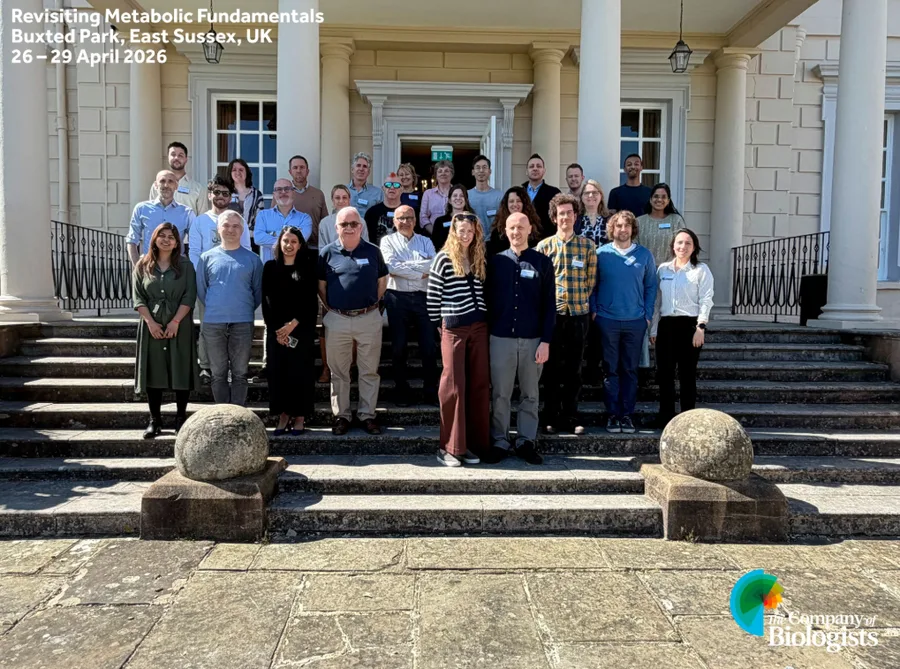
On 26 April, a sun-drenched country hotel in East Sussex set the stage for an intensive three-day workshop that brought together 30 leading metabolism researchers across cell biology, mitochondrial biology, developmental biology, cancer biology and systems biology. Organised by Lydia Finley and Wilhelm Palm, the meeting provided a forum for sharing unpublished findings, assessing the [...] The po…
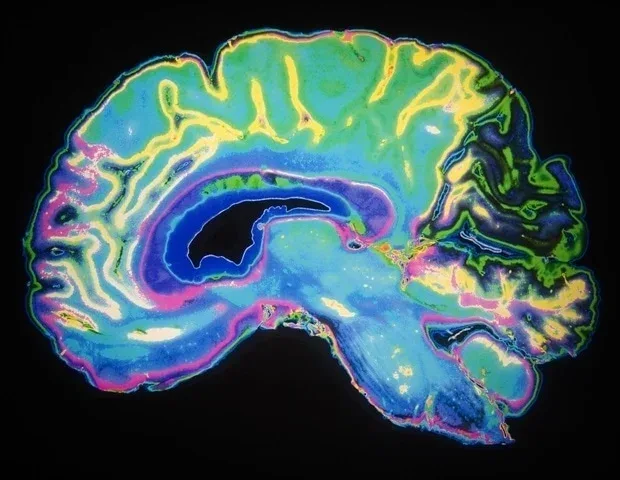
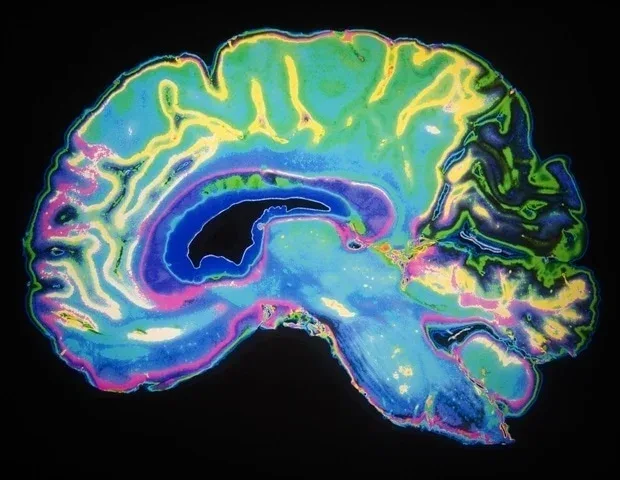
How does autism manifest in the brain? Researchers from the University of Southern Denmark and Odense University Hospital have investigated this question in a new study involving 60 adults.
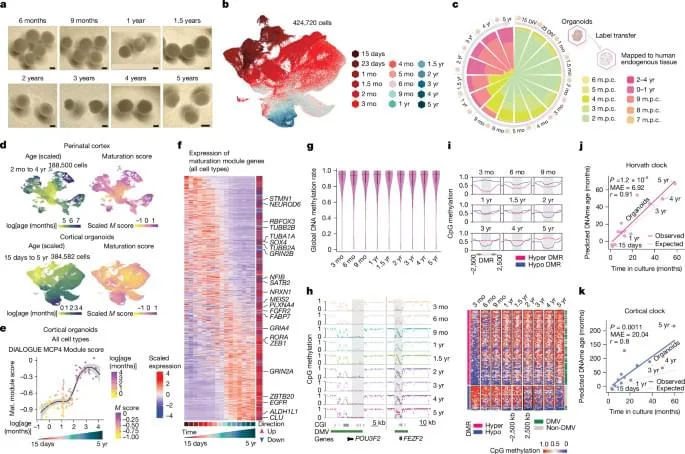
Researchers kept human brain organoids developing for over five years, revealing prolonged maturation that mirrors human brain development and creating new opportunities to study disorders and test drugs. The post Five-Year Brain Organoids Reveal New Insights Into Human Development appeared first on GEN - Genetic Engineering and Biotechnology News .
By using chemical signals to guide cells to adopt distinct regional identities, scientists created lab-grown human organoids that mimic early brain development and could illuminate how specialized brain areas emerge. The post Lab-Grown Neocortex Models Mimic Early Brain Organization appeared first on GEN - Genetic Engineering and Biotechnology News .
Children growing up without a father in the home during their first year may experience earlier signs of puberty. A recent study published in the Biology of Sex Differences suggests early family environments relate to long-term biological development.
In a new research report, scientists at Johns Hopkins Medicine say they have developed a technology that allows them to capture a 3D molecular "snapshot" of hundreds of hair follicles as they develop and then reconstruct the fourth dimension -- time -- to effectively create a stop-motion animation of how this organ forms.
In a new research report, scientists at Johns Hopkins Medicine say they have developed a technology that allows them to capture a 3D molecular "snapshot" of hundreds of hair follicles as they develop and then reconstruct the fourth dimension -- time -- to effectively create a stop-motion animation of how this organ forms.
Thirty years ago, an insight from a rare brain disease took Robert Darnell's career in an unexpected direction. He's still surprised by what he's learning.
Human brain organoids were developed for over five years in culture to demonstrate that brain cells can continue to mature and record the passage of time, following human-specific endogenous programs, even outside the context of the organism.




 research.io