The field of regenerative medicine is gaining momentum. Mesenchymal stem cells (MSCs) remain central to this field, with expanding applications as direct therapies and as producers of MSC-derived extracellular vesicles (MSC-EVs). This article examines the biological and regulatory factors shaping their promise. The post Regenerative Medicine in the Bronze Age: MSCs and MSC-EVs Leading the Way app…
Nature Communications, Published online: 29 August 2026; doi:10.1038/s41467-026-77032-y Volumetric muscle loss remains a significant unmet clinical need. Herein, the authors report a yarn scaffold based on decellularized extracellular matrix fabricated via 3D weaving of rotary-cut yarns, which achieves precise structural control, full interconnectivity, and high porosity.
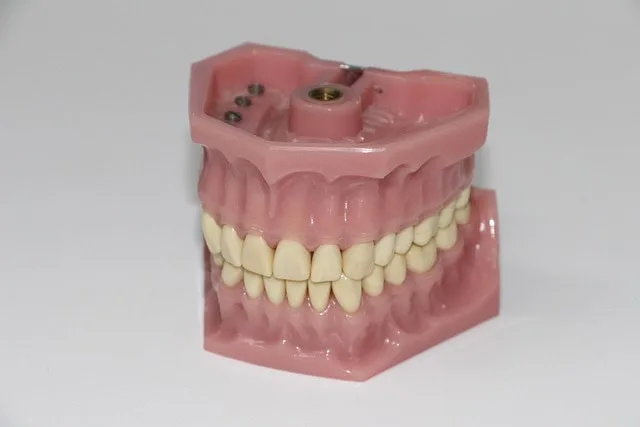
Researchers have taken another step toward the possibility of regrowing teeth, developing a method that transforms human stem cells into enamel-producing cells that could eventually be used to regenerate damaged or missing tooth structure. The study, published in the International Journal of Oral Science, investigated how scientists could guide human stem cells toward becoming ameloblasts, the [……
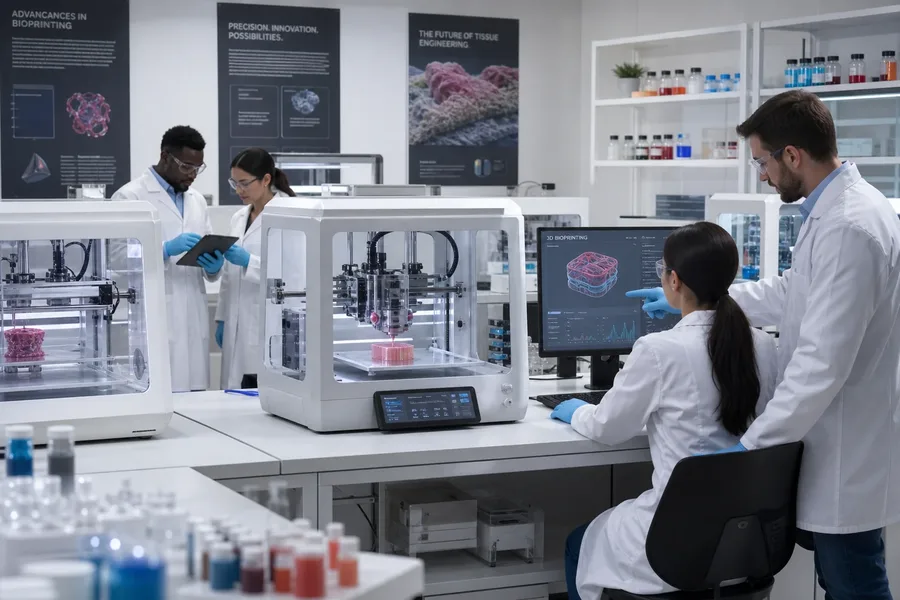
The global bioprinting market sits at a compelling intersection of biology, materials science, and precision manufacturing. Demand is rising across pharmaceutical research, regenerative medicine, and organ transplantation as bioprinted tissue constructs prove their value as alternatives to animal models and donor tissues. Legislative pressure on animal testing in cosmetics, a persistent organ don…
A dual stem cell scaffold improved vision and eye surface scores in a small first-in-human trial for aniridia-related keratopathy. For people with ARK (aniridia-related keratopathy), progressive damage to the eye’s surface can gradually cloud the cornea and severely reduce vision. In a first-in-human clinical trial at Moorfields Eye Hospital and University College London (UCL), a […]
Keolebogile Shirley Motaung·...·Tshwane University of Technology
23d ago
Tissue engineering and regenerative medicine is based on three key requirements working together: signals from body tissues and organs, responding stem cells, and scaffolds.
A highly anticipated drug trial is in its final stages as its 350 participants receive their single dose to treat chronic low back pain. If successful, the experimental medication could be a breakthrough therapeutic for people with the common but debilitating condition. Continue Reading Category: Chronic Pain , Illnesses and conditions , Body and Mind , Refractor: Science & Health Tags: Cells , B…
Traumatic brain injury (TBI) remains a major unmet clinical challenge owing to its complex pathophysiology, profound heterogeneity, and limited regenerative capacity of the adult central nervous system (CNS). Existing therapeutic interventions are largely restricted to supportive management and fail to adequately address the secondary injury cascade characterized by persistent neuroinflammation, …
Keratin extracted from sheep’s wool helped damaged bone regenerate in animals, producing tissue that was more organized and structurally similar to healthy bone than tissue grown with conventional collagen scaffolds. The discovery could turn an abundant agricultural byproduct into a promising new material for regenerative medicine.
Keratin extracted from sheep’s wool helped damaged bone regenerate in animals, producing tissue that was more organized and structurally similar to healthy bone than tissue grown with conventional collagen scaffolds. The discovery could turn an abundant agricultural byproduct into a promising new material for regenerative medicine.
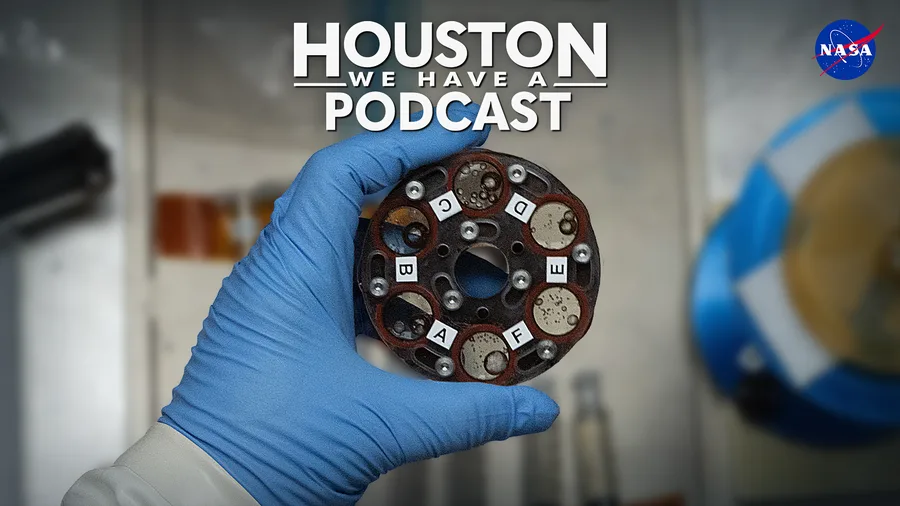
Dr. Abba Zubair discusses how stem cell research aboard the International Space Station is advancing regenerative medicine and what scientists learned from a recently published study. Episode 432 The post ISS Results: Stem Cells in Space appeared first on NASA Science .
Spinal cord injuries affect an estimated 15 to 20 million people worldwide, often causing lasting impairments in movement, sensation, and independence.
He makes sure to tell people he did not make embryos. Friends, I did NOT create a human clone. What I did create are induced pluripotent stem cells (iPSCs) — cells that can potentially become many different cell types and may one day help repair the body. It’s one of the most promising technologies in […]
(BBC) – That’s because Ruohola-Baker is part of a growing number of scientists worldwide harnessing the power of regenerative medicine to replace traditional dental procedures for the millions of people who are missing teeth and managing tooth pain. If their … Read More
Welcome to functional immortality, folks. I say functional rather than absolute because no one will ever REALLY live FOREVER. Even if we can reverse aging and become immune to all diseases (which is exactly what is happening right now even as I write this) there will still be accidents, suicides, wars, and murders. — Still…a […]
Major liver surgery places extraordinary demands on the body. Although the liver is famous for its ability to regenerate, rebuilding lost tissue requires huge amounts of energy, healthy cells, and careful coordination inside the organ. Scientists are increasingly exploring whether they can strengthen the liver before surgery instead of focusing only on recovery afterward. A […] The post Supplemen…
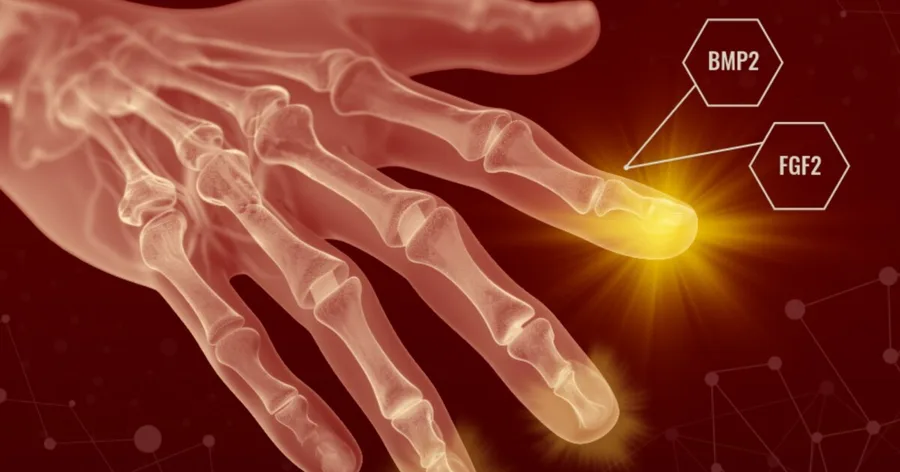
The permanent loss of amputated digits and limbs is the cost of being human. While worms, amphibians, fish and echinoderms all contain species capable of regenerating body parts, few mammals have the knack. Continue Reading Category: Biology , Science Tags: Regenerative Medicine , Mice , wound-healing , Scarring , Texas A&M Universty , Marine Biology , Skin , Bones




 research.io