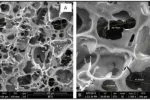
[iScience] Researchers developed degradable amorphous silica fiber scaffolds that actively support biomineral nucleation and growth while maintaining long-term stability. The scaffolds degraded linearly over 40 weeks, and biomineralization enhanced compressive modulus by more than 100%.
Abstract: Cardiovascular disease, including myocardial infarction (MI) and heart failure (HF), remains a major cause of death globally. The irreversible and progressive damage of a failing heart is due to its limited regenerative capacity, and a heart transplant remains the gold-standard treatment for end-stage HF patients. A heart transplant is available to only a few […]
[iScience] Researchers investigated whether sheets derived from hiPSC-derived mesenchymal progenitor cells (MPCs) can survive and form tissue-like structures after xenotransplantation. demonstrate that hiPS-MPC sheets generate vascularized tissues in vivo and support survival across species.
Nature Communications, Published online: 29 August 2026; doi:10.1038/s41467-026-77032-y Volumetric muscle loss remains a significant unmet clinical need. Herein, the authors report a yarn scaffold based on decellularized extracellular matrix fabricated via 3D weaving of rotary-cut yarns, which achieves precise structural control, full interconnectivity, and high porosity.
A team at BITS Pilani’s K.K. Birla Goa Campus has developed a 3D printable hydrogel from pharmaceutical-grade polymers and used it to print both skin tissue scaffolds and customized chewable drug tablets.  Published in the Journal of Biological Engineering, the hydrogel combines three ingredients already used in drug manufacturing. Starch 1500 (a modified maize starch…
[Biofabrication] Scientists developed a one-step coaxial bioprinting strategy to create aligned, vascularized 3D skeletal muscle constructs, advancing muscle regeneration, disease modeling, and drug screening.
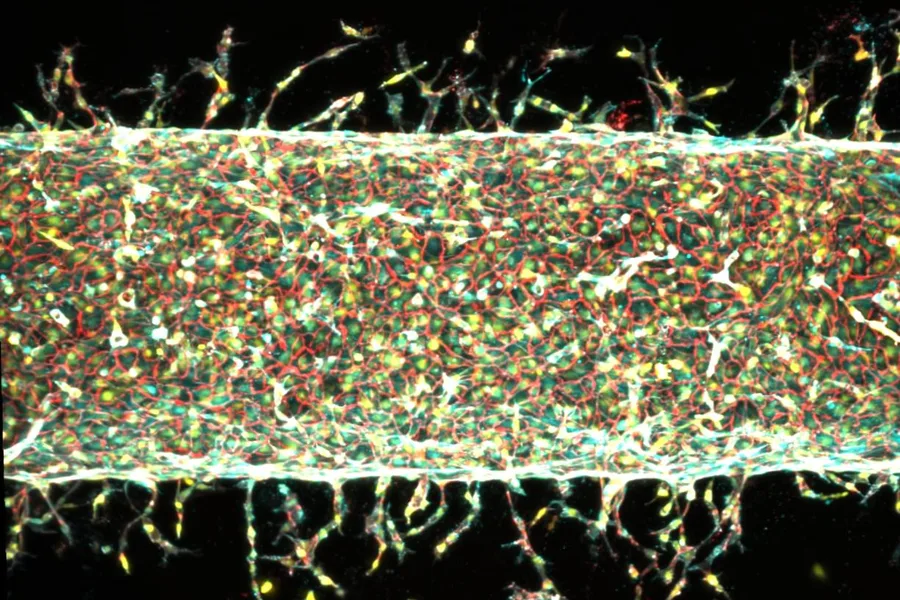
[Angiogenesis] Researchers developed a robust co-culture system of HUVECs and smooth muscle cells to generate stable vascular networks capable of maintaining tissue viability over extended periods.
Keolebogile Shirley Motaung·...·Tshwane University of Technology
24d ago
Tissue engineering and regenerative medicine is based on three key requirements working together: signals from body tissues and organs, responding stem cells, and scaffolds.
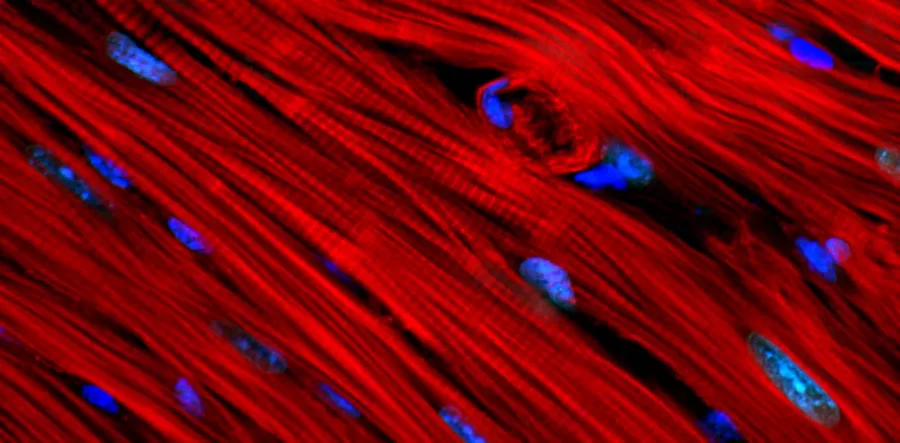
Heart disease can change the genetic structure of heart cells. Understanding the role that mechanical forces play in these changes could lead to improvements in artificial tissue design.
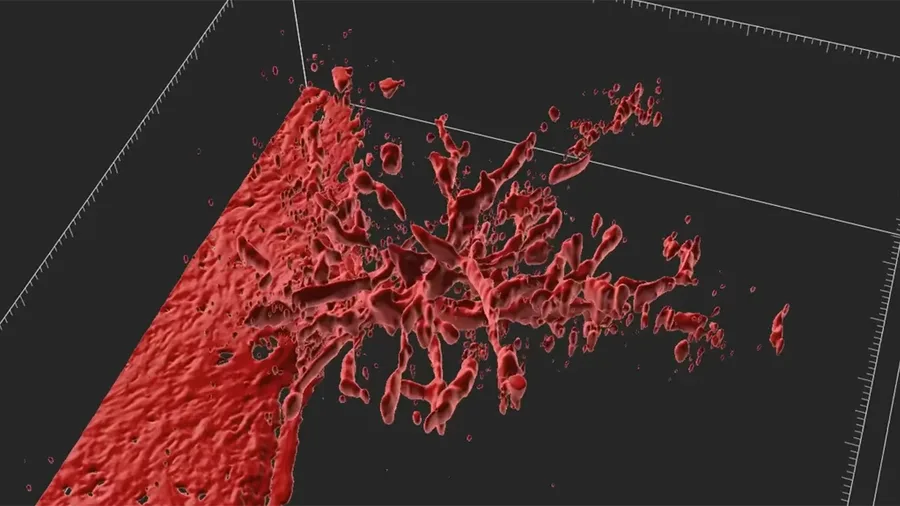
The study’s MIT co-authors include Sina Kheiri, Jessica Shah, Shashaank Venkatesh, and Roger Kamm, along with Peiyuan Chai and Ryan Flynn at Harvard University. “Moving is good” Blood vessels are tricky to grow and control using conventional fabrication techniques. While 3D printers can produce vessels at the scale of major arteries and veins, the technology […]
A new study challenges a 60-year-old assumption about the body’s main structural building block, opening new possibilities for treating fibrosis and cancer. For more than half a century, collagen has been depicted as a long, rigid molecular cable, the structural protein that helps give skin, bones, tendons, and organs their strength. But that familiar image [...]
IMDEA Materials Institute has developed mechanically tunable hydrogel membranes that closely mimic the mechanical environment of human skin while remaining highly biocompatible, representing an improved platform for skin tissue engineering and regenerative medicine.
California-based company Auxilium Biotechnologies just produced kidney and liver tissue in space for the first time, using a method called bioprinting,
Within the broad field of advanced therapies, which includes cell therapy and gene therapy, tissue engineering has emerged as one of the most promising tools for transforming the medicine of the future.
Auxilium Biotechnologies, a clinical-stage biotechnology company, has bioprinted kidney and liver tissue aboard the International Space Station (ISS), marking the first time either tissue type has been manufactured in orbit. The tissues, along with cartilage and 28 nerve repair implants, were produced using the company’s AMP-1 bioprinting platform during Mission AXLM-3, which launched on Sp…




 research.io