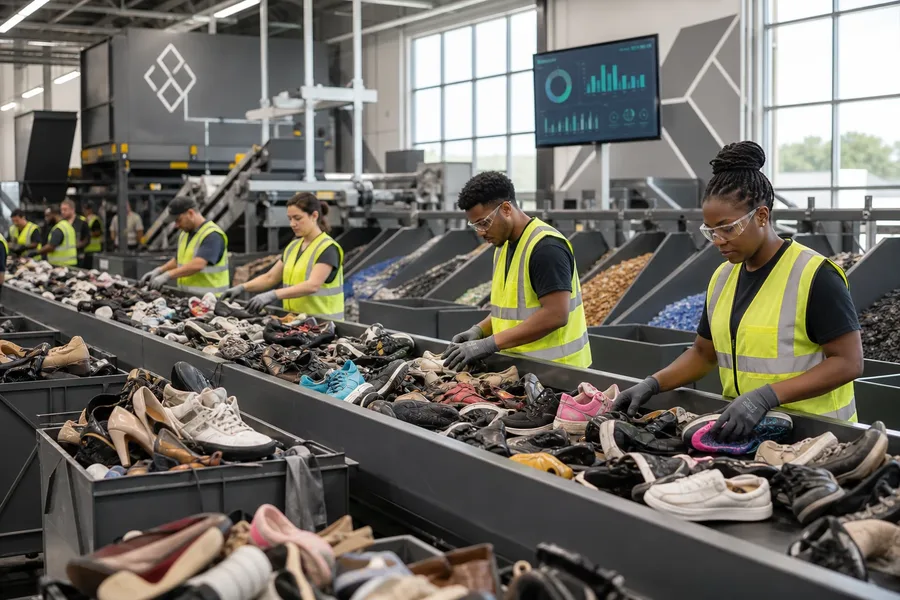
Every year, billions of pairs of shoes reach the end of their useful life and most end up in landfills. Footwear is among the most difficult consumer goods to recycle — a single shoe can contain up to 60 different materials bonded, stitched, and molded together. Growing awareness of this problem, combined with tightening regulation and mounting pressure on brands to account for their products' fu…
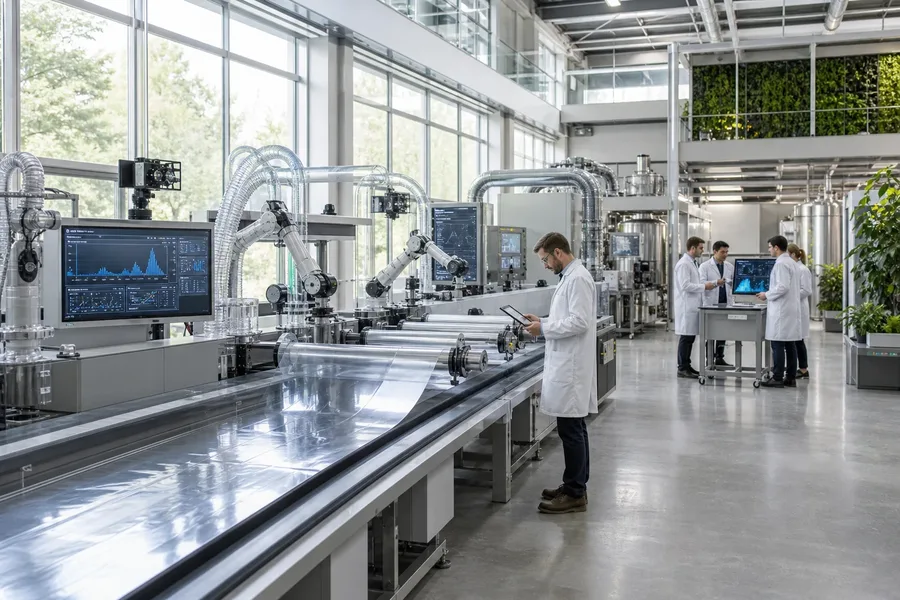
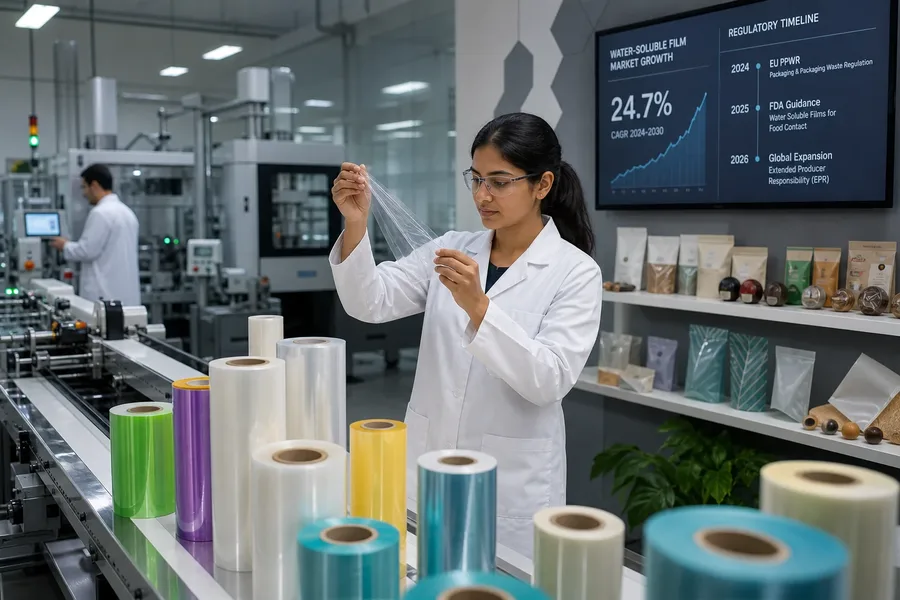
The Water Soluble films industry is undergoing a structural shift. Once viewed mainly as a niche materials category for applications such as detergent pods and pharmaceutical capsules, it is now becoming a proving ground for artificial intelligence in specialty polymer manufacturing. Producers are moving beyond trial-and-error methods and adopting data-driven production systems that use machine l…
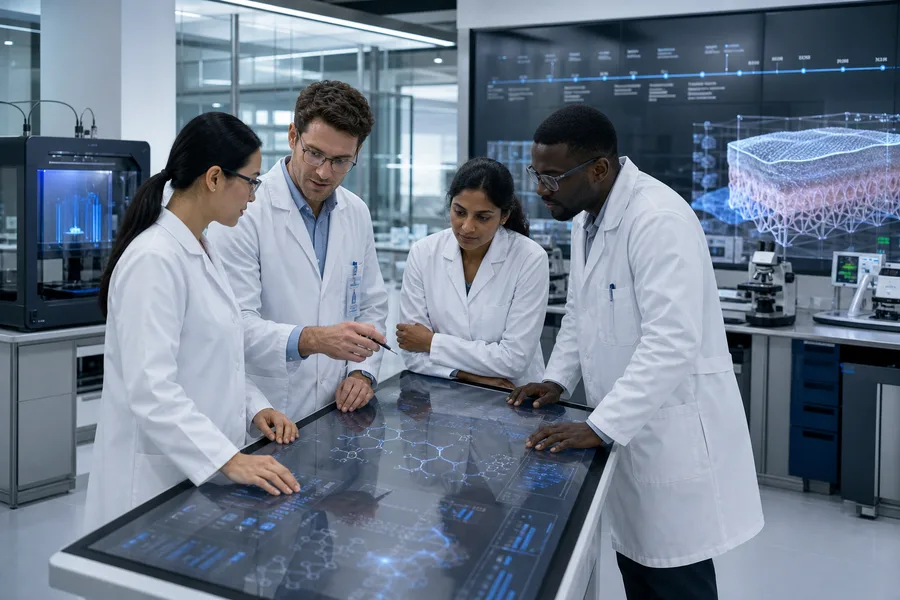
Artificial intelligence is reshaping how topical and transdermal drugs are discovered, formulated, tested, and monitored. What began as isolated experiments in computational chemistry has expanded into a coordinated effort across pharmaceutical companies, CDMOs, dermatology clinics, cosmetics firms, and regulators — all applying AI to solve one of medicine's oldest challenges: getting a drug thro…
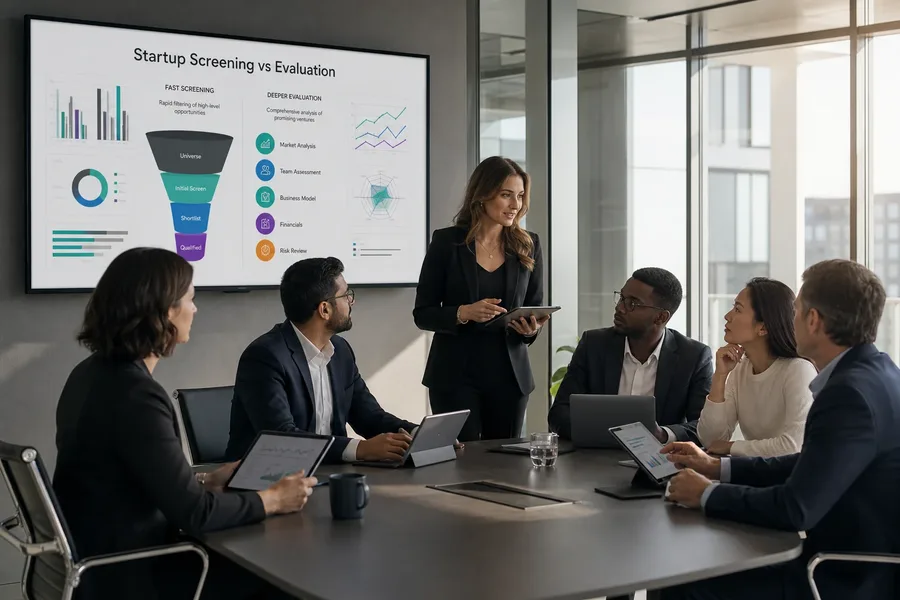
Investors sort through hundreds of startups every year, and the path from first glance to funding decision runs through two distinct phases: screening and evaluation. Each phase calls for different market forecast data . Getting the data priorities wrong at either stage wastes time and money. In this guide, BCC Research breaks down which data inputs drive confident decisions at each step of early…
There's a gap at the heart of the global AI conversation, and it's bigger than most people realize. Governments and corporations are pouring hundreds of billions into artificial intelligence infrastructure, yet U.S. enterprise AI adoption sat below 10% as recently as Q2 2025. The money is moving fast. The transformation? Still catching up.
Most people associate water-soluble films with laundry pods. You know the ones — toss a small capsule into the wash, and the casing dissolves in the machine. But that familiar product is just one small slice of a market quietly reshaping how the world thinks about packaging waste.
Most people don't spend much time thinking about graphite. But if you've charged an electric vehicle, used a smartphone, or benefited from clean energy fed into the grid, you've relied on it. Graphite is one of the most quietly essential materials in the modern energy transition — and the market is growing fast enough that "quietly essential" may not last much longer.
For decades, protein labeling was treated as a preparatory step — something you did before the real science started. Attach a fluorescent dye, run your panel, move on. But as multiplex workflows have scaled into dozens of simultaneous markers per sample, that framing has quietly broken down. The data coming out of modern multiplex immunofluorescence and spatial proteomics experiments has grown to…
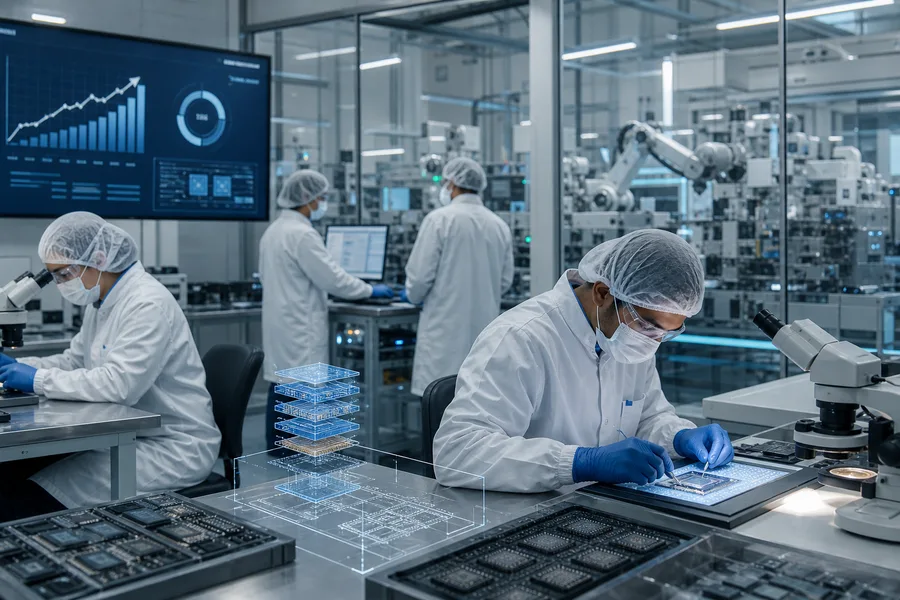
The semiconductor industry has spent decades racing to shrink transistors. Now, that race is hitting physical limits — and the real action has shifted to what happens after the chip is made. Advanced packaging, once a quiet backroom process, has become one of the most strategically contested arenas in global technology.
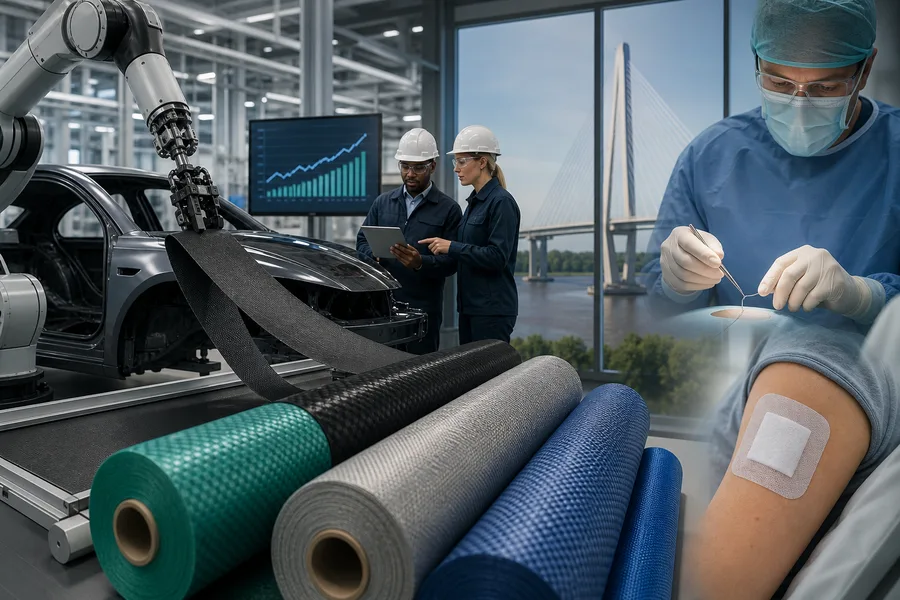
Most people still think of textiles as something you wear. But a growing share of the world's most advanced materials — reinforcing infrastructure, lining electric vehicles, and closing surgical wounds — are made from fabric. Technical textiles quietly sit at the intersection of manufacturing, medicine, and mobility, and they're scaling fast.
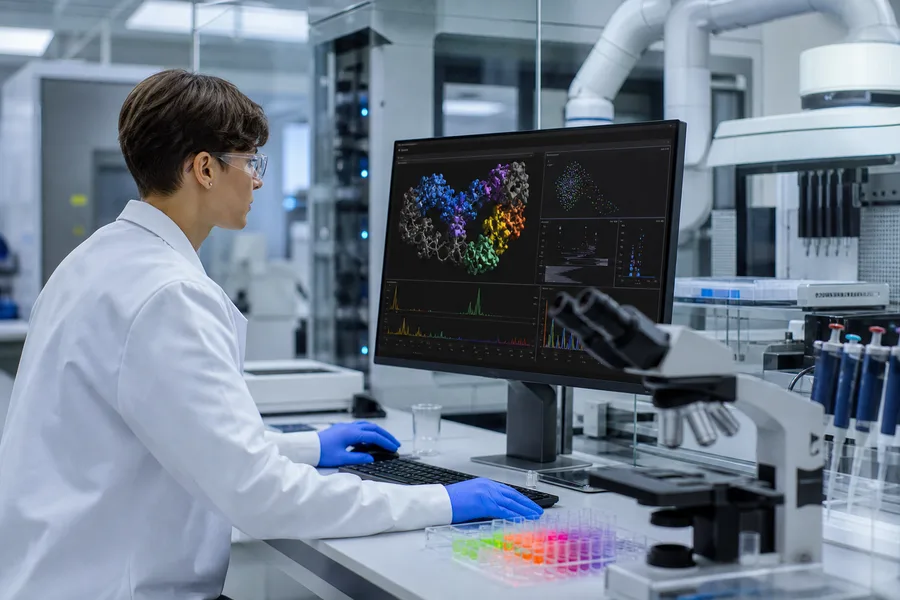
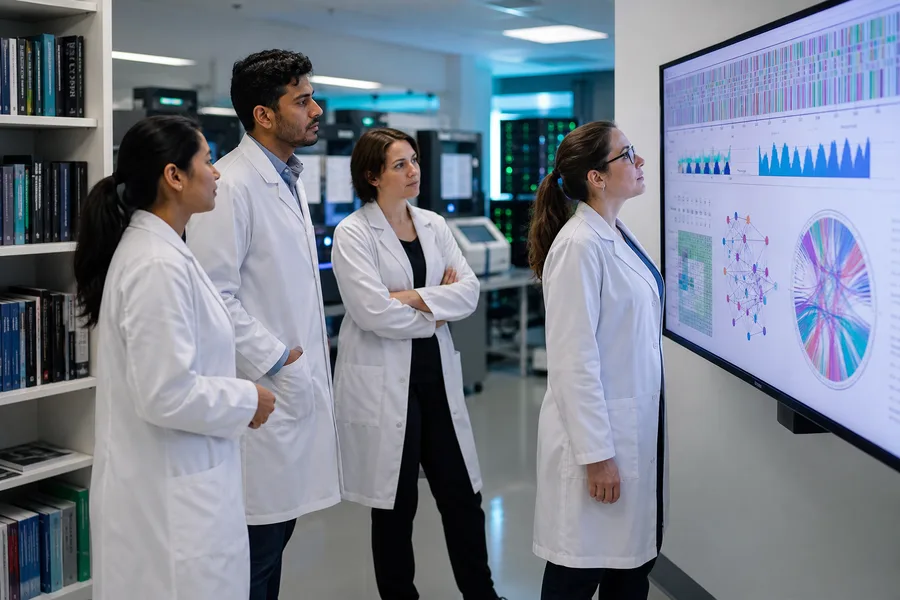
Biology generates data at a scale that would have been unimaginable a decade ago. A single next-generation sequencing run can produce gigabytes of raw genomic information, and multi-omics studies layer on proteomics, transcriptomics, and metabolomics data on top of that. The tools needed to make sense of all this — bioinformatics platforms, pipelines, and services — are fast becoming as important…
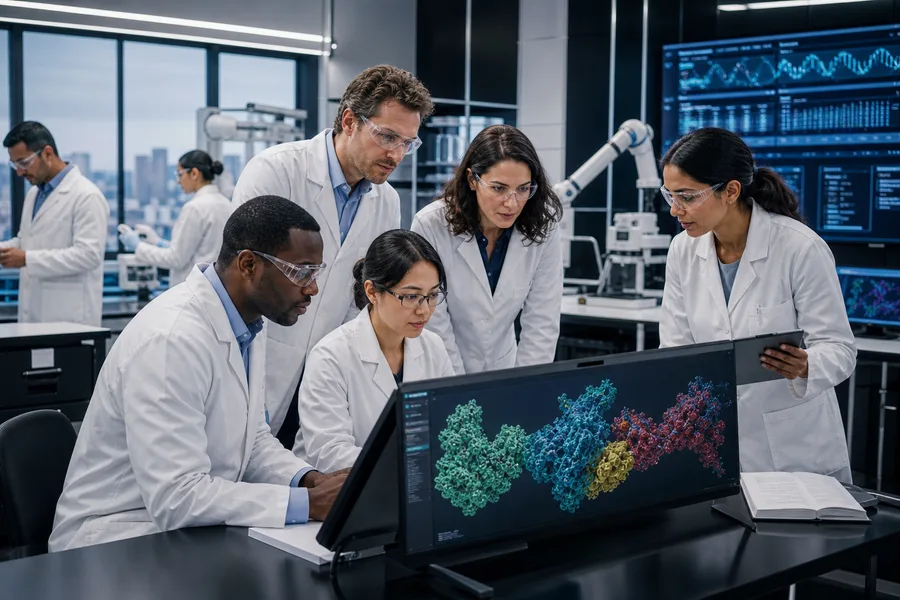
Mapping a single protein structure used to take researchers months or years using techniques like X-ray crystallography or cryo-EM. Now, Google DeepMind's AlphaFold has predicted structures for over 200 million proteins with near-experimental accuracy. That's not an incremental improvement — it's a fundamental shift in what's possible in biology.