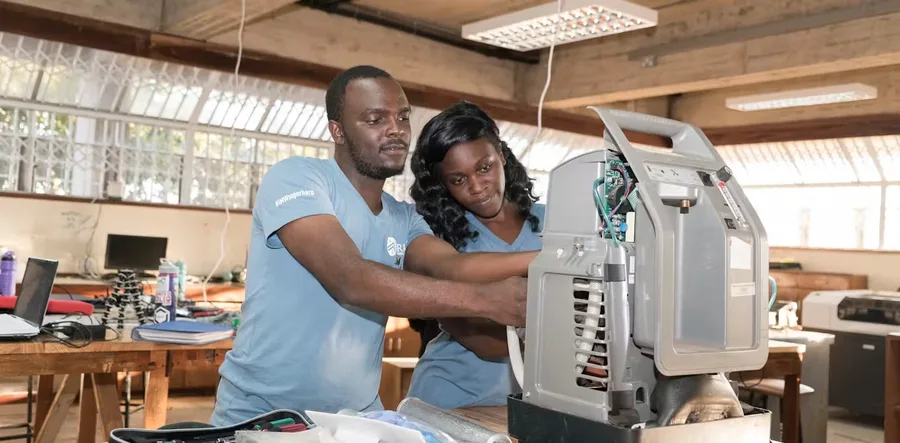
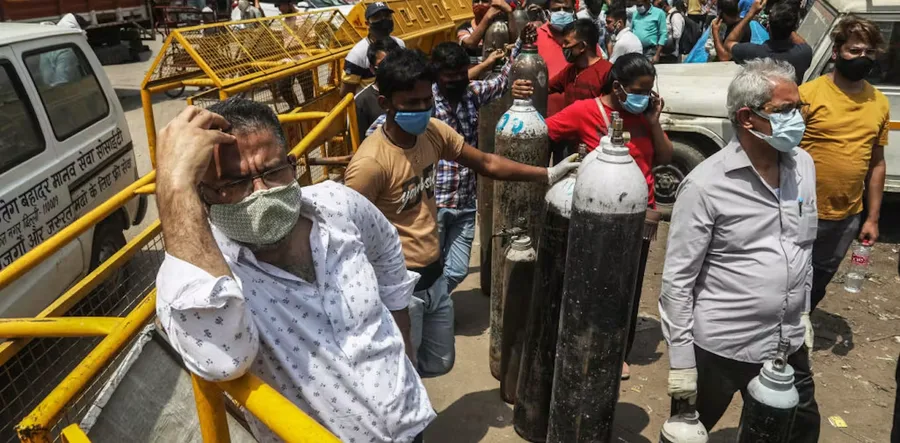
Engineering students in Malawi and Tanzania have used the materials and tools available to them to build ventilators, personal protective equipment and UV disinfection systems.
Felix Atuhaire·...·Mbarara University of Science and Technology
3d ago
Key to diagnosing foetal alcohol syndrome is an assessment of certain facial features. A 3D facial scan is expensive but 2D images may offer a solution.
Highly trained dancers provide insights for researchers helping design improved rehab programs for people with mobility impairments. The next step could include rehab robots as dance partners.
From breast implants to prosthetic knees, implants can trigger a foreign body response that results in your body rejecting them. Suppressing an immune cell gene could reduce this risk.
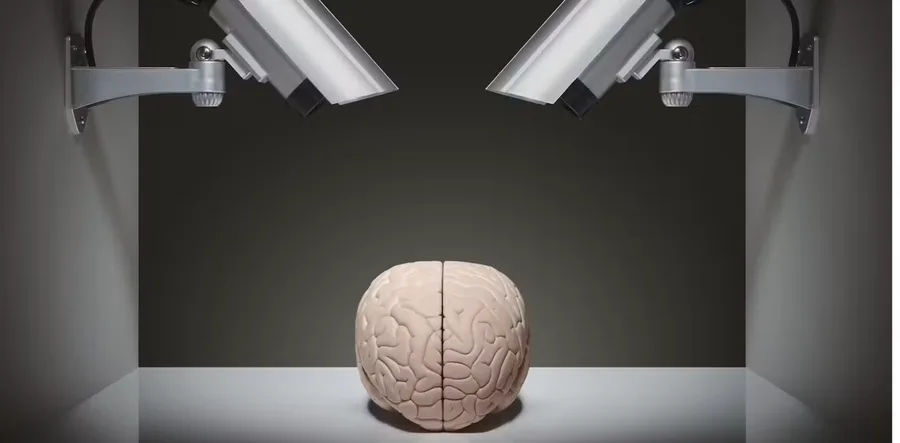
Neurotechnology raises many high-stakes ethical questions. Setting ground rules could help protect workers and ensure that tasks are adapted to the person, rather than the other way around.
One professor explains how war in Iran led her to a career in biomedical engineering - a rapidly growing field that offers students exciting opportunities to serve humanity.
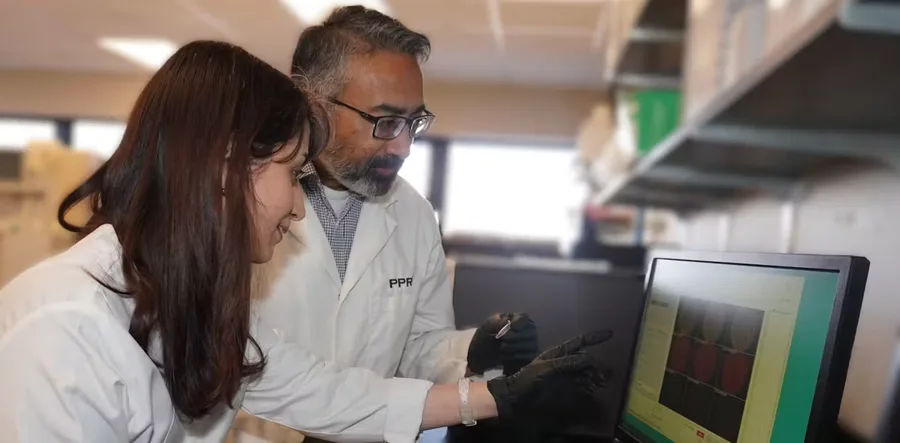
Researchers have developed the EXOSense technology to capture tiny particles, called extracellular vesicles, from biofluids using a gentle electrical force.
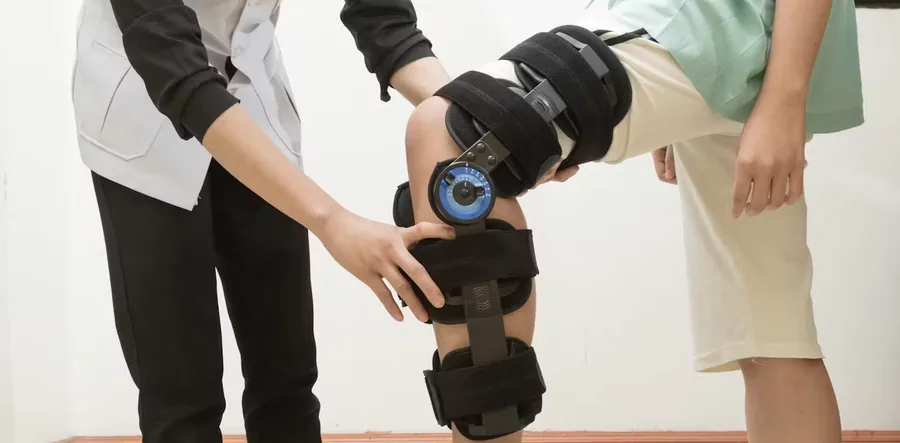
Are more technologically advanced prosthetics and orthotics actually better for improving health? Or do we just think they are better? And most importantly, how do we figure it out?
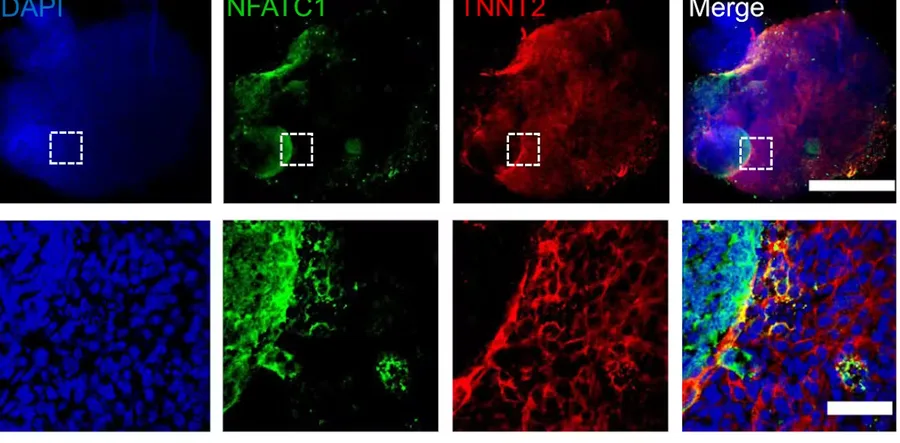
Human heart organoids allow researchers to study the developing heart while avoiding the ethical issues of using human embryos and the imperfections of animal models.
Keolebogile Shirley Motaung·...·Tshwane University of Technology
3d ago
Tissue engineering and regenerative medicine is based on three key requirements working together: signals from body tissues and organs, responding stem cells, and scaffolds.
She believed and advocated that Africa needs to find solutions to its own problems and worked tirelessly to build biomedical engineering capacity across the continent.
Blaise Manga Enuh·...·University of Wisconsin-Madison
3d ago
Using digital blueprints of the metabolism of microbes, scientists can simulate expensive and time-intensive experiments set in space, power plants and farm fields.
African countries need to start producing and developing their own medical devices. Suitably skilled biomedical engineers are needed for this sort of innovation to take root.
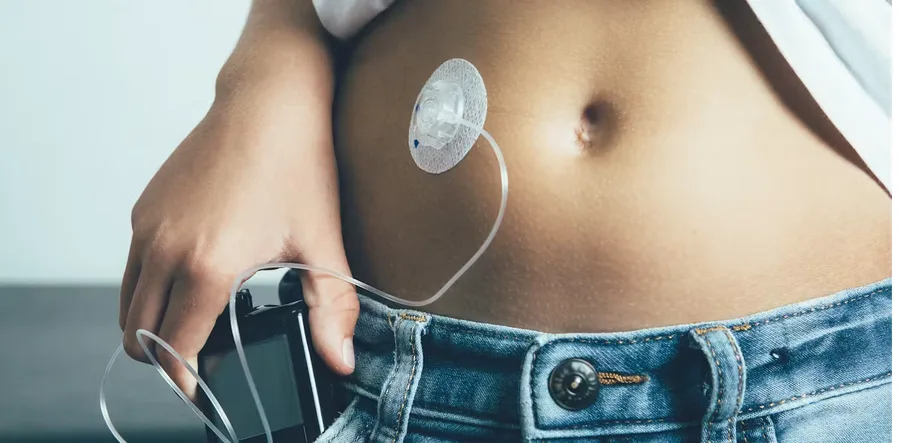
Health care relies on increasingly sophisticated devices for implanting into the body or monitoring it. Yet most med school graduates are not versed in engineering. That needs to change.
Revisions to the CDC’s developmental milestone checklists removed crawling as a skill that babies pick up at a typical age. A biomedical engineer describes how more research may clarify its role.
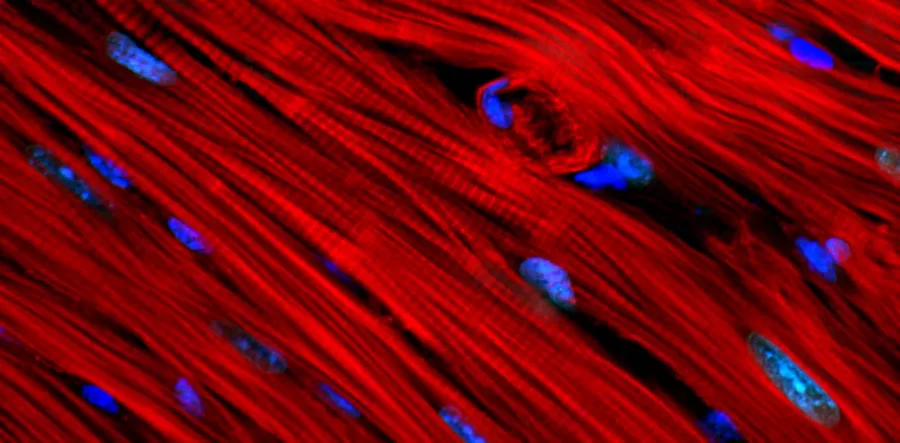
Heart disease can change the genetic structure of heart cells. Understanding the role that mechanical forces play in these changes could lead to improvements in artificial tissue design.






 research.io