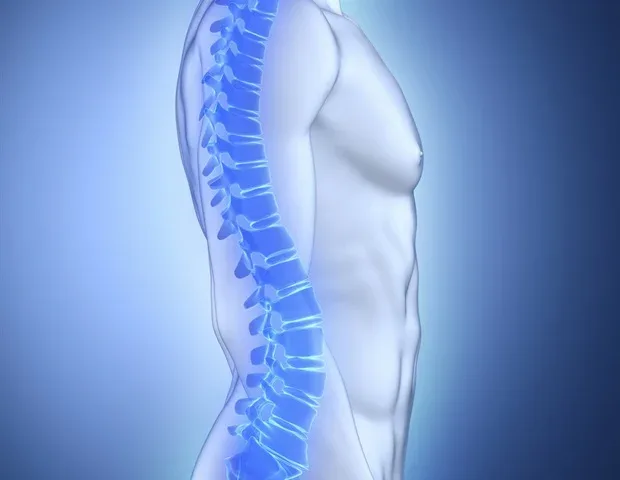
An experimental compound called AP503 significantly strengthened bones in mice by activating GPR133, a receptor that boosts bone formation while slowing bone loss. Because the same treatment has also been linked to stronger muscles, researchers see intriguing potential for combating age-related decline and osteoporosis.
Osteogenesis imperfecta (OI) is a relatively common rare bone disease which presents with skeletal deformities and increased fracture incidence. Limited studies have characterized the properties of OI bone, which remains an obstacle in accurately predicting risk of fracture in children with OI during daily activities. To evaluate differences between OI types I, III, IV, VI, VII, and VIII, anisotr…
Osteoporosis is one of the most common age-related bone diseases, affecting millions of people worldwide and increasing the risk of fractures, disability, and reduced quality of life.
Editorial Office of West China School of Stomatology·Sichuan University
6/13/2026
A newly identified vitamin K-dependent signaling pathway appears to help coordinate communication between key bone cells. Bones may seem like lifeless structures, but they are constantly being torn down and rebuilt. Every day, specialized cells remove old bone while others replace it with new material, a process that keeps the skeleton strong and adaptable throughout [...]
A newly discovered fat-burning “switch” could pave the way for future treatments that strengthen fragile bones. Scientists have discovered a molecular “switch” in mice that activates a hidden energy-burning system in brown fat, a breakthrough that could eventually lead to new treatments for bone disease. The research, published in Nature, offers new insight into brown [...]
Bones may look solid and unchanging, but they are actually living tissues that are constantly being renewed. Throughout life, the body is always breaking down old bone and building new bone. This process helps keep bones strong. However, as people get older, this balance can be lost. Bone is broken down faster than it is […] The post Scientists discover new way to rebuild bones appeared first on …
A decade-long study of older women found that tea drinkers had slightly stronger bones, while moderate coffee drinking caused no harm. Heavy coffee intake—over five cups a day—was linked to lower bone density, especially in women who consumed more alcohol. Tea’s benefits may stem from catechins that support bone formation. The researchers say small daily habits could make a meaningful difference …
The human skeleton consists of 206 bones and other connective tissues that together support and protect many organs, produce red and white blood cells, and act as a storage depot for minerals such as calcium, phosphorus, and magnesium. Although bones may look inactive at first glance, they are living tissues that are dynamic and in Read more »