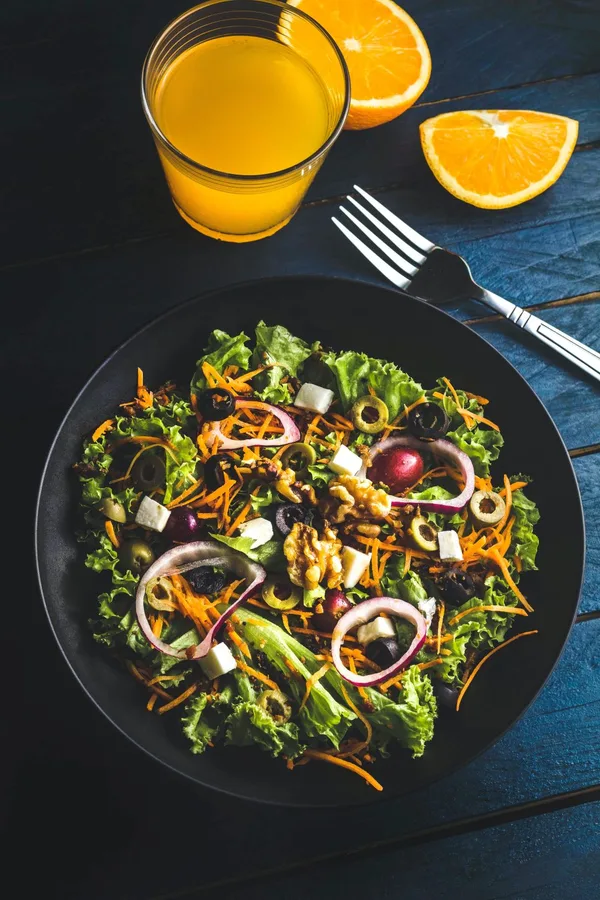
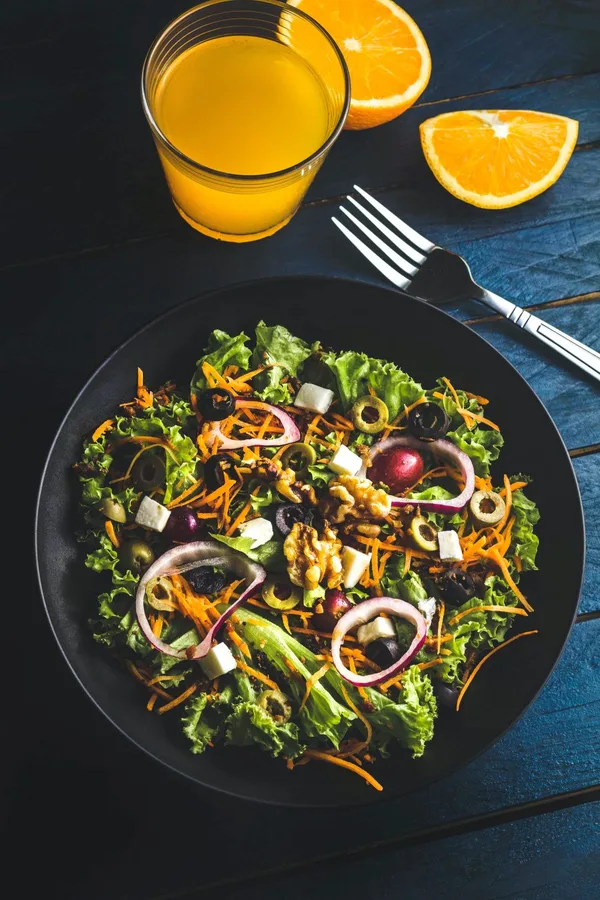
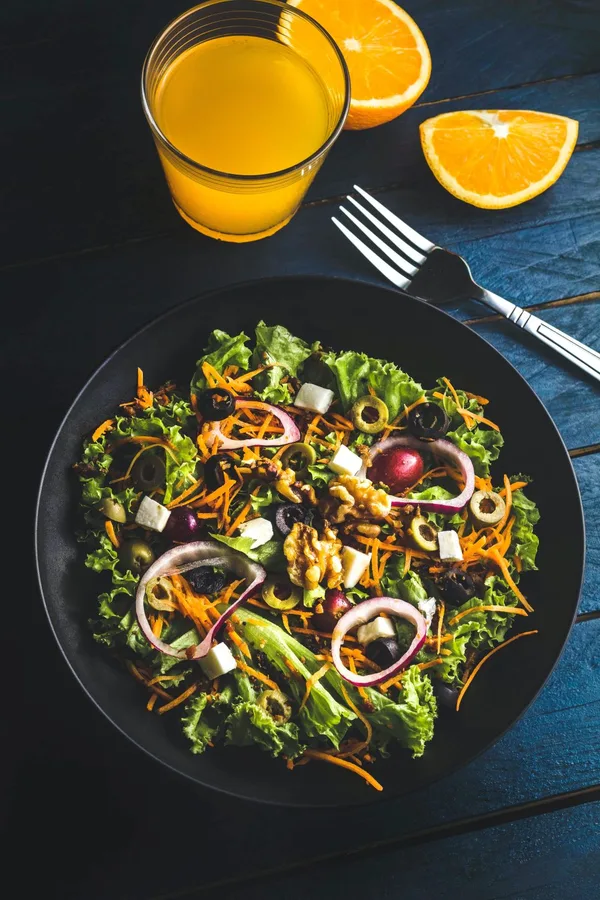
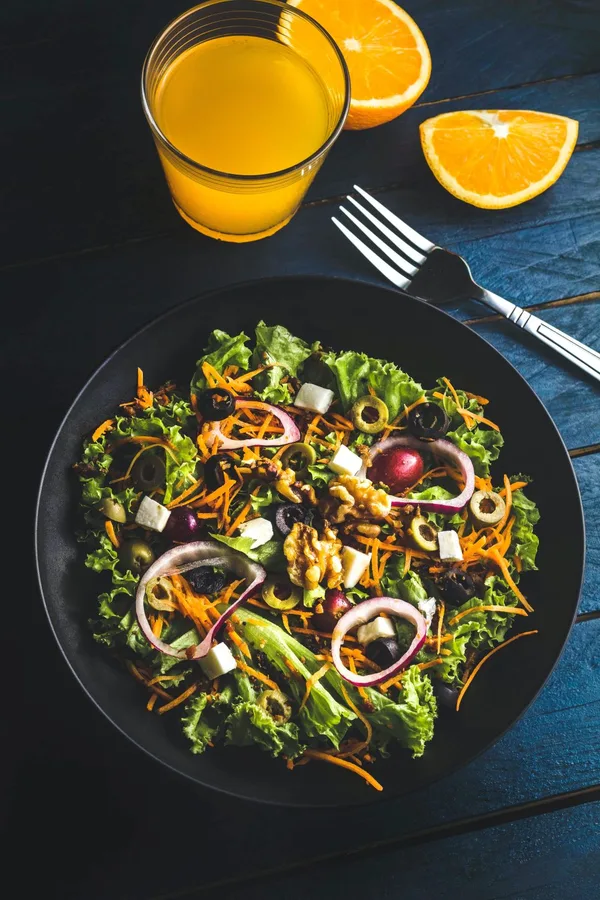
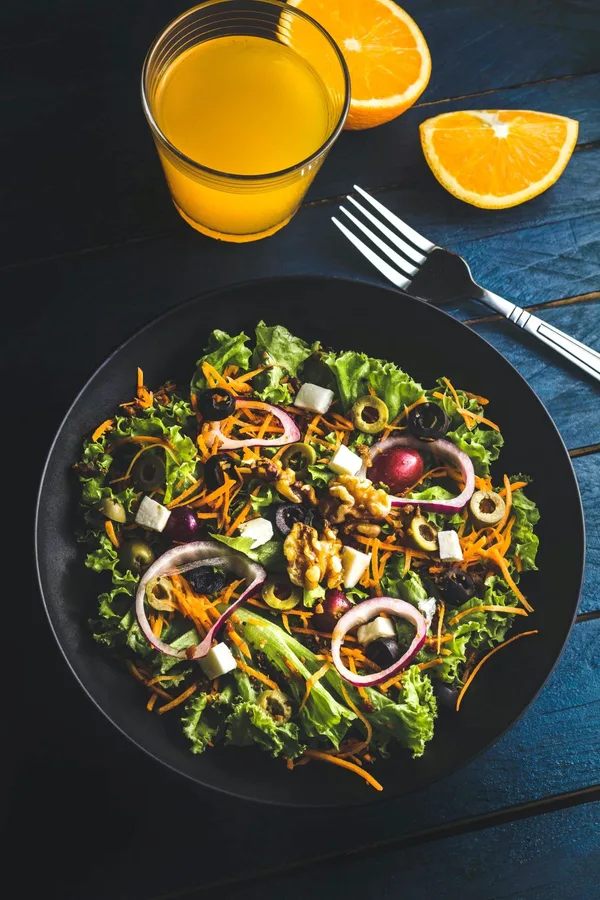
We have all heard the phrase “you are what you eat.” While simple, this idea reflects an important truth about nutrition and health. Good nutrition means eating the right foods, in the right amounts, to obtain sufficient—but not excessive—essential nutrients. When dietary intake is balanced, the body is better able to remain free from disease, Read more »
📘 Unit 2: Planning Healthy Diets 2.1 Introduction to Planning Healthy Diets Most people are omnivores, consuming both plant and animal foods. Food nourishes both body and soul, and often brings families together. 2.2 Nutrition and Health What is Nutrition? The study of nutrients in foods and how our bodies handle them. What are Nutrients? Read more »
📘 Unit 1: Food and Kitchen Safety 1.1 Introduction to Food Safety Food and Nutrition Go Hand in Hand Food delivers essential nutrients. For example: Milk provides protein, calcium, vitamin D, and more. Fruits satisfy sweet cravings while supplying fiber and vitamins. 🔪 1.2 Safety in the Kitchen Kitchen Hazards Knives can cause cuts. Burns Read more »
NOTE: An updated version of this appendix is Available at the URL below. Appendix B: The Exchange Lists for Meal Planning 📘 What Are the Exchange Lists? The Exchange Lists, used for meal planning, were first created in 1950 by the American Diabetes Association and the Academy of Nutrition and Dietetics. They were designed as Read more »
Infographics are used to visually display information or data. They have exploded in popularity in the last decade. We find them on Facebook, on websites, in advertisements, and in textbooks. MTSU Nutrition and Food Science students in Advanced Nutrition II during spring 2022 created the graphics listed below. The students used the free version of Read more »
Adipose An adjective that refers to body fat. Such as adipose cells or adipose tissue. Adipose tissue The actual body tissue made up of fat cells. (Used as a noun.) Aerobic Require oxygen. amphiphilic Being both hydrophilic and hydrophobic--tit attracts both fats and water Anaerobic Do not require oxygen. Appetite The desire to eat Bacteria Read more »
What is Nutrition Literacy? Now, more than ever, it’s essential to develop skills in , defined as the ability to find accurate nutrition information, understand the information, and use it to make healthy food choices. Another aspect of literacy, especially related to nutrition, is the ability to determine whether the information is accurate and realistic. Read more »
Great news! More people are cooking at home than they did thirty years ago with the largest increase in men. This increase parallels the number of television cooking shows, the plethora of online recipes, and variety of step-by-step recipe tutorials available. The problem with these shows and websites is they overlook the need Read more »
Some of the most common causes of chemical contamination of foods are pesticides from unwashed fruit and vegetables, cleaning products used during food preparation in the home, and unintentional chemicals that find their way into food during some aspect of the food chain. Unlike physical contaminates that cause immediate damage to the lining of the Read more »
Most of the world’s food supply undergoes some and before being marketed. Preserving and processing foods provide many hidden benefits. Each protects consumers in different ways. Food preservation includes handling or treating food to prevent or slow down spoilage. Food processing involves transforming raw ingredients into packaged food, such as cutting whole carrots into baby Read more »
What is a Food System? Today, very few people grow and process their own food. Most of the foods we eat are purchased from a grocery store or at a restaurant. These foods go through a network of suppliers known as the “.” (Food chains deal how lower level plants are eaten by larger ones. Read more »
Food and Diet Trends and Health In the past, health was regarded merely as the absence of illness. However, a growing understanding of the complexity and potential of the human condition has prompted a new way of thinking about health. Today, we focus on the idea of wellness, which involves a great deal more than Read more »
There are many diet patterns globally, in all regions and cultures. Each is influenced by past traditions, along with the produce and livestock available to eat. Today, most nations have their own set of dietary guidelines influenced by the culture, climate, and foods grown in the region of the world. For example, mainland Americans typically Read more »
The Food Safety and Inspection Service (FSIS) of , work with and to ensure our we have a safe and healthy food supply. The FoodSafety.gov website serves an important role in ensuring food safety in the United States. Although you can often detect when mold is present, you can’t see, smell, or taste bacteria Read more »
Both and can create a burden on , when companies must recall contaminated food and on the health-care system, where infected individuals must be treated. It all begins when a person ingests a food contaminated with pathogenic microbes (), and the microbes travel to the stomach and intestines. There, the live microbes can grow and Read more »
What Is a Safe Food Supply? A safe food supply is free of physical, chemical, and biological . Physical contaminants include substances that accidentally get into food during any stage of the such as hair, glass, jewelry, plastic, bones, bugs, or stones. Some cause immediate problems such as choking, a broken tooth, or cuts to Read more »
How do the proteins from foods, denatured or not, get processed into amino acids that cells can use to make new proteins? When you eat food the body’s digestive system breaks down the protein into the individual amino acids, which are absorbed and used by cells to build other proteins and a few other macromolecules, Read more »
In addition to having many vital functions within the body, proteins perform different roles in our foods by adding certain functional qualities to them. Protein provides food with structure and texture and enables water retention. For example, proteins foam when agitated. (Picture whisking egg whites to make angel food cake. The foam bubbles are what Read more »
What Is Protein? Proteins, simply put, are macromolecules composed of amino acids. Amino acids are commonly called protein’s building blocks. Proteins are crucial for the nourishment, renewal, and continuance of life. Proteins contain the elements carbon, hydrogen, and oxygen just as carbohydrates and lipids do, but proteins are the only macronutrient that contains nitrogen. Read more »

 research.io