Cells degrade and recycle damaged parts of themselves through a process called autophagy. When this “self-devouring” goes awry, it may promote cancer and neurodegenerative disease.
Preclinical studies are an important part of biomedical research, often guiding future trials in humans. Failure to replicate research results suggests a need to increase the quality of studies.
Julien Bensalem·...·South Australian Health & Medical Research Institute
3d ago
Autophagy may be Nobel-winning research, but so far there’s no evidence that boosting how your cells recycle nutrients makes you live longer or lose weight.
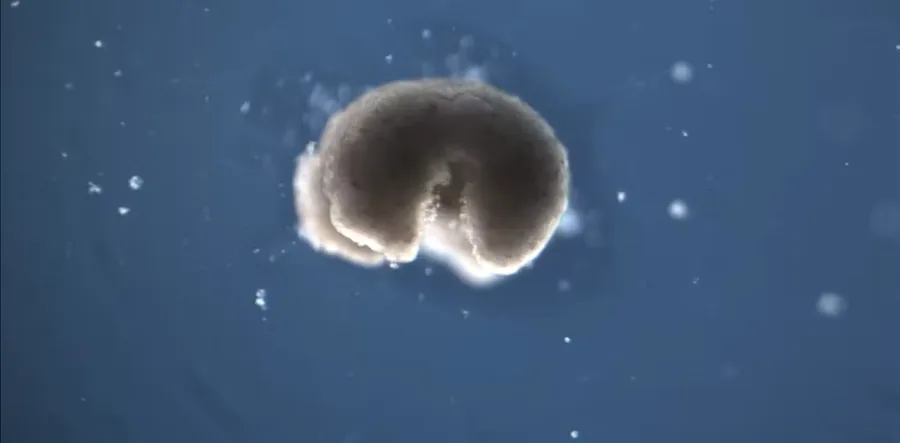
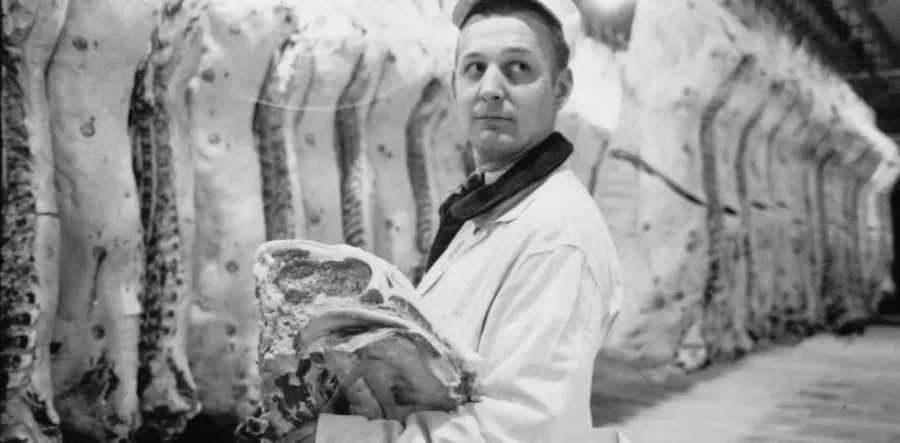
It’s relatively easy to grow a bunch of animal cells to turn into a burger. But to grow a steak made of cultured meat is a trickier task. Bioengineers must create organized, three-dimensional tissues.
Thomas Durcan’s lab is growing 3D mini-brains in the search for a cure for Parkinson’s disease. Over the next year he is giving all his lab’s protocols, methods and results away.
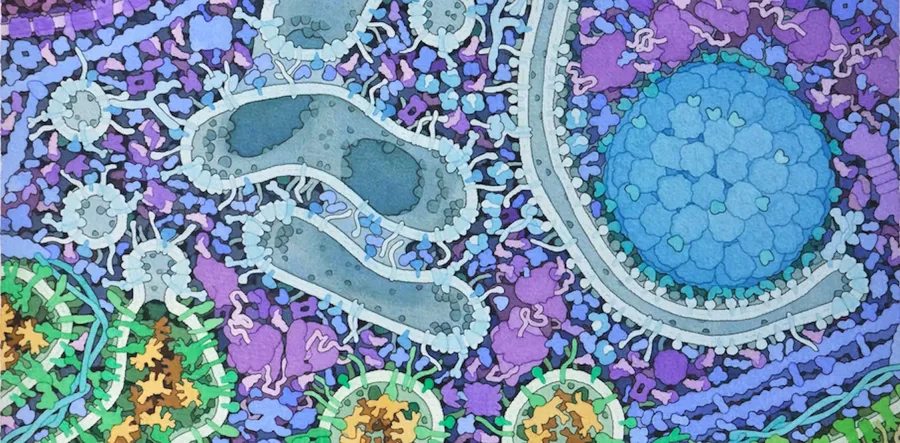
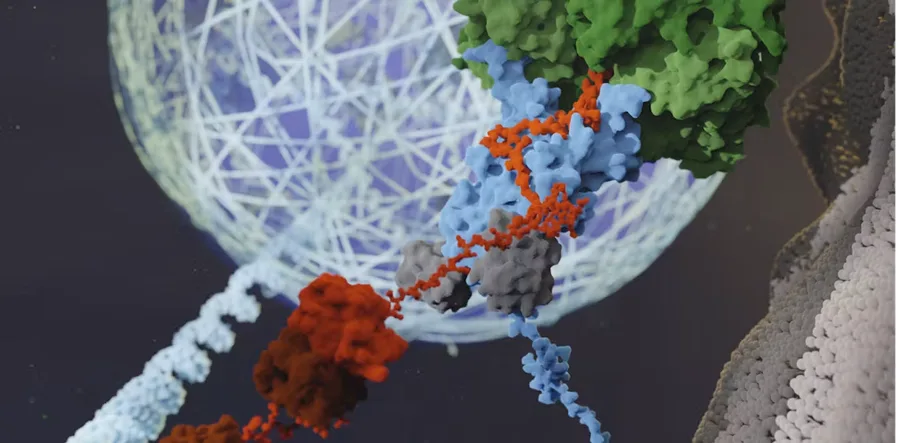
Many microscopy techniques have won Nobel Prizes over the years. Advancements like cryo-ET that allow scientists to see the individual atoms of cells can reveal their biological functions.
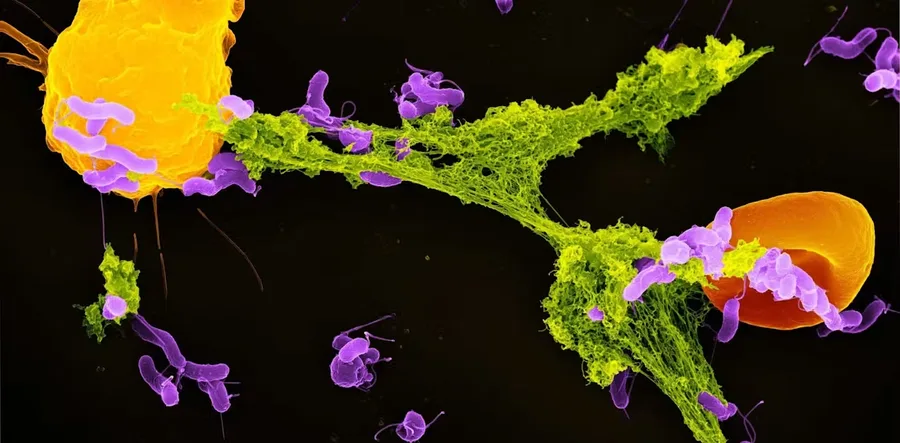
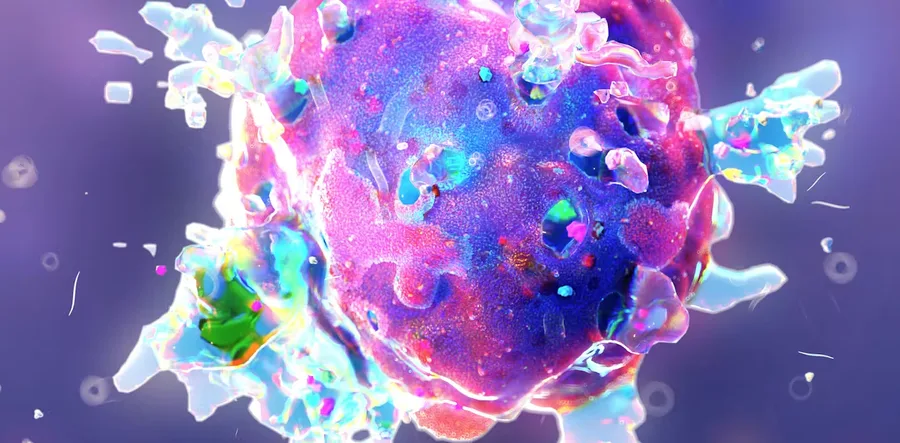
Asthma attacks can result from immune cells overreacting to a harmless allergen. Tamping down iron levels in certain immune cells can help control their activity.
As people age, the chemical signaling pathways in muscles become less potent, and it gets harder to build muscle and maintain strength. But the health benefits of strength training only increase with age.
Many tumors have cancer stem cells that help them grow and evade treatments. Differentiation therapy forces these cells to mature, stopping growth with less toxicity than traditional treatments.
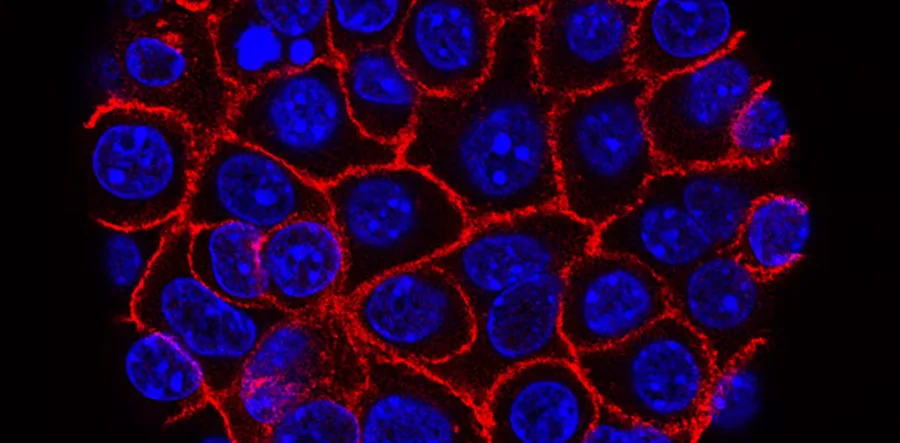
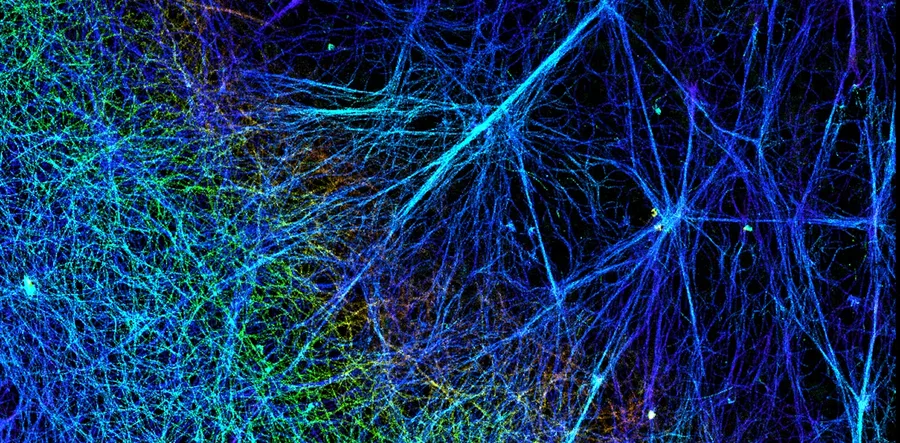
Superresolution microscopy allowed researchers to view cells at the molecular level. Improvements on the technique can help study the building blocks of complex cell processes over time.





 research.io