Zebrafish have become one of toxicology's most powerful tools for studying emerging contaminants, from PFAS and microplastics to pharmaceuticals and nanomaterials.
This study examined the interaction between Fusarium solani KMZW-1 and adult Bactrocera dorsalis, with emphasis on cuticular colonization, adult-stage pathological effects, and candidate metabolite-mediated toxicity. KMZW-1 showed Fusarium-like colony and conidial morphology and colonized mainly tarsal setae, joints, and recessed cuticular regions, where fungal conidia and hyphae progressively ac…
This study aims to investigate the trans-dentinal and direct cell viability of ammonia- and water-based silver fluoride treatments. Deep dentin discs were prepared, balanced for permeability and autoclaved. Three-dimensional cultures of odontoblast-like cells were transferred to the pulpal aspect of the dentin slices inside perfusion split chambers designed for dentin-barrier cytotoxicity test, f…
Drug-induced liver injury (DILI) is a critical safety issue in drug development, characterized by its idiosyncratic nature, complex mechanisms, and poor predictability in standard preclinical models. High-dimensional omics strategies, particularly toxicogenomics, have attracted increased interest in addressing the complexity of hepatotoxicity, especially in the context of emerging artificial inte…
BackgroundBisphenol A (BPA) is a pervasive environmental contaminant associated with various systemic toxicities. However, its specific mechanistic involvement in dry eye disease (DED) pathogenesis is not defined. This study aimed to evaluate the toxicological mechanisms of BPA in DED pathogenesis and identify the key molecular mediators driving ocular surface injury.MethodsToxicity profiles of B…
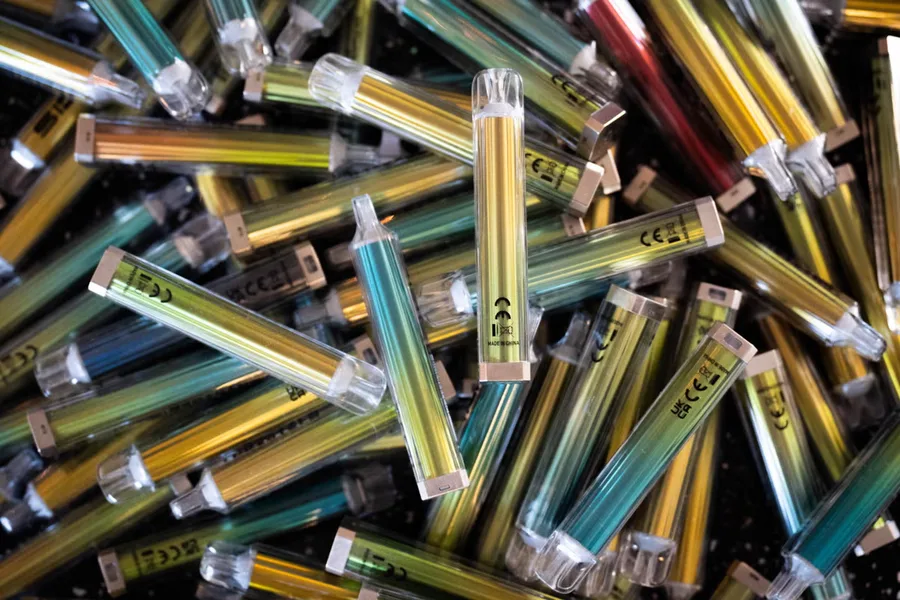
Compared with traditional cigarettes, electronic cigarettes can seem simple and harmless. After all, they trade the eye-stinging smoke of burning tobacco leaves for something that looks like steam and might smell like air freshener. But that aroma masks a complex chemical mix that definitely worries experts who study the ingredients and effects of e-cigarettes, or […] The post What’s in a vape? W…
Scientific Reports, Published online: 09 August 2026; doi:10.1038/s41598-026-64538-0 Chronic oral exposure to didecyldimethylammonium chloride induces region-specific intestinal dysfunction and gut microbiota remodeling in mice
Common foxglove, Digitalis purpurea, is a biennial known for tall spires of tubular flowers in pink, purple, white, red, and yellow. It gives garden borders vertical structure, feeds bees through summer, and self-seeds freely in the right spot. Every part of the plant is toxic to humans and pets, so growing it well means understanding […] The post How to Grow Foxglove: Care, Planting, and Toxicit…
BackgroundExposure to fine particulate matter (PM2.5) is a well-established risk factor for lung inflammation and injury. Macrophages are key innate immune cells in the lung and play critical roles in maintaining pulmonary immune homeostasis and orchestrating inflammatory responses following environmental insults. However, the precise mechanisms by which PM2.5 modulates macrophage function and co…
The incidence of copper sulfate poisoning varies across different regions. It is relatively rare in Western countries but more prevalent in South Asian nations, accounting for approximately 40% of all heavy metal poisoning cases. The majority of affected individuals are rural residents, with a mortality rate ranging from 14% to 36%. Copper sulfate poisoning often leads to gastrointestinal corrosi…
BackgroundSelenium is an essential trace element widely used in health supplements. Reported cases of selenium poisoning have mainly involved hair loss, nail changes, and liver dysfunction, whereas toxic encephalopathy is uncommon. To date, no cases of selenium poisoning causing vision or hearing loss have been reported.Case PresentationWe report a 27-year-old woman employed in health supplement …
Botulinum neurotoxin subtype A4 (BoNT/A4) is ~1000-fold less potent than BoNT/A1. This study addresses the basis for low BoNT/A4 potency. Utilizing BoNT/A1-A4 and BoNT/A4-A1 Light Chain-Heavy Chain (LC-HC) chimeras, HC-A4 was responsible for low BoNT/A4 potency. Earlier studies showed BoNT/A1-receptor binding domain (Hcc) bound a β-strand peptide (556–564) and glycan-N 559 within Luminal Domain 4…
University of Maryland researchers discovered a new approach to treating venomous snake bites-using the same toxin-blocking proteins that snakes evolved to protect themselves.
Purpose: Warfarin is one of the most widely used anticoagulants that functions by inhibiting vitamin K epoxide reductase. Warfarin overdose, whether intentional or unintentional, can cause life-threatening bleeding. Here, we present a novel warfarin adsorbent based on mesoporous silica that could serve as an antidote to warfarin toxicity. Methods: Amino-functionalized mesoporous silica (MS-NH2) w…



 research.io