Acclaimed literary critic and Senior Editor at The Atlantic Adam Kirsch explores humanity's insatiable drive to wonder at unidentified phenomena in the skies.
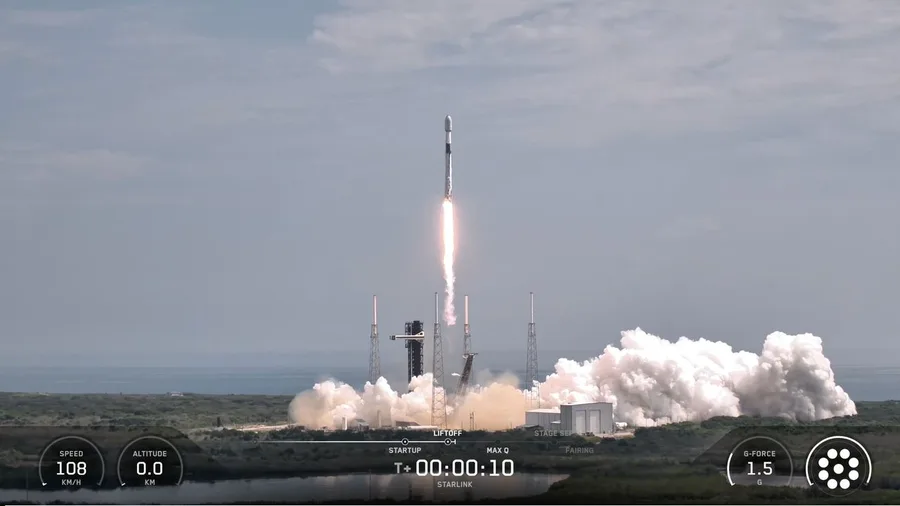
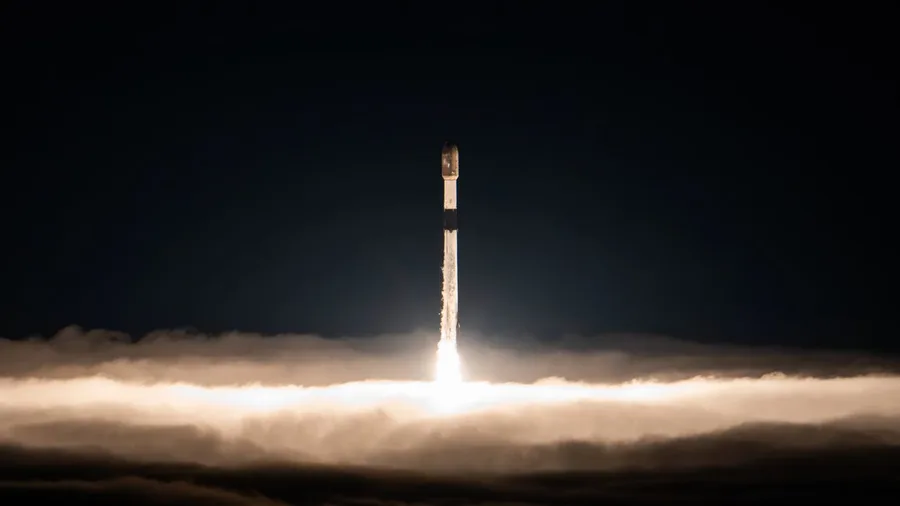
SpaceX launched 27 Starlink satellites from California early this morning (Aug. 22), on the 100th mission of the year for the company's Falcon rocket family.
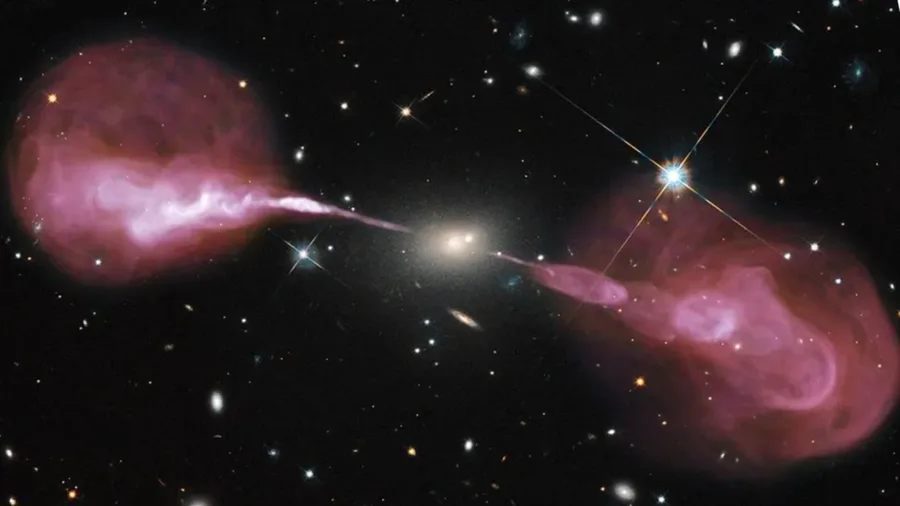
Astronomers have discovered a hitherto unseen population of galaxies with fading radio lobes, revealing what happens to these vast outflows when their black hole engines stall.
The United States is updating its approach to managing spaceflights and reentries, with the goal of expanding the nation's capabilities to support more than 1,000 rocket launches per year by 2030.
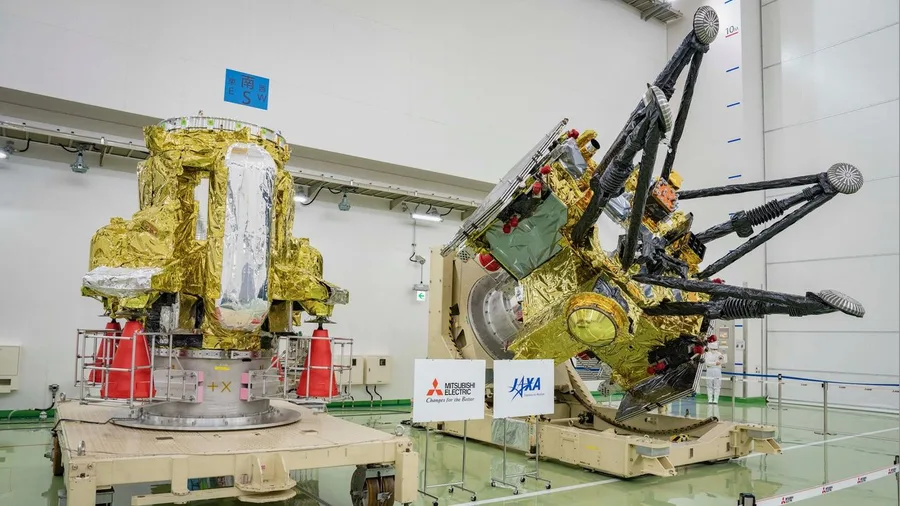
Japan recently gave the world a look at the spacecraft of its MMX mission, which will launch on Oct. 19 to grab pieces of the Mars moon Phobos and haul them back to Earth.
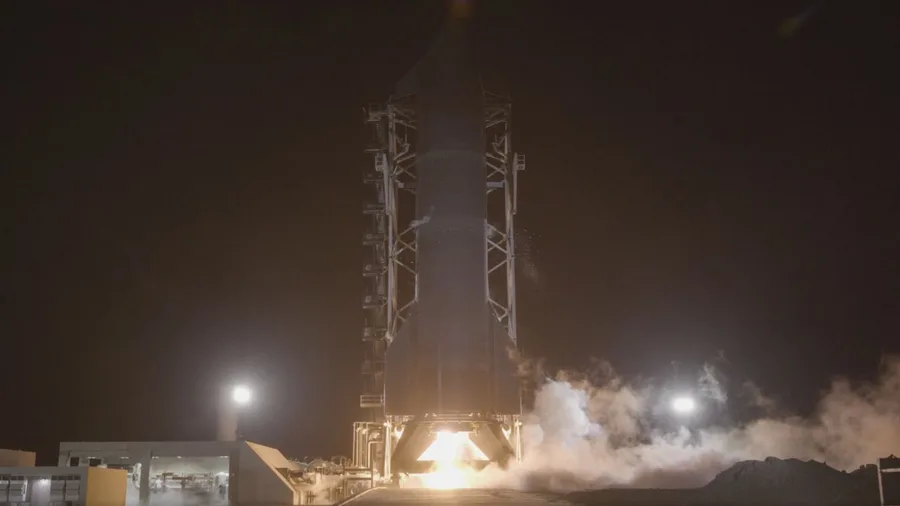
SpaceX completed a single-engine test-firing of its next Starship spacecraft to prepare for its coming test flight, which will be the first to reach orbit.
A mysterious hum of gravitational waves that fills the cosmos may be the echo of long-dead "dark stars" that served as the seeds of the first supermassive black holes.
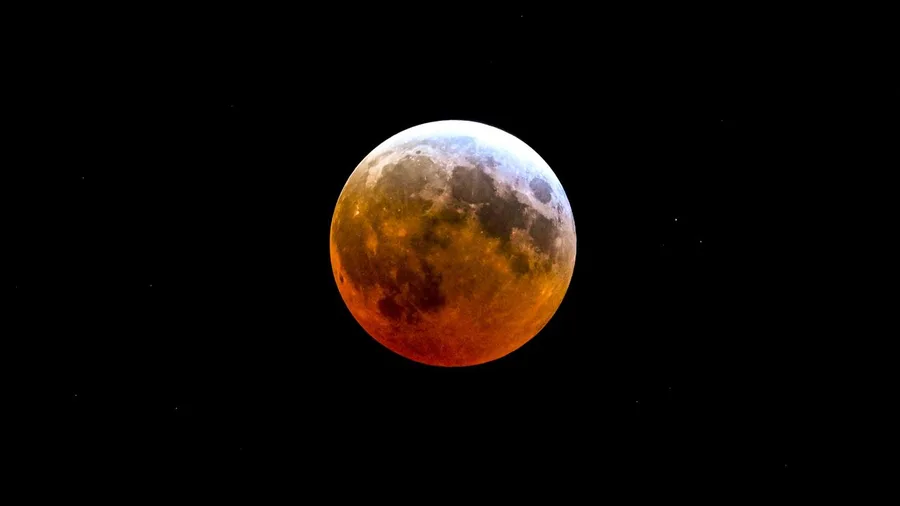
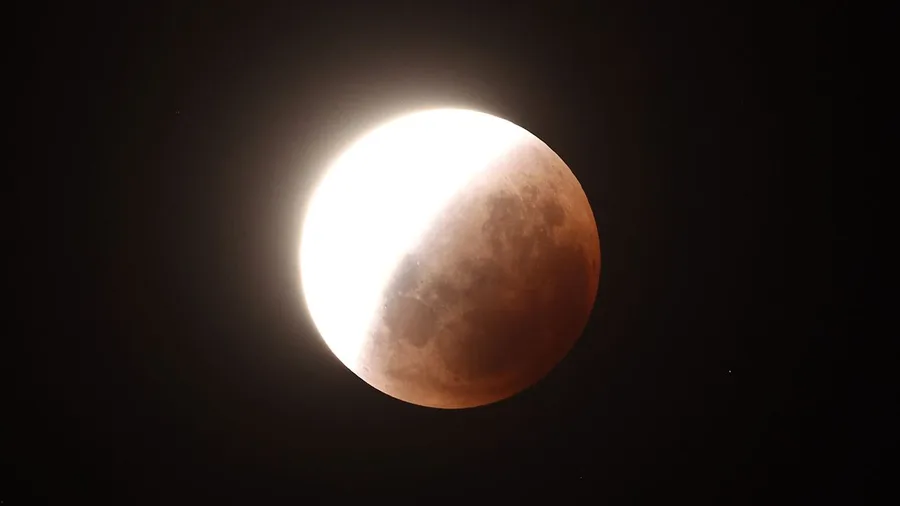
We'll soon get a chance to see a giant curved shadow in space move slowly across the moon during a very deep partial lunar eclipse. There are few more awesome or enlightening sights.
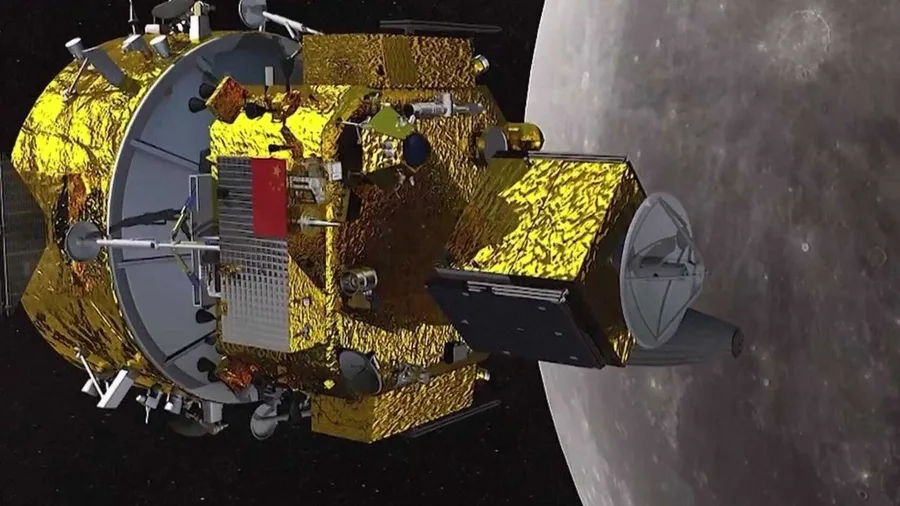
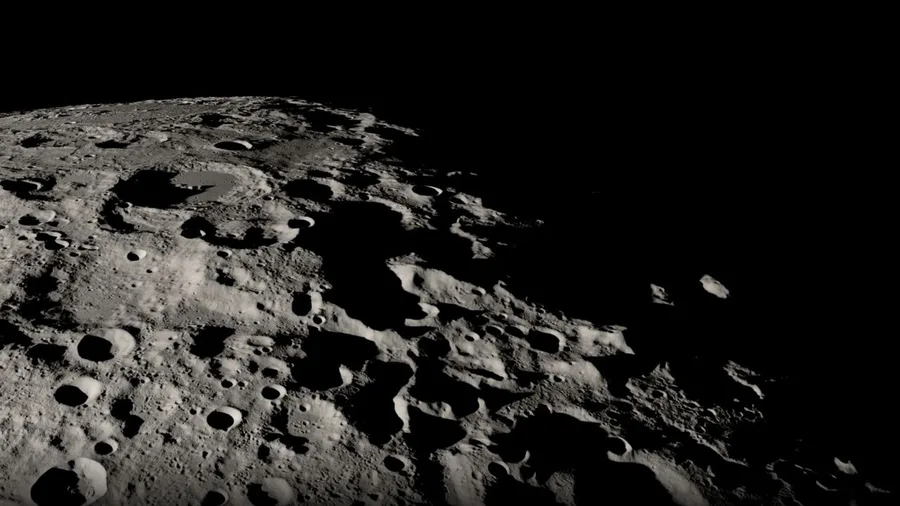
China aims to launch its Chang'e 7 moon mission on Aug. 24 to send a lander, a rover, a hopper and a wide range of science experiments to the lunar south pole.
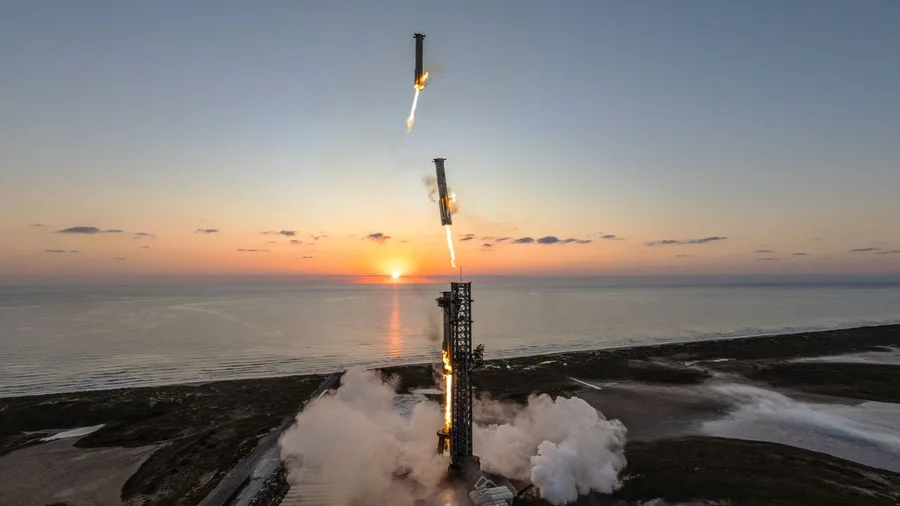
SpaceX will likely try to make the first-ever catch of its Starship upper stage a few months from now, according to Elon Musk. He had earlier flagged late August as a potential date for the milestone.



 research.io