Geochemistry – The Conversation


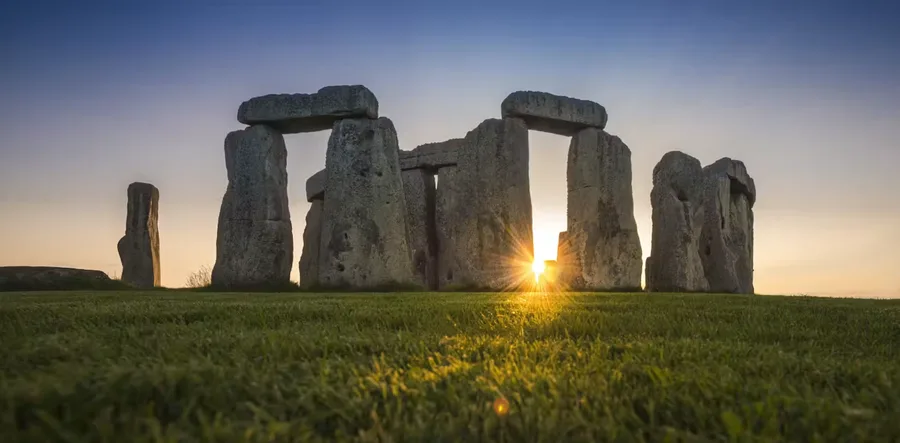
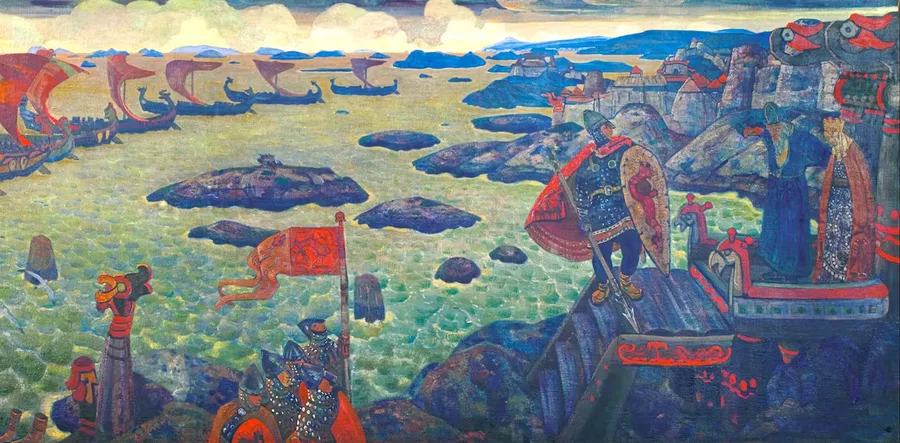
New analysis of silver items in the Bedale hoard reveals Scandinavians travelled to the east to trade much earlier than previously thought.

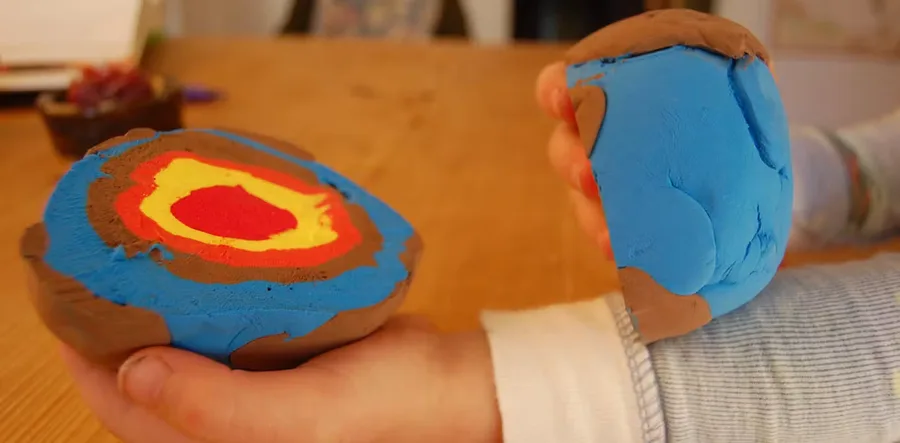
As of today, the world might have changed forever. A fundamental assumption underpinning much of modern geochemistry is that the earth has the same composition as a class of meteorites called chondrites…

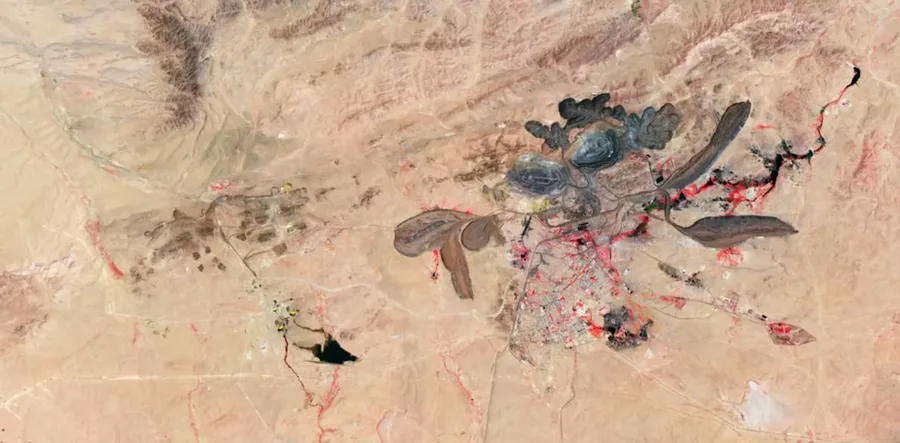
A new geochemical discovery could lead to a cleaner way to extract the rare earth elements needed for the transition to renewable energy.

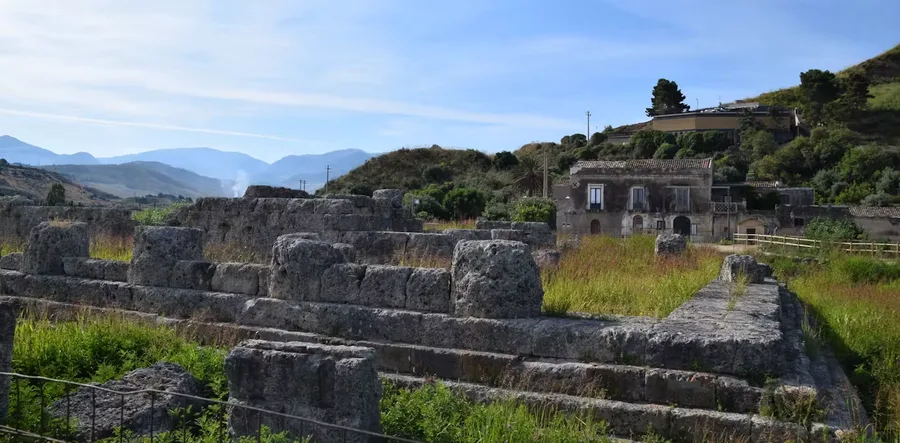
Are the descriptions of war passed down by ancient historians accurate? A site in Sicily provided a rare chance to fact-check stories told about two battles from more than 2,400 years ago.

Scientists have now dated the ‘Great Oxidation Event’ to just before the planet’s first ‘snowball’ period.

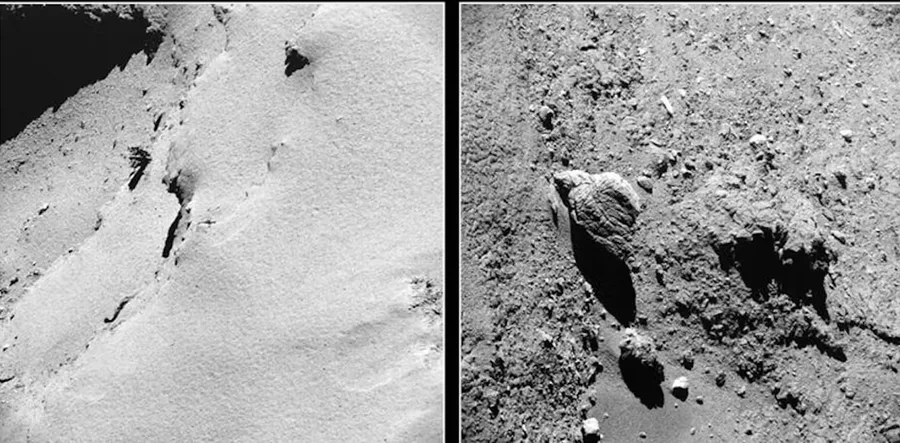
Dust can be instructive. The analysis of those collected around the comet 67P/Churyumov-Gerasimenko provided new information on the history of the solar system.

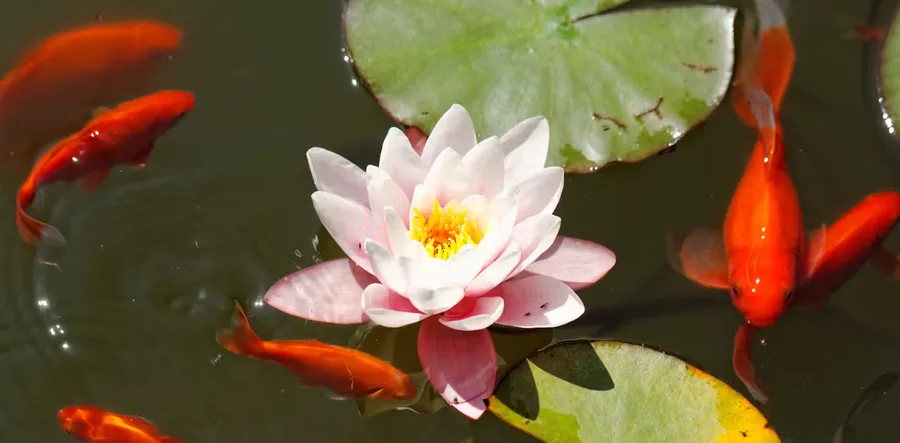
Ponds are good for more than just decorating the garden – they could be your best tool in fighting climate change.

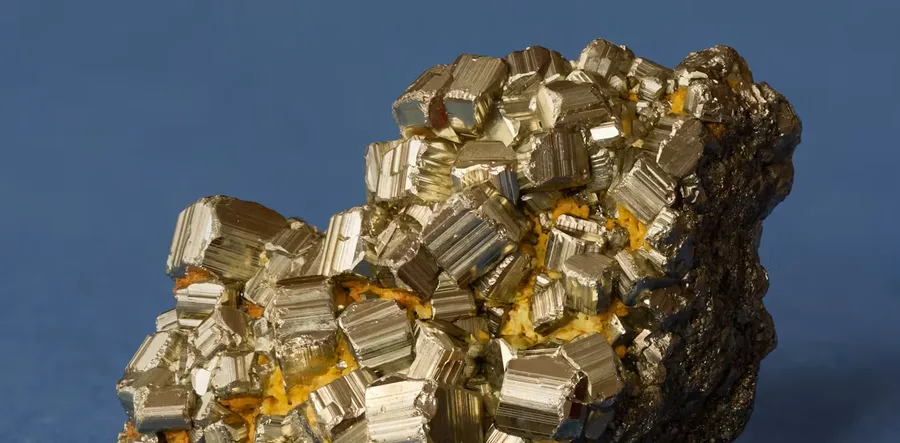
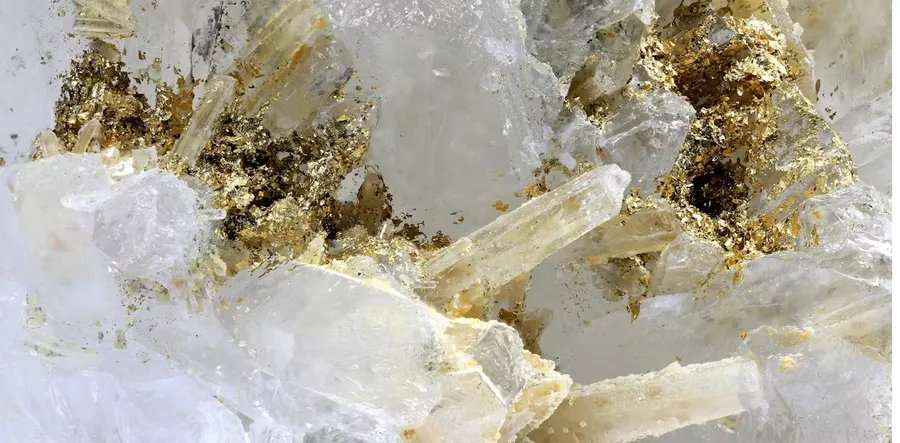
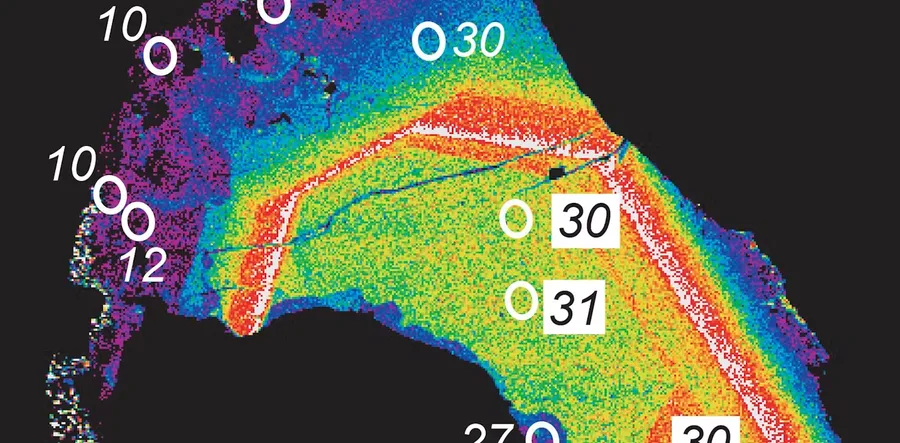
Fool’s gold, or pyrite, is made of worthless iron disulfide, but can contain tiny amounts of the real thing. Using an ‘atom probe’, research has uncovered a new way gold atoms can hide in pyrite crystals.


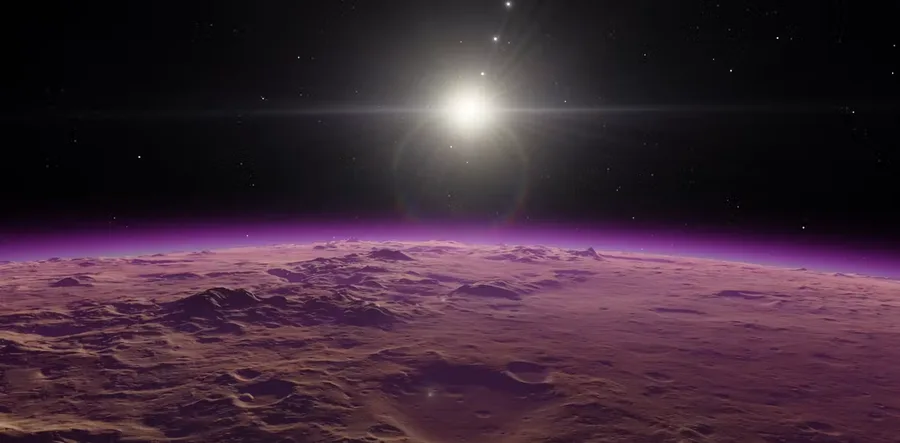
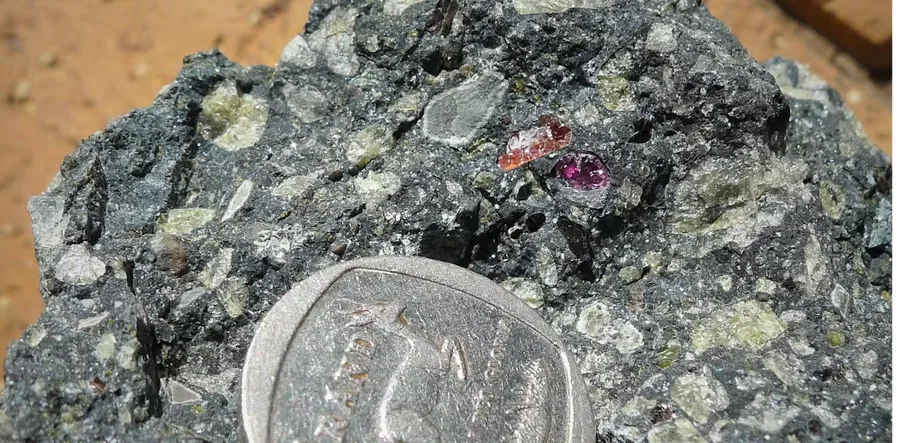
Diamonds form alongside a distinct purple companion. We studied it to reach a conclusion about how rare they might actually be.

Gold nuggets grow much bigger than they should – and electricity produced by earthquakes may be the reason why.

It’s not always easy to work out where Aboriginal remains came from, but science can help.


Measuring the concentration of radioactive elements in a single, sand-size crystal reveals the growth of the Himalayan mountain range over time.

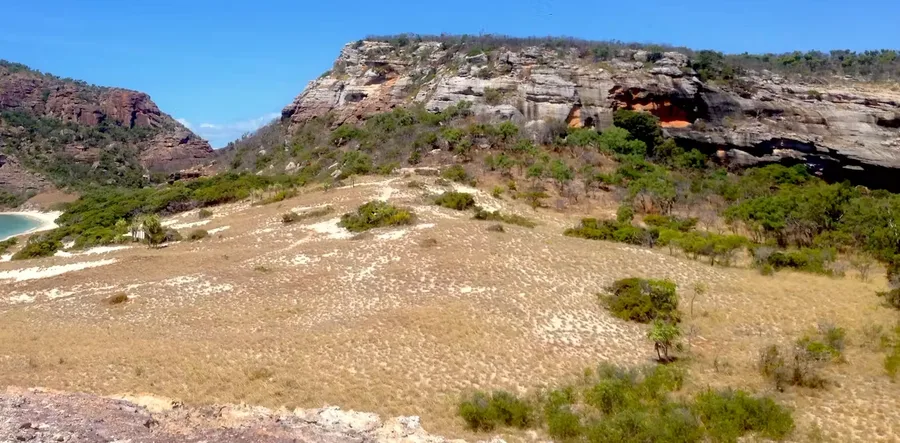
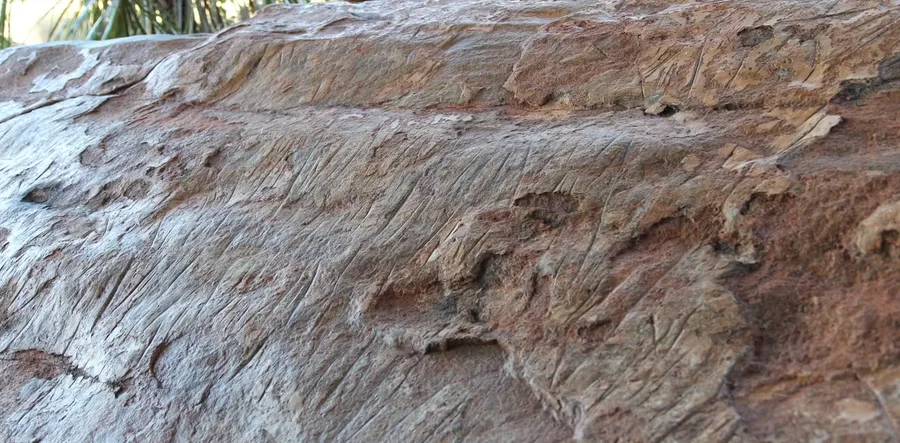
Indigenous artists have been engraving rock shelters for millennia - long before the Kimberley’s celebrated rock art paintings. Now the rocks’ natural coatings are yielding clues to the engravings’ creation.

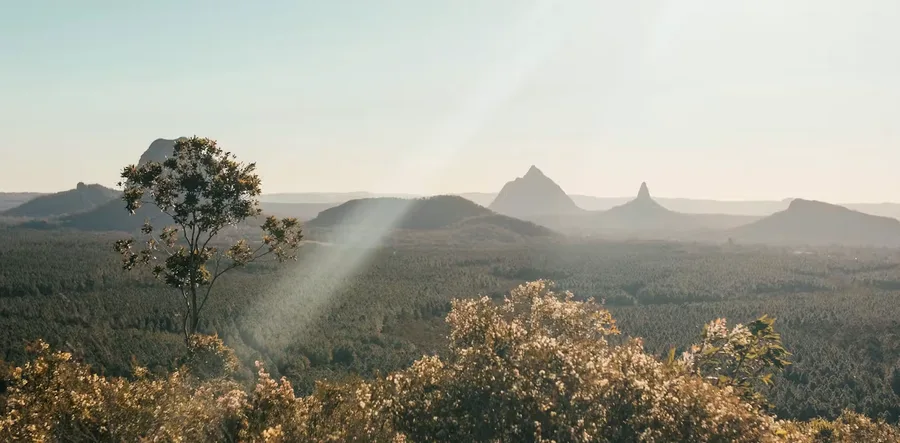
As continents grind across ‘hotspots’ in Earth’s mantle, we can get volcanoes erupting on the surface. Studying these can reveal much about our planet’s evolution.

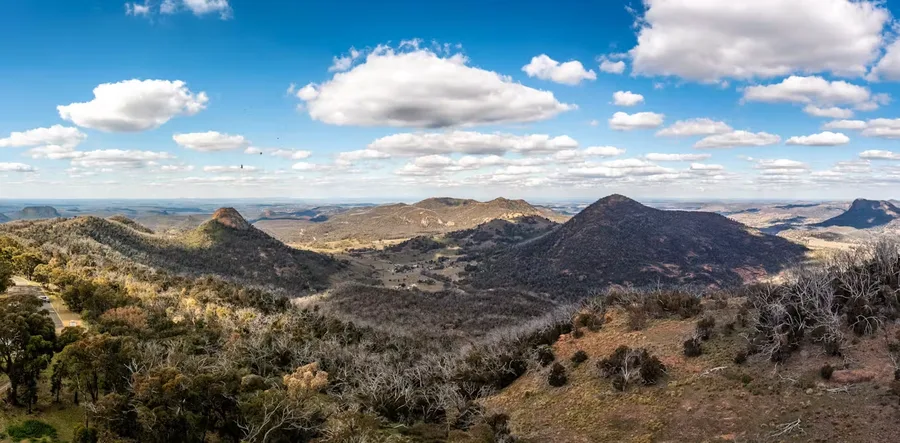
From far north Queensland to the southern tip of Tasmania, there is a common geological mechanism that links Eastern Australia’s volcanic history.

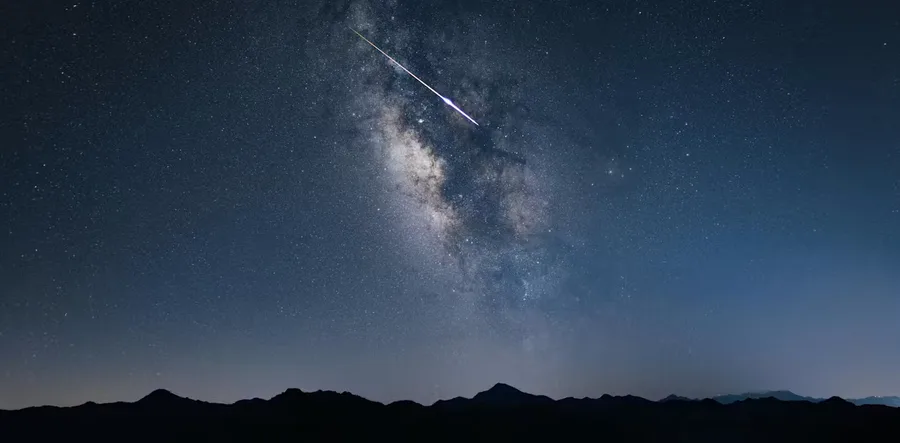
The findings suggest Earth’s geological story was partly written in the stars – specifically, in the spiral arms of our home galaxy.

research.ioSign up to keep scrolling
Create your feed subscriptions, save articles, keep scrolling.