ancient-history


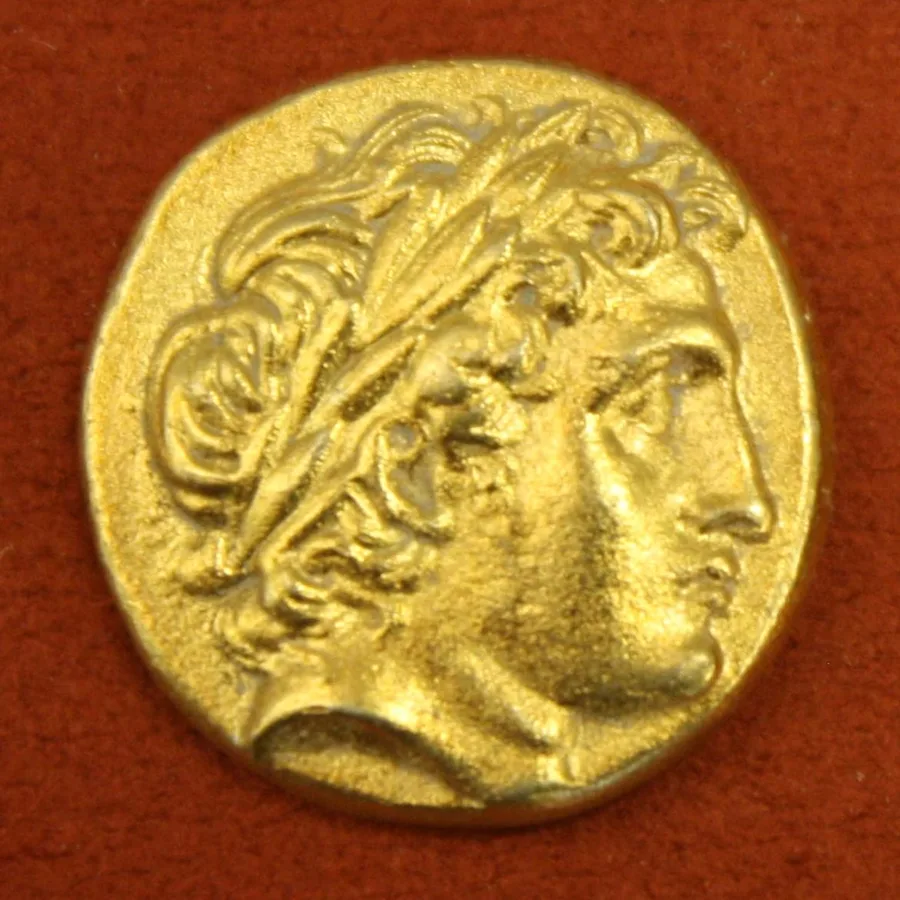
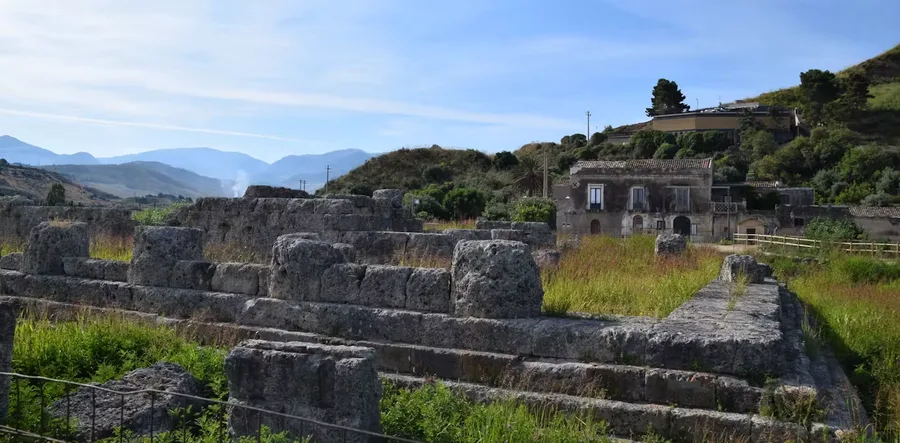
Deep inside the ruins of an ancient fort, researchers uncovered a collection of gold coins belonging to an emperor most people have never heard of.
Scientists have uncovered the oldest known hand-held wooden tools ever used by humans — and they’re an astonishing 430,000 years old. Buried for hundreds of thousands of years at an ancient lakeside site in Greece, the carefully carved wooden objects reveal that early humans were far more skilled and resourceful than once believed.

Ancient remains and objects were uncovered in a northern Britain cave. Scientists are now trying to find out who they belonged to.

A stunning find beneath a German city has exposed an Iron Age structure so unusual that experts say it could rewrite the area’s ancient past.
The Kusuma Neolithic Hall, based on Durrington 68 site, will allow visitors to ‘step back in time’ into the lives of those who built the stone circle It may have been a place for ceremony or a barn for pack animals. It could have been a place for weary labourers to rest their heads. Or perhaps there was no building at all. English Heritage has unveiled a 7-metre-high reconstruction of what a 4,50…

Summary Bowlby’s Maternal Care and Mental Health and its abridgement Child Care and the Growth of Love present two claims. The first (MCMH1) holds that children develop better mental health when they experience care from at least one familiar caregiver. The second (MCMH2) states that a child’s development and well-being depend on their mother’s constant presence and attention. Archival material s…
Paleontologists have described a gigantic new species of mosasaur -- stretching up to 13.2 m (43 feet) long and armed with serrated teeth -- and given it an unexpected name: T. rex (short for Tylosaurus rex). The post ‘T. rex’ Mosasaur Ruled the Seas 80 Million Years Ago appeared first on Sci.News: Breaking Science News .
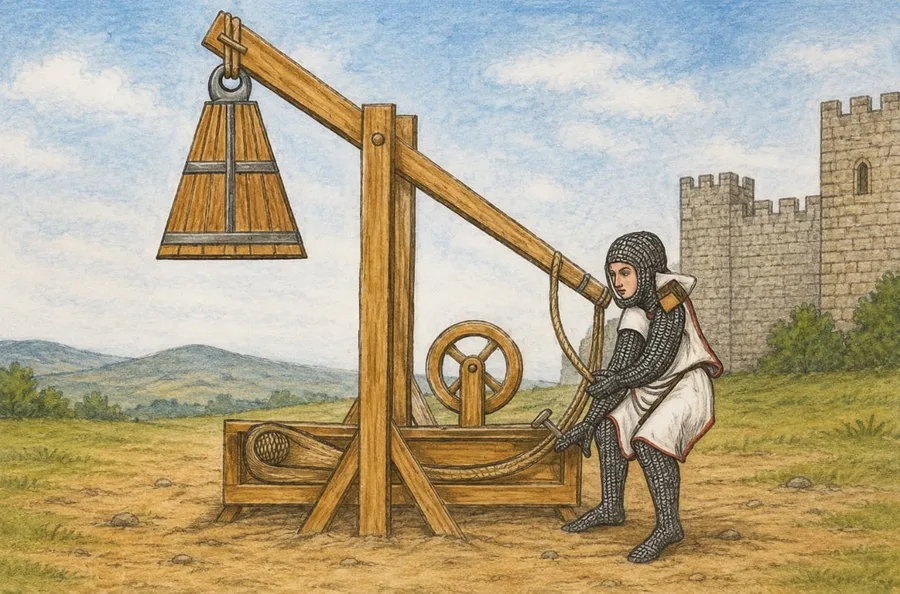
Ramses the Great: how a pharaoh built his legacy Roman siege warfare: republican strategies in Hispania and Gaul Ancient ivory trade: rethinking its scope and impact Monuments of kingship: power, memory, and belief at Jelling Constructing coral cottages: a new study of Pacific architecture Richard Hodges revisits a monastic settlement on Holy Island in County Clare
International audience
Abstract This chapter examines Paddington’s evolving relationship with authority, tracing his movement from powerless child-migrant to symbolic national figure. Drawing on childhood studies, postcolonial theory, and political sociology, it explores how Paddington negotiates institutions of power including the police, the state, the monarchy, and the NHS. Paddington’s “childness” is central to his…
Abstract This chapter examines the violent conflicts between the Latter-day Saints and their neighbors from the 1830s to the 1850s, beginning with the 1838 Mormon War in Missouri that culminated in the Hawn’s Mill massacre and the expulsion of Mormons from the state. It traces the origins of hostility to tensions over religion, race, and politics as Joseph Smith’s followers settled in Missouri, s…
Abstract Within late nineteenth- and early twentieth-century British philosophy, Hilda Oakeley became the first woman philosopher to defend realism about time. In 1911, she argues for the reality of time; from 1913 onwards, she discusses the nature of time, her metaphysics exhibiting Bergsonian features. This chapter studies the origins of Oakeley’s views. Her work is important for various reason…
Abstract Chapter 5 investigates religious dialogue. It traces continuities between pre- and post-Reformation dialogues—namely, the use of dialogue for didactic, rather than maieutic, purposes; interest in the relationship between faith and reason; the affective power of in-text models (and anti-models) whose behaviour readers can emulate or eschew; the desire to guide readers to salvation; and be…
Abstract This “Afterwords” concludes our study, sketching developments within the philosophy of time from the 1920s onwards. It includes the work of Absolute idealist May Sinclair, who considers time a battleground between British idealism and the new realism; R. G. Collingwood's presentism, and his vivid objections to a real past; J. W. Dunne's hypertime; J. M. E. McTaggart's reworked arguments …
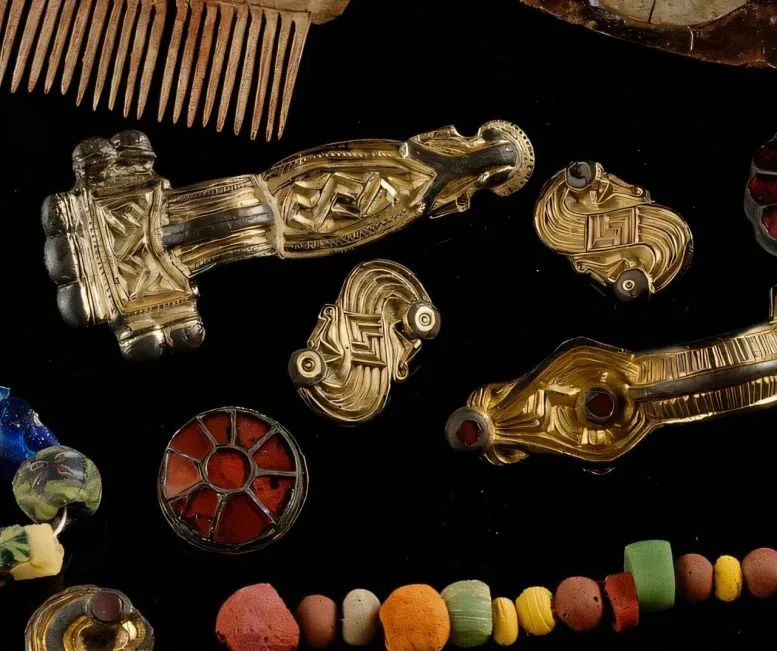
Study of ivory use in the early medieval world is revealing fresh insights into how this material was viewed. The results have important implications for our understanding of the scale of the trade, and its impact on the elephants it exploited, as Rowan S English and Julia Steding explain.
research.ioSign up to keep scrolling
Create your feed subscriptions, save articles, keep scrolling.