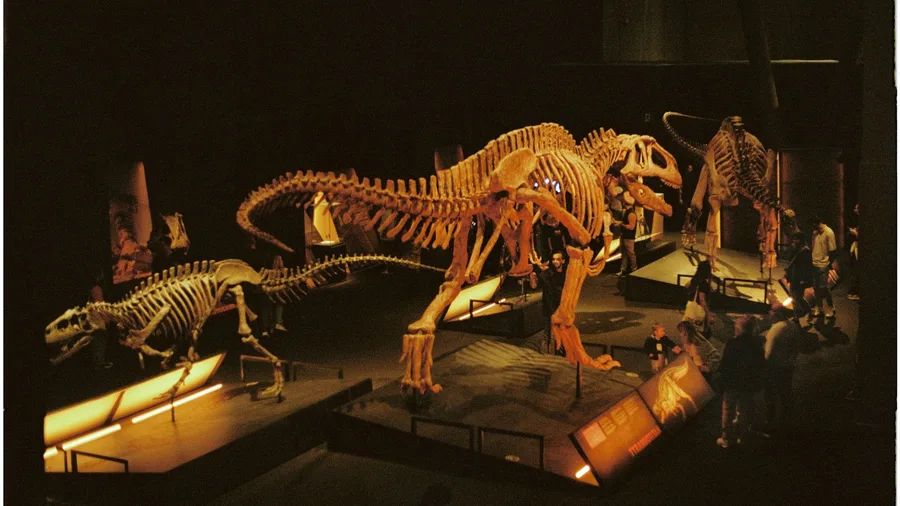
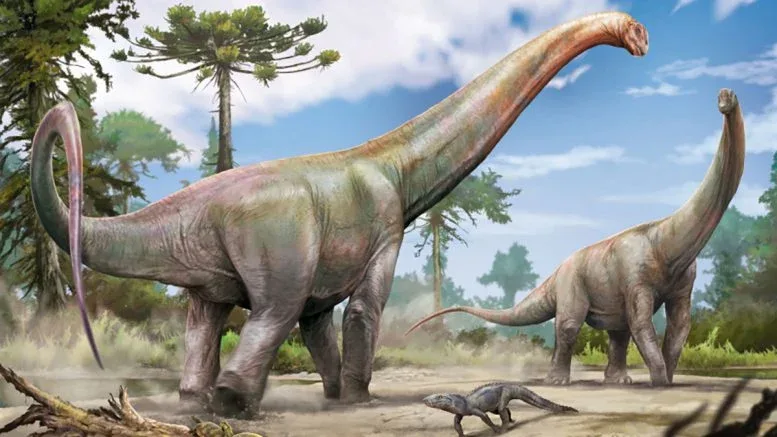
Dasosaurus tocantinensis was about 20 meters long and lived roughly 120 million years ago. Its closest known relative inhabited what is now Spain. About 120 million years ago, a 20-meter-long dinosaur roamed what is now northeastern Brazil, leaving behind fossils that would remain buried until modern construction exposed them. A new study in the Journal [...]
A misplaced fossil fragment hid a species' identity for two decades until a chance discovery revealed a previously unknown Triassic reptile hiding in plain sight.
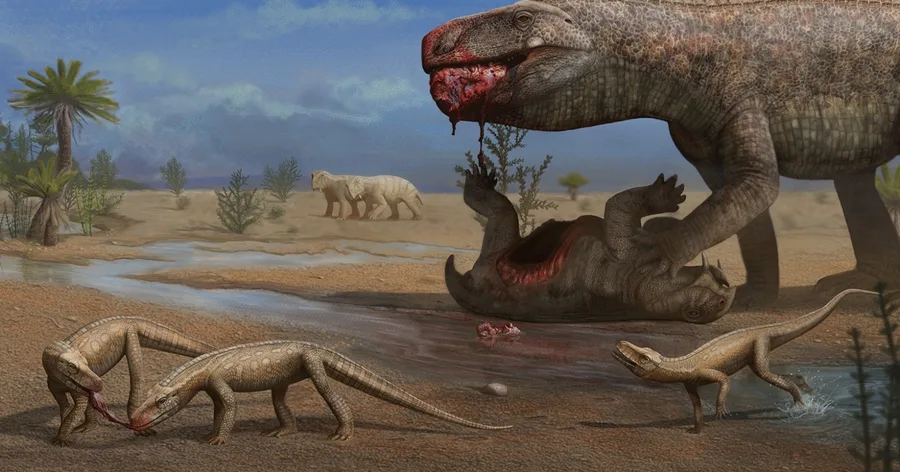
A long-forgotten crocodilian has emerged from the fossil record, revealing a prehistoric world unlike anything seen today. Researchers are uncovering how this ancient predator fit into one of Earth’s most unusual ecosystems.
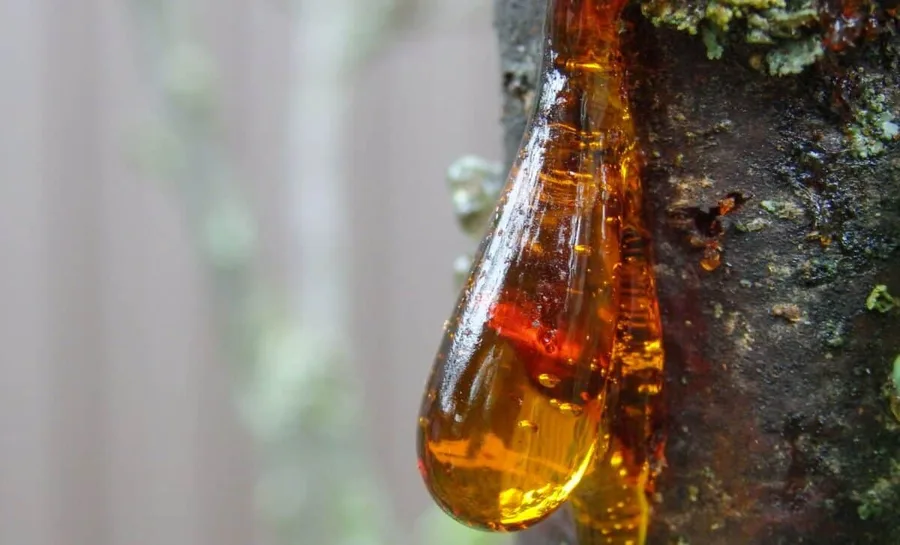
A piece of amber bought at a Myanmar market was nearly turned into jewelry until scientists discovered a 99-million-year-old feathered dinosaur tail inside.
The end-Permian extinction devastated the oceans before dinosaurs existed. Its link to the Siberian Traps depends on not just immense lava volumes, but magma heating volatile-rich rock.
A colossal cliff system created as the supercontinent Rodinia broke apart may have exposed the heart of the Grand Canyon nearly a billion years before the Colorado River carved it. The ancient landscape could also help explain why enormous sections of North America’s geological record appear to be missing.
Scientists have identified exceptionally rare soft tissue preserved in a 450-million-year-old crinoid fossil, more than 200 million years older than the first dinosaurs. Its delicate tube feet offer a remarkable new window into how some of Earth’s earliest reef animals lived, fed, and evolved.
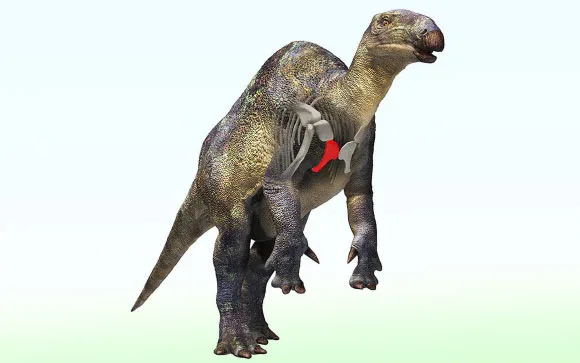
A fossilized bone unearthed two decades ago in northeastern Japan belongs to one of the smallest iguanodontian dinosaurs ever found in the country’s Cretaceous marine rocks, according to new research led by the University of Tsukuba. The post Fossil of Small Duck-Billed Dinosaur Relative Found in Japan appeared first on Sci.News: Breaking Science News .
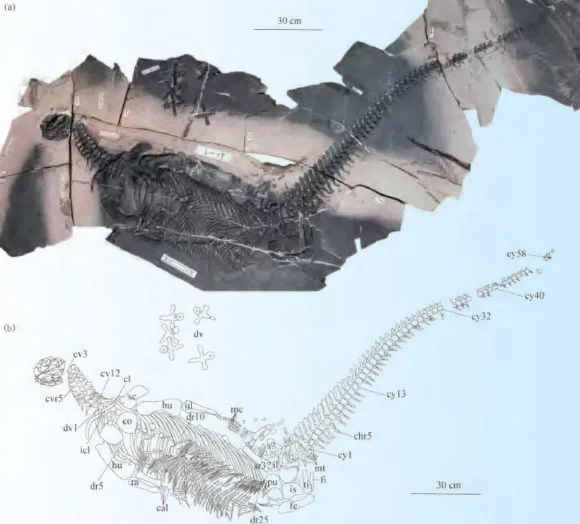
A new genus and species of sauropterygian reptile that lived during the Triassic period, some 245 million years ago, has been identified from a nearly complete skeleton found in China. The post Spoon-Toothed, Short-Headed Marine Reptile Unearthed in China appeared first on Sci.News: Breaking Science News .
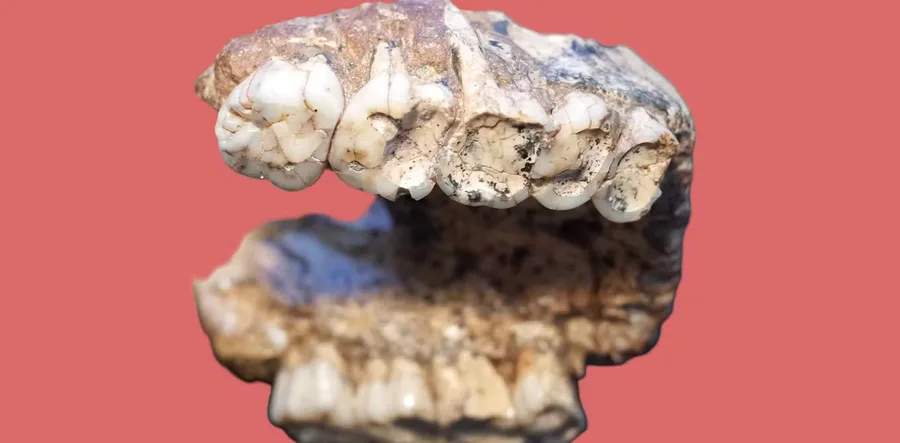
An extraordinary fossil discovery off Taiwan is bringing a forgotten human lineage back into the spotlight. After years of uncertainty, researchers now have a rare opportunity to explore what Denisovans were really like.
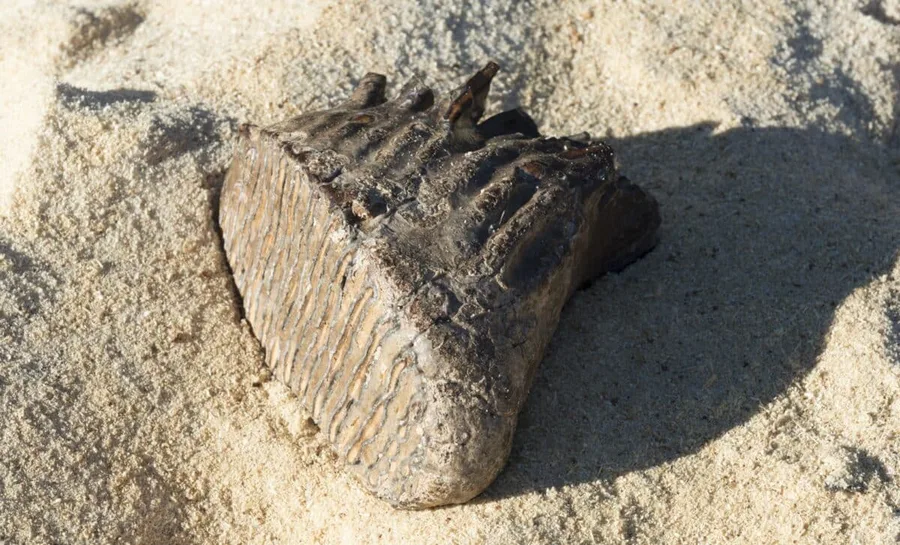
A Mammoth has been waiting hundreds of thousands of years for someone to find it. Now that a Bulgarian riverbank has finally given it up, researchers are left with more questions than answers about how it got there.
Tristen Anne Norrie Jones·...·University of Sydney
3d ago
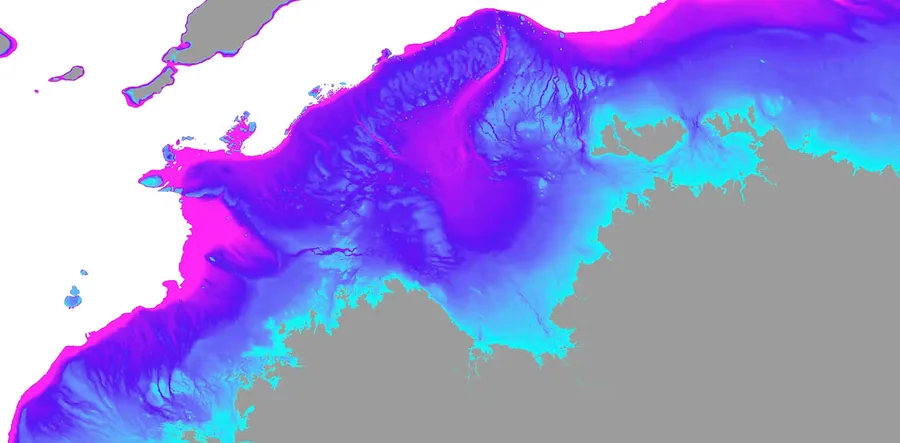
Our new study reveals a mosaic of habitable landscapes – now submerged by the ocean – once supported up to 500,000 people living in Australia’s northwest.
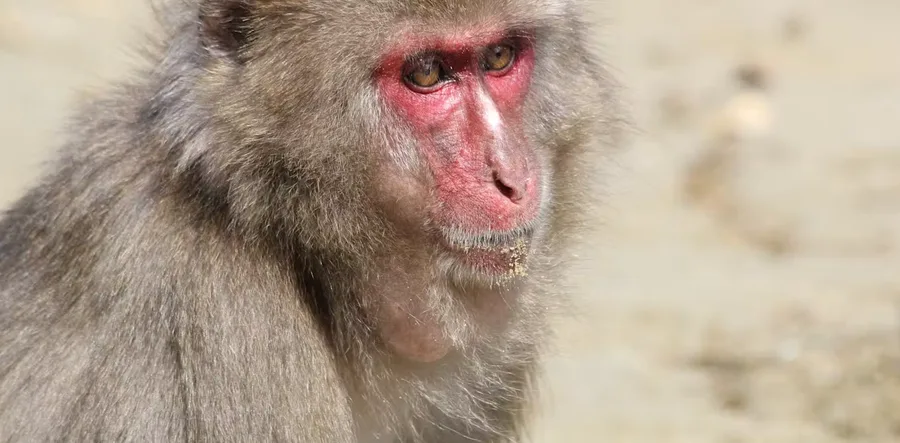
Macaque tooth wear was identical to our ancestors, throwing into question the long held belief that tool use caused the markings on hominin tooth fossils.




 research.io