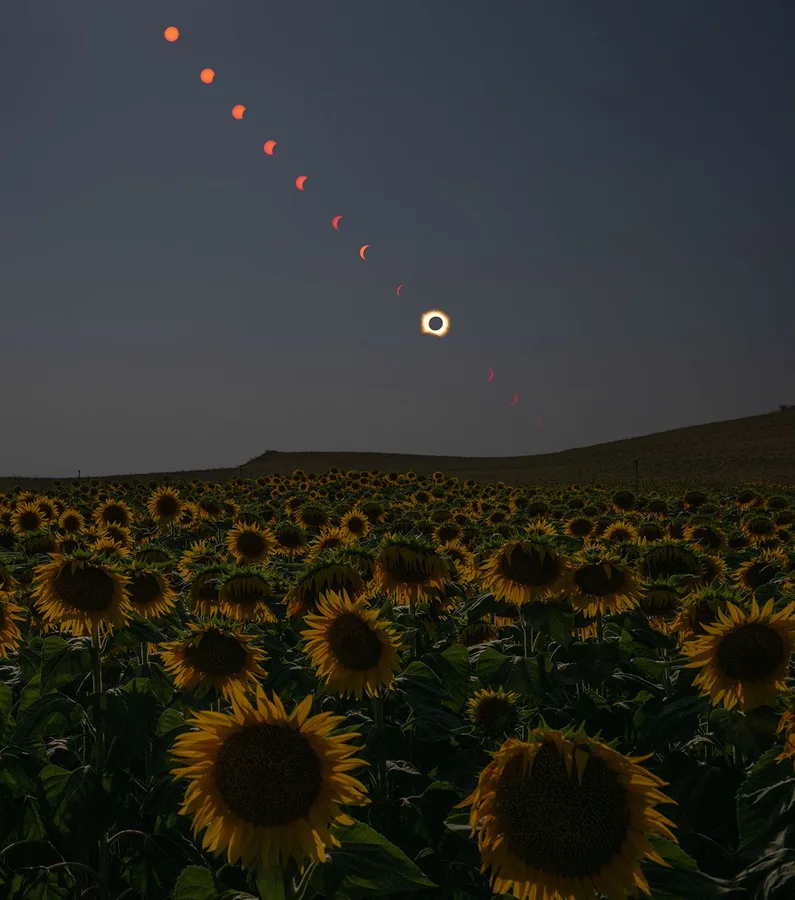
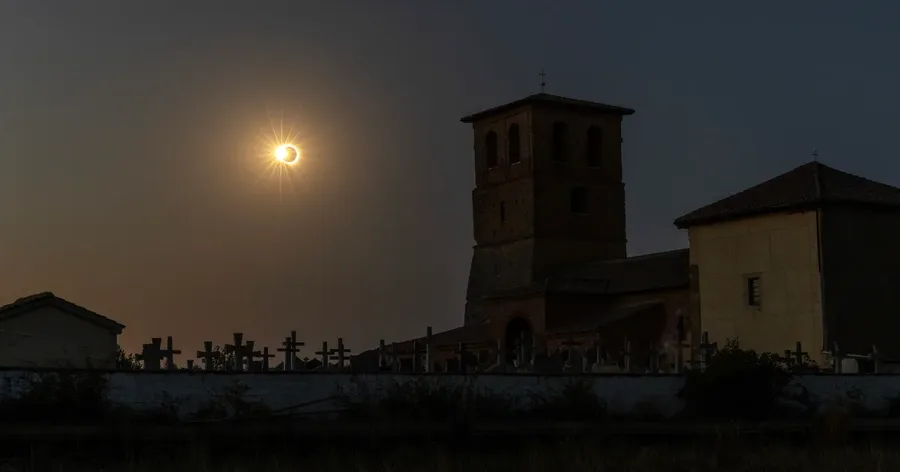
On Aug. 12, a total solar eclipse crossed Iceland and Spain — the first time totality has touched European soil since 1999, and the first time it’s crossed Iceland since 1954. Clouds spoiled the view for many in Iceland, but skies cleared for eclipse chasers in Spain. There, totality fell almost at sunset: some viewers Continue reading "Our favorite reader images of the 2026 total eclipse" The po…
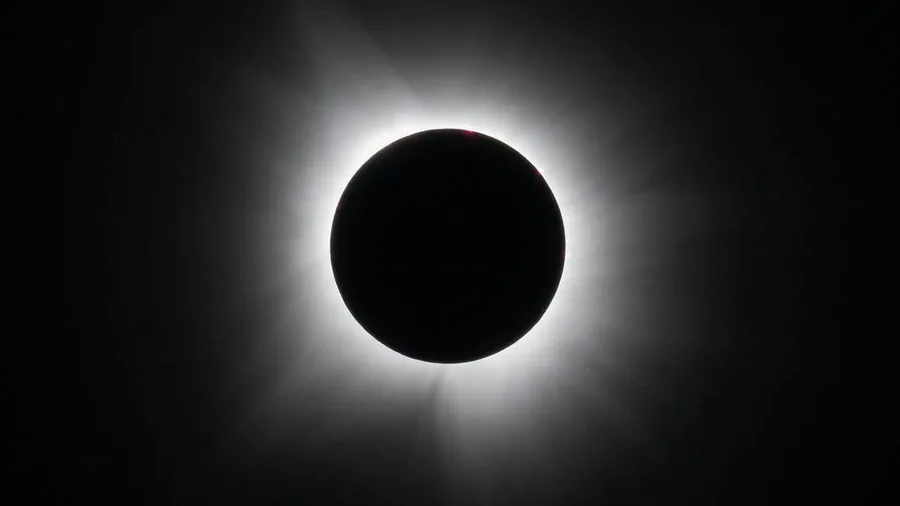
On Aug. 12, a total solar eclipse darkened skies over Greenland, Iceland, and Spain. As the Moon covered the Sun, it briefly revealed the Sun’s wispy outer atmosphere — the corona — to those in the path of totality who were lucky enough to have clear skies. NASA researchers and photographers were along the eclipse […]
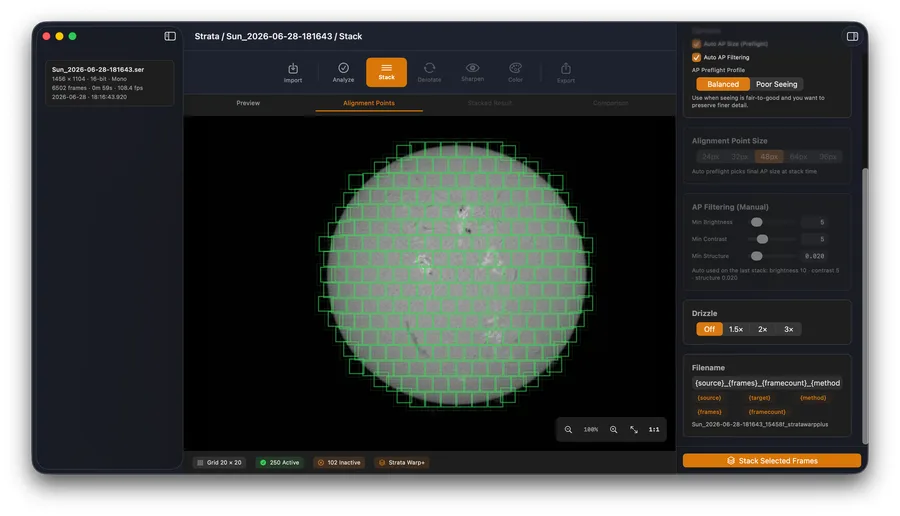
Sven ran the same 1,999 solar videos through Strata and Planetary System Stacker on the same Mac. Strata took 19.65 hours. PSS took 7.2. His logs found a GPU bug that was invisible on my own hardware.
This educational podcast package featuring heliophysicist Dr. Richard Fisher explores active solar phenomena, magnetic fields, and space weather. The post Space Weather Living History: Dr. Richard Fisher appeared first on NASA Science .
Capturing the sun’s elusive atmosphere during a total solar eclipse requires an intense blend of technical precision and personal dedication. […]
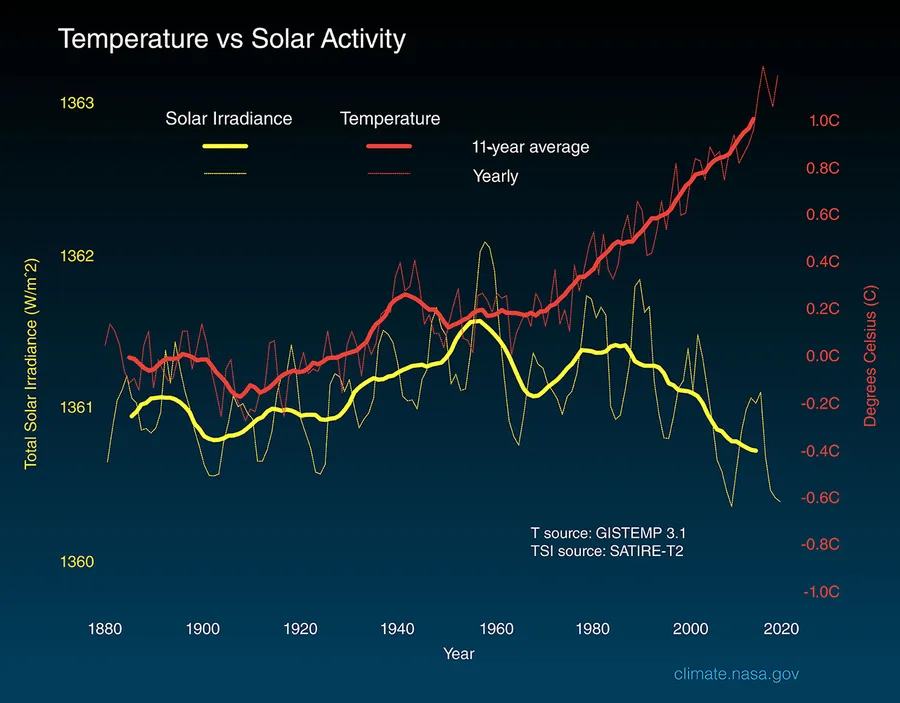
This informative NASA article explains the solar cycle's impact on Earth's climate, offering teachers a ready-to-use reading assignment for advanced science units. The post What Is the Sun’s Role in Climate Change? appeared first on NASA Science .
Nature, Published online: 20 August 2026; doi:10.1038/d41586-026-02556-8 Tests on uncrewed NASA mission showed garment could spare astronauts the worst effects of solar storms.
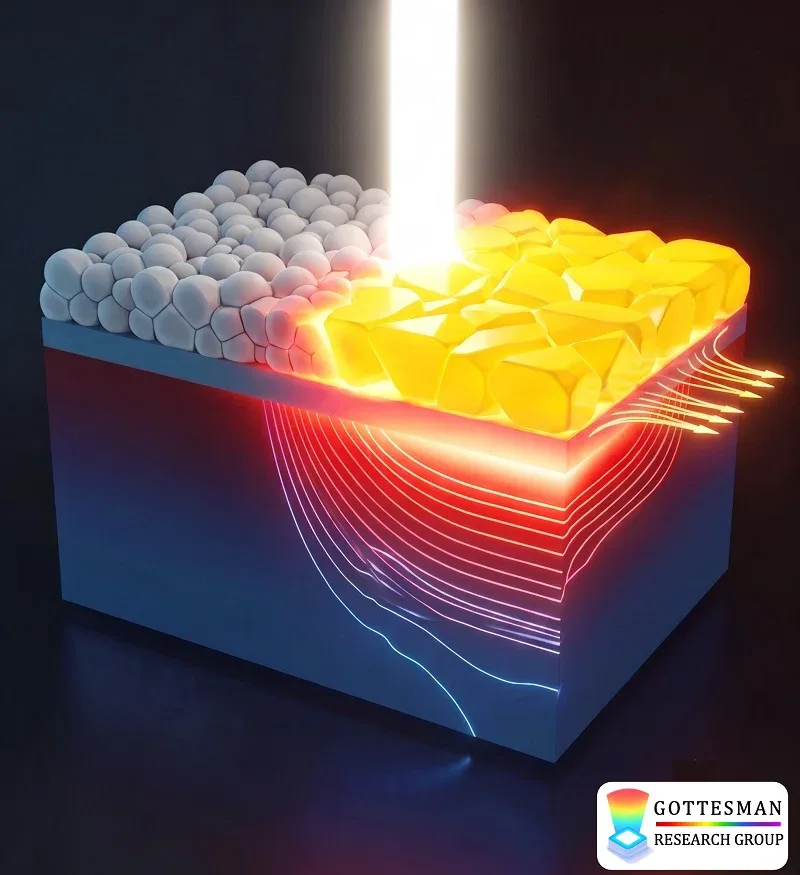
A powerful flash of light lasting less than a millisecond could offer a new way to make materials that capture solar energy much more effectively—without damaging the surface underneath. Researchers at the Hebrew University of Jerusalem have developed a technique that uses extremely short bursts of intense light to rearrange atoms inside a semiconductor material. […] The post A Millisecond Flash …
We examined the thermospheric wind and temperature response over the South American sector during the main and early recovery phases of the 10–11 May 2024 geomagnetic superstorm. Our coordinated set of Fabry-Perot Interferometer (FPI), satellite-derived, and radar observations were obtained from observatories located at El Leoncito (Argentina, 31.8°S, 69.3°W), Cachoeira Paulista (Brazil, 22.7°S, …
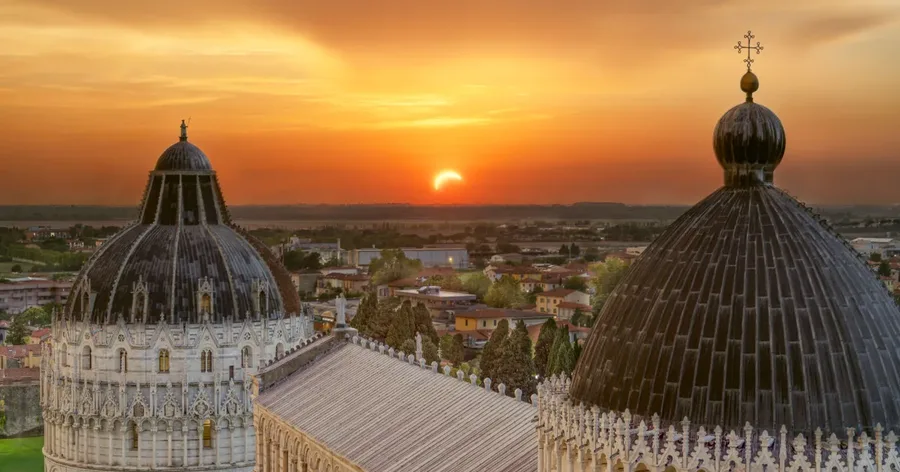
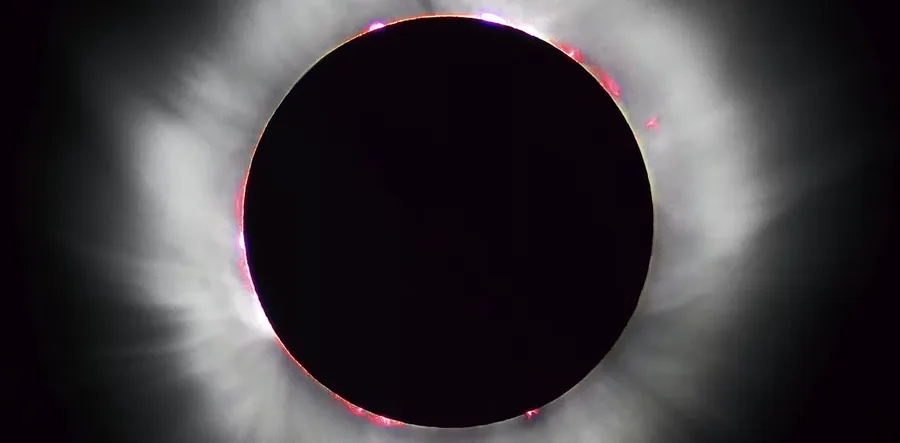
Spain’s total solar eclipse delivered an unexpected sight: a corona glowing gold instead of its usual pearly white. Because the Sun was setting, its light passed through more atmosphere, while smoke from nearby wildfires filtered out even more blue light. The result was a dramatic golden eclipse, punctuated by a bright pink solar prominence.
Hervé Cottin·...·Université Paris-Est Créteil Val de Marne (UPEC)
3d ago
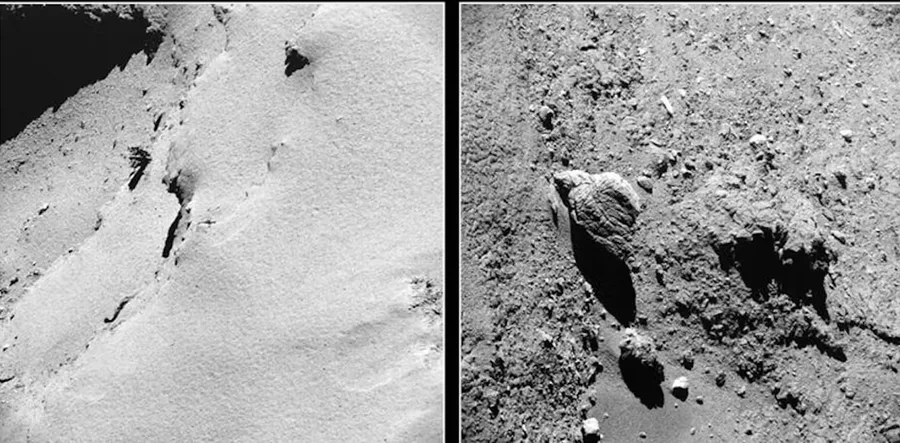
Dust can be instructive. The analysis of those collected around the comet 67P/Churyumov-Gerasimenko provided new information on the history of the solar system.
What’s the most impressive natural phenomenon known to humankind? Probably a solar eclipse! Here’s a brief overview ahead of this summer’s big celestial event.



 research.io