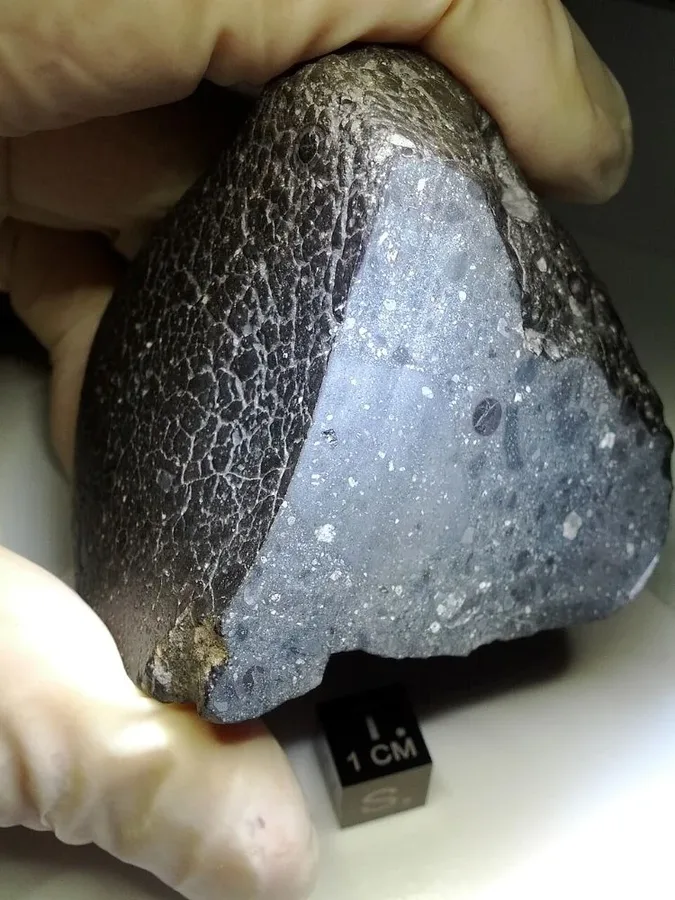
Billions of years ago, Mars was hypothesized to have been a habitable world with flowing liquid water and the potential for life. But directly studying its ancient past is currently limited to orbiters and rovers, as scientists have yet to obtain direct samples from Mars. However, meteorites have been found on Earth to have potentially originated from Mars during large impacts that flung chunks o…
Matthew Williams (https://www.universetoday.com/authors/houseofwilliams)
1d ago
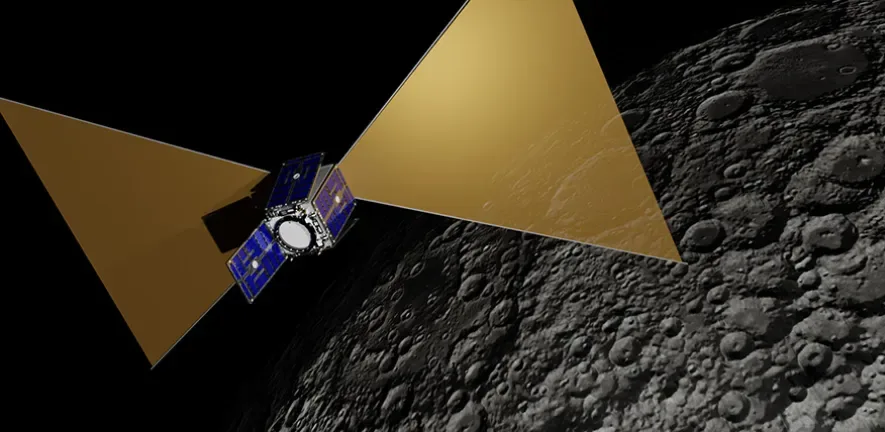
A tiny UK-developed satellite, roughly the size of a small carry-on suitcase, could help answer one of the biggest questions in cosmology: what happened in the roughly 150 million years of cosmic dark ages, before the universe’s first stars appeared?
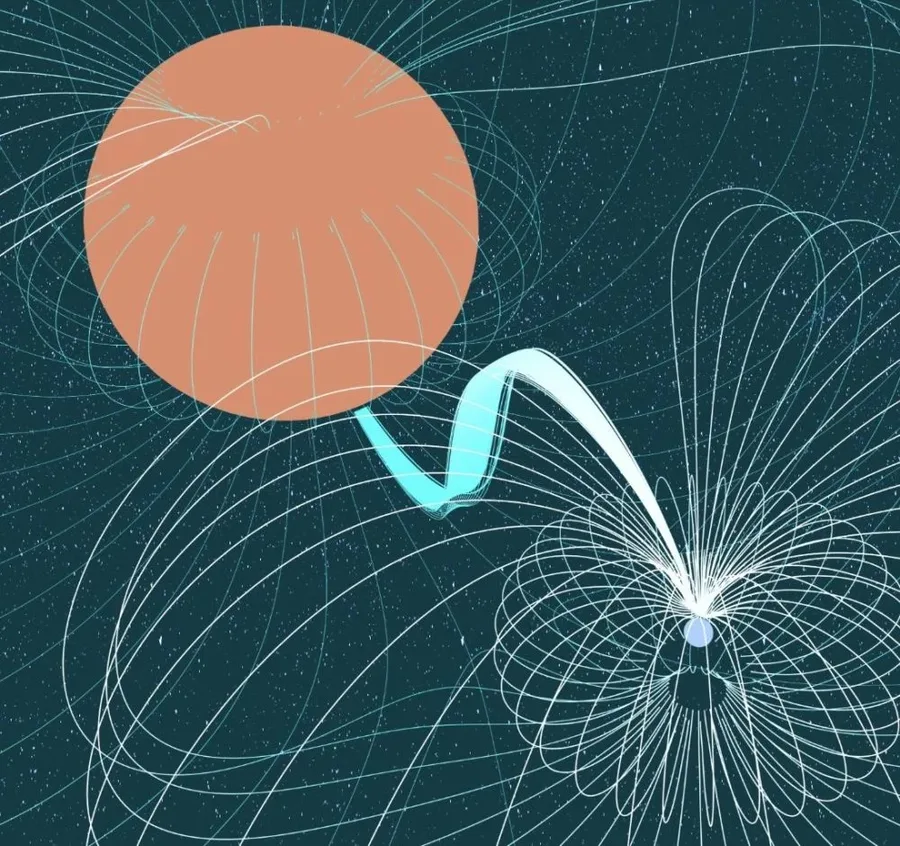
Long-period Radio Transients are sources that emit repeating radio and x-ray signals. The signals are polarized and coherent, and are similar to pulsars in some respects. But the type of astrophysical object responsible for them has been vigorously debated. New research says that at least one of them comes from a cataclysmic variable, a binary star where a white dwarf and a red dwarf orbit closel…
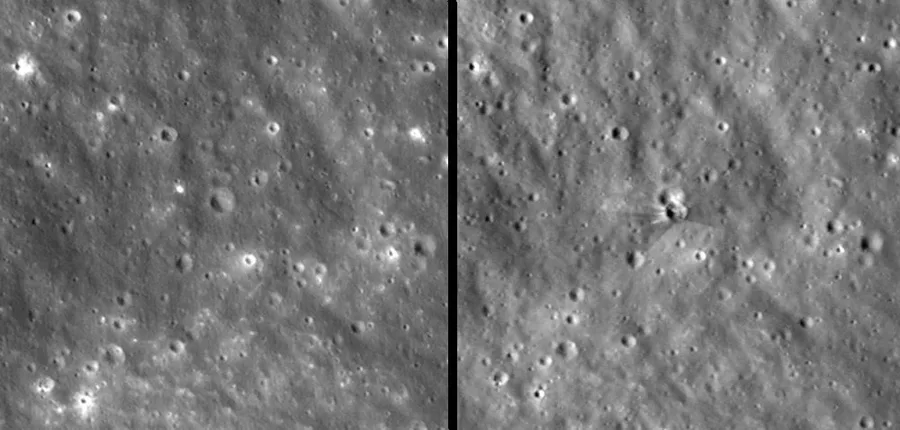
A SpaceX Falcon upper stage crashed into the Moon on August 5th. NASA's Lunar Reconnaissance Orbiter captured images of the crash site from different viewing angles and with different sunlight angles. The images showed that the crater is about 18 meters wide and about 3 meters deep. SpaceX says the crash was an accident.
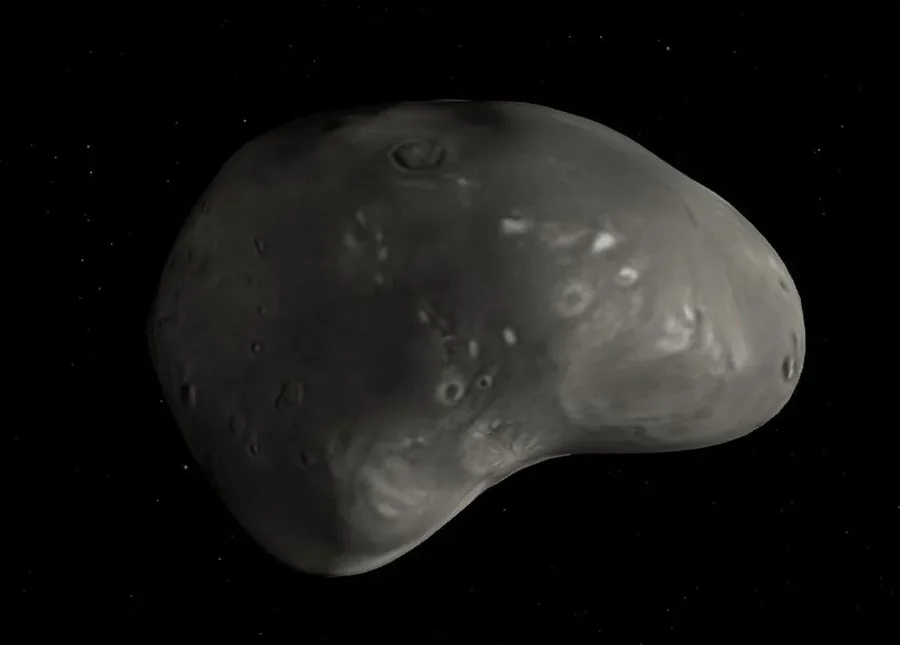
Mars' moon Deimos has a large crater on its southern pole. It's also covered by a layer of regolith so deep it buries many other, smaller craters. New research shows that an impact is responsible for both, and that the moon is rather fragile and porous, like a rubble pile asteroid.
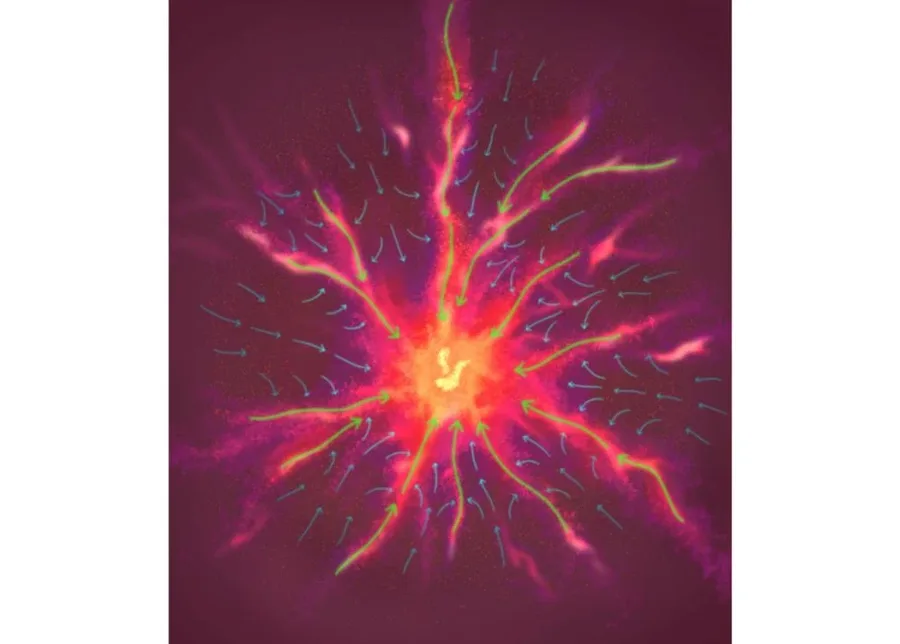
Researchers studied gas flows in the Monoceros R2 star forming region to understand how gas is channeled into star forming hubs. By tracing the flow of carbon monoxide, they found that a system of hub-filaments and interfilaments are responsible for feeding gas into star-forming locations. The filaments move most of the gas, but the interfilaments play a role too, especially by feeding more gas i…
Paul Sutter (https://www.universetoday.com/authors/pmsutter)
2d ago
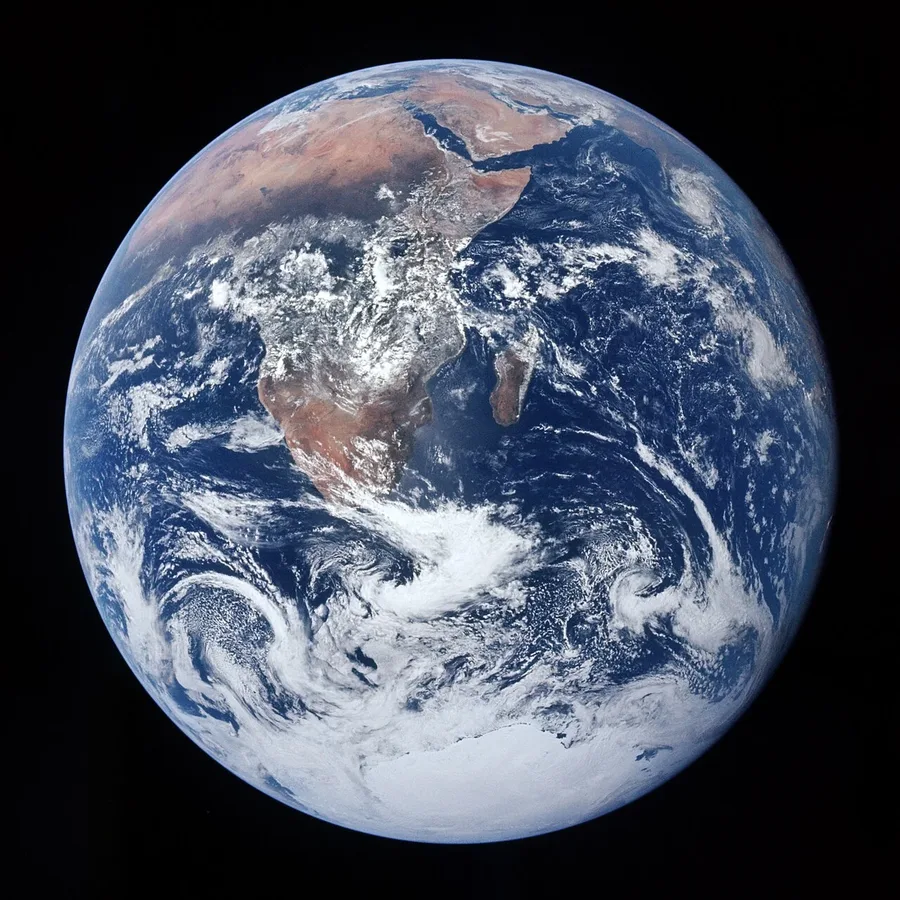
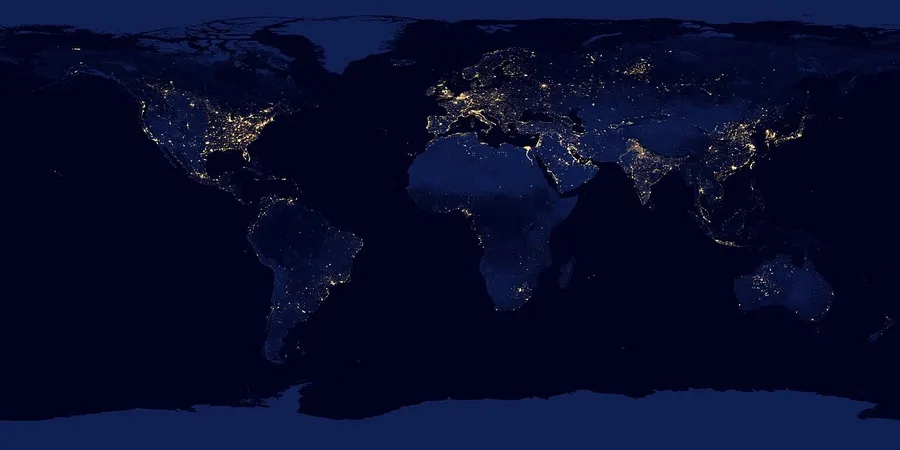
Some signs of an alien civilization are easier to spot than signs of life itself. On technosignatures, from CFCs and industrial gases to the pandemic dip in pollution, and why Earth's most detectable moment might be right now.
Matthew Williams (https://www.universetoday.com/authors/houseofwilliams)
3d ago
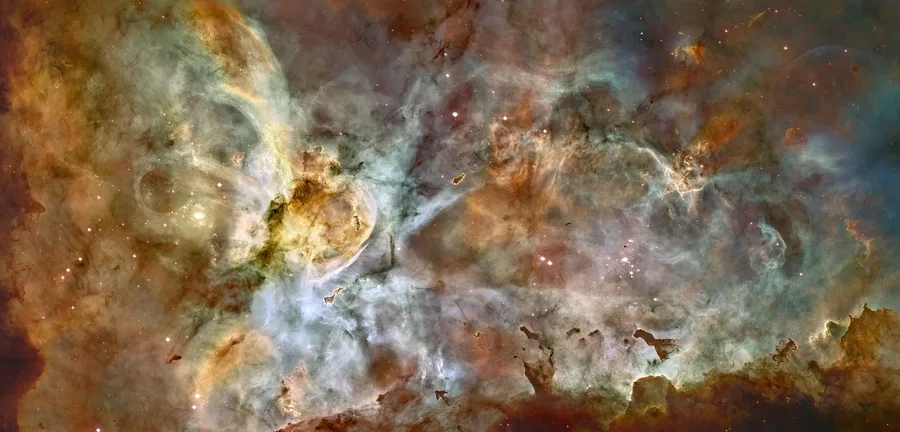
This NASA/ESA/CSA James Webb Space Telescope Picture of the Month takes us to a fantastical realm within our home galaxy, where piercing starlight and billowing winds sculpt dust clouds into inventive shapes. This scene is from the Carina Nebula, which lies just 7500 light-years away in the constellation Carina (the Keel).