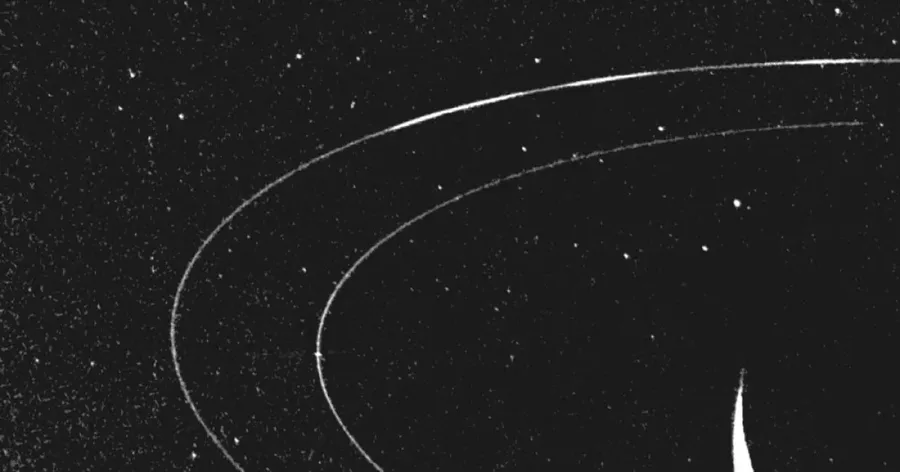
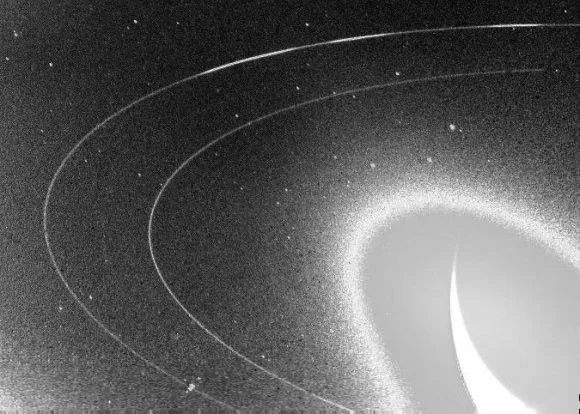
On Aug. 20, 1977, Voyager 2 launched from Cape Canaveral and began its epic journey to the outer planets – and beyond. Twelve years later, the spacecraft photographed Neptune as it approached the ice giant. Two days after that, on Aug. 22, 1989, NASA announced that Neptune had a ring system; the images had revealed Continue reading "Aug. 22, 1989: Voyager 2 reveals Neptune" The post Aug. 22, 1989…
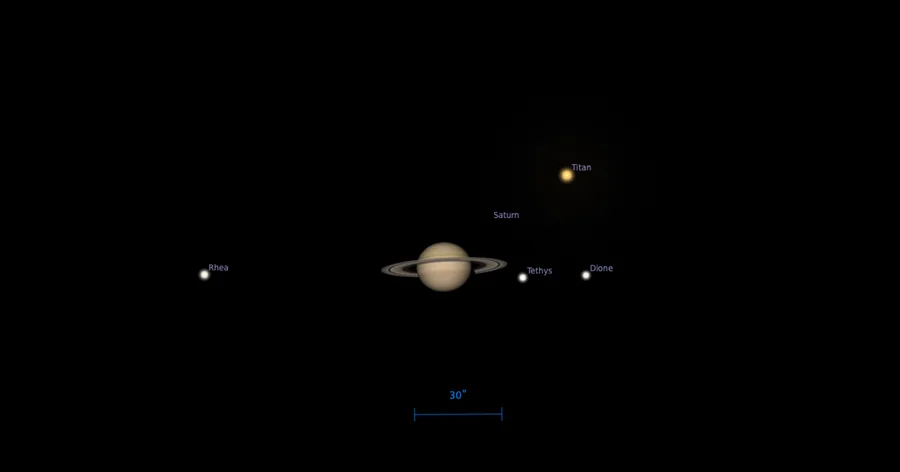
Looking for a sky event this week? Check out our full Sky This Week column. August 21: Titan nears Saturn as Dione skims past Titan, Saturn’s largest moon, was near the planet yesterday and remains close to its parent world today as it moves through its 16-day orbit. Visible in the early-morning sky, Saturn is highest in Continue reading "The Sky Today on Saturday, August 22: Titan northwest of …
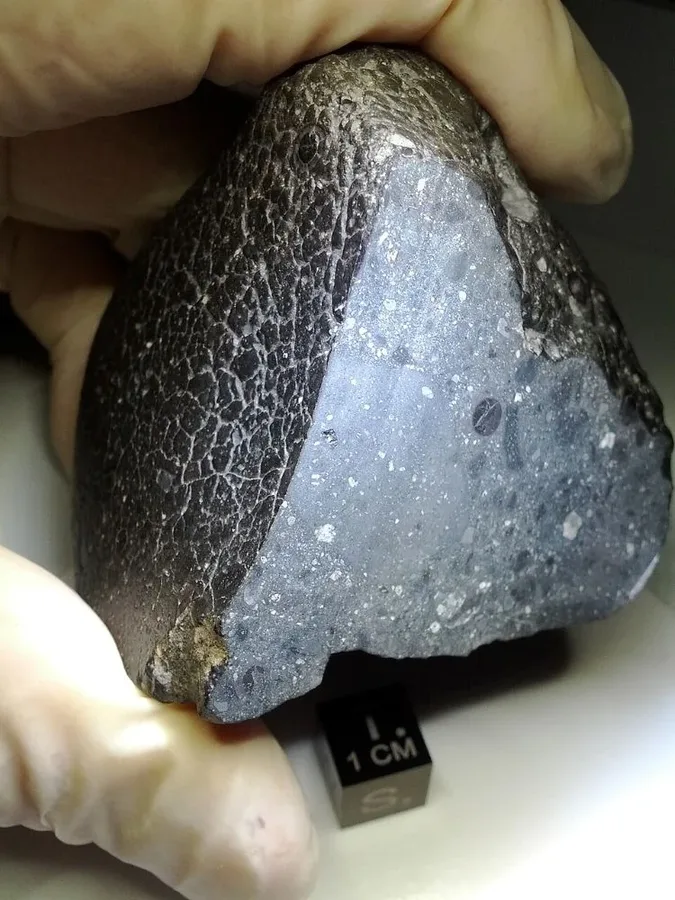
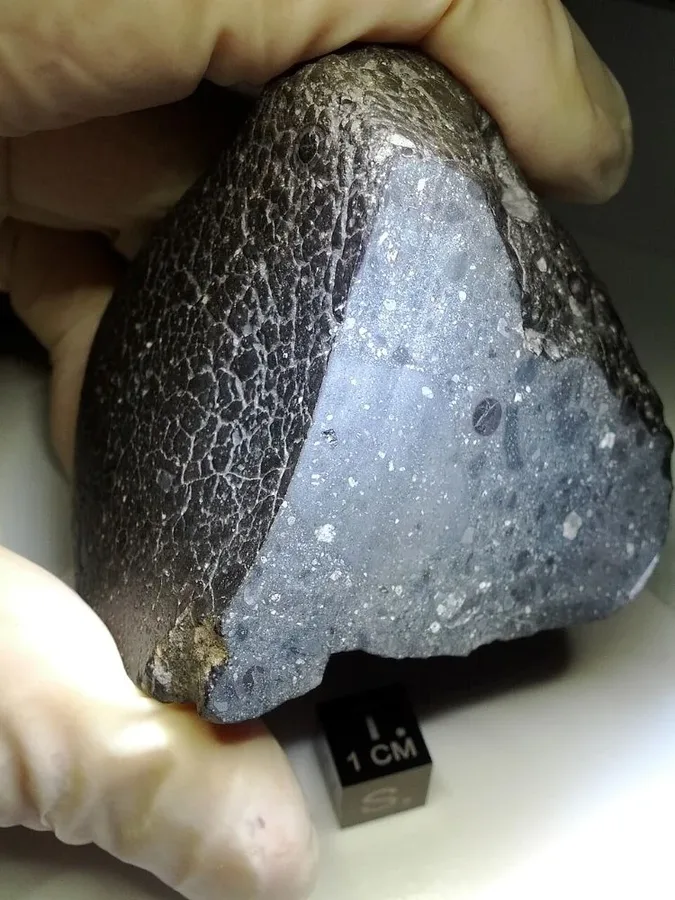
Billions of years ago, Mars was hypothesized to have been a habitable world with flowing liquid water and the potential for life. But directly studying its ancient past is currently limited to orbiters and rovers, as scientists have yet to obtain direct samples from Mars. However, meteorites have been found on Earth to have potentially […] The post Dry Martian Meteorite Reveals Early Water in Mar…
Billions of years ago, Mars was hypothesized to have been a habitable world with flowing liquid water and the potential for life. But directly studying its ancient past is currently limited to orbiters and rovers, as scientists have yet to obtain direct samples from Mars. However, meteorites have been found on Earth to have potentially originated from Mars during large impacts that flung chunks o…
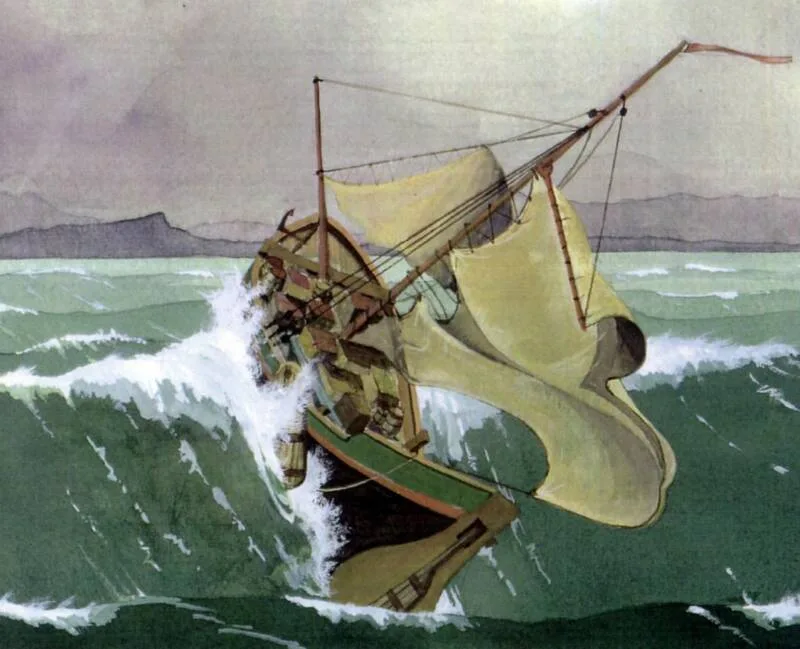
The Blessing of Burntisland sank into the Firth of Forth bay in 1633 — and it may have just been discovered only a mile from shore. The post Charles I’s Sunken Treasure Ship May Have Just Been Found Off The Coast Of Scotland After 400 Years appeared first on All That's Interesting .
Accelerate progress in our three core enterprises — Explore Worlds, Find Life, and Defend Earth. You can support the entire fund, or designate a core enterprise of your choice.
Rocky planets may have gotten their start far earlier than anyone expected, almost as soon as the first stars gave the universe the ingredients to build them. New computer simulations suggest that planetesimals, the solid precursors of planets like Earth, could have formed only about 100 million years after the Big Bang. At that point, [...]
[astro-ph.EP] The demographics of terrestrial planets and their orbits reveal a vast diversity in overall planetary energy budgets. Terrestrial exoplanets in short-period or eccentric orbits can experience intense tidal heating […] The post The Tidal Venus Phenomenon: Demographics and Case Studies appeared first on Astrobiology .
NASA Artemis III Chief Training Officer Debbie O’Connell discusses how the crew is preparing for one of NASA’s most challenging missions yet. Episode 434 The post Artemis III Training appeared first on NASA Science .
Hidden in the faint light coming from Neptune’s moons, scientists have found unexpected signs of a much older story. The discovery may explain why the planet’s satellite system looks so different from all the others.
NASA's Voyager 2 confirmed the discovery of Neptune's rings on August 22, 1989, when it took images of a faint, continuous ring system around the planet. The post Voyager 2 confirms Neptune’s rings on August 22 in 1989 first appeared on EarthSky .
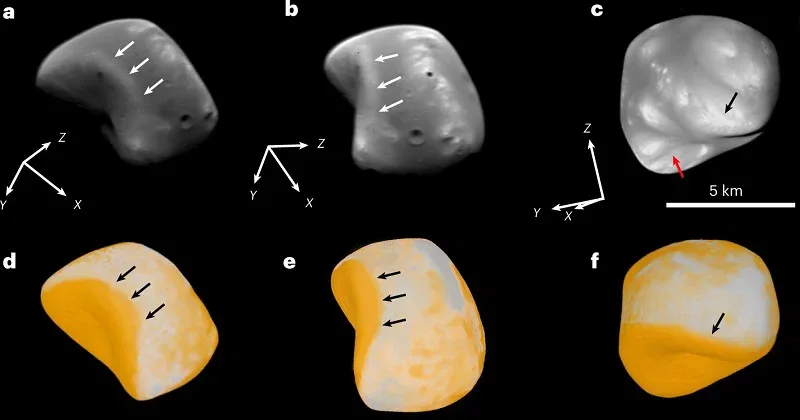
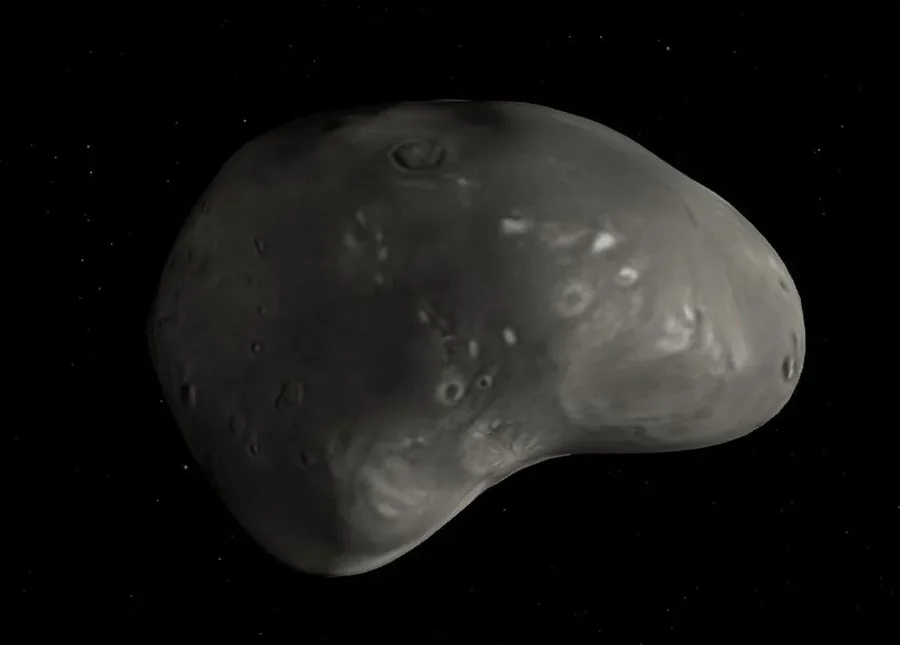
A single asteroid impact may have dramatically reshaped Deimos, the smaller of Mars’ two moons, creating both a huge depression near its south pole and the dusty surface that covers the moon today. An international team of researchers reached this conclusion after running about 100 detailed computer simulations and comparing the results with observations from […] The post One Giant Asteroid Impac…
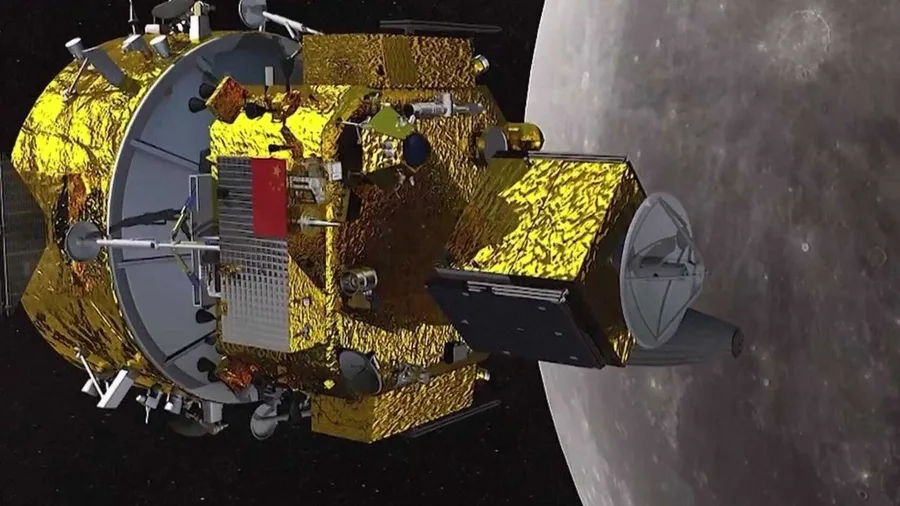
China aims to launch its Chang'e 7 moon mission on Aug. 24 to send a lander, a rover, a hopper and a wide range of science experiments to the lunar south pole.
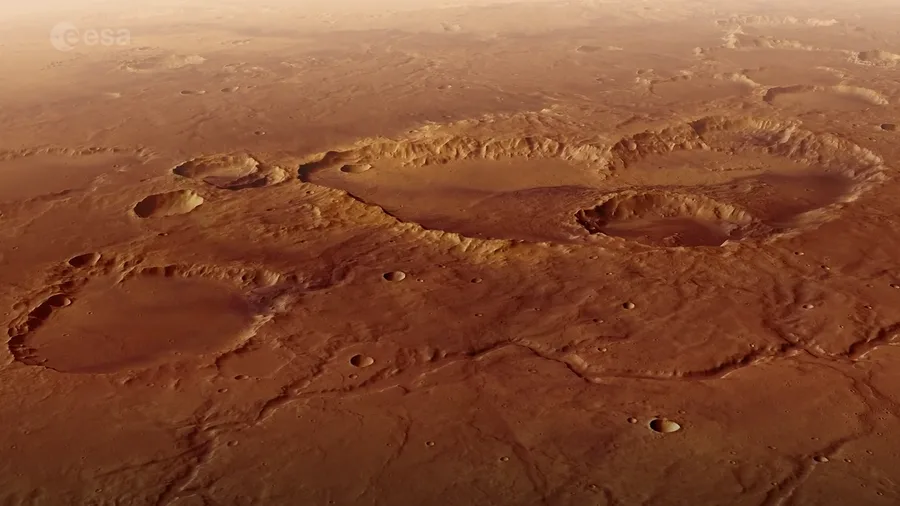
Europe's Mars Express orbiter has captured stunning telemetry to create a new flyover visualization of the Red Planet's Southern Highlands and Schiaparelli Crater in magnificent detail.
Mars' moon Deimos has a large crater on its southern pole. It's also covered by a layer of regolith so deep it buries many other, smaller craters. New research shows that an impact is responsible for both, and that the moon is rather fragile and porous, like a rubble pile asteroid.
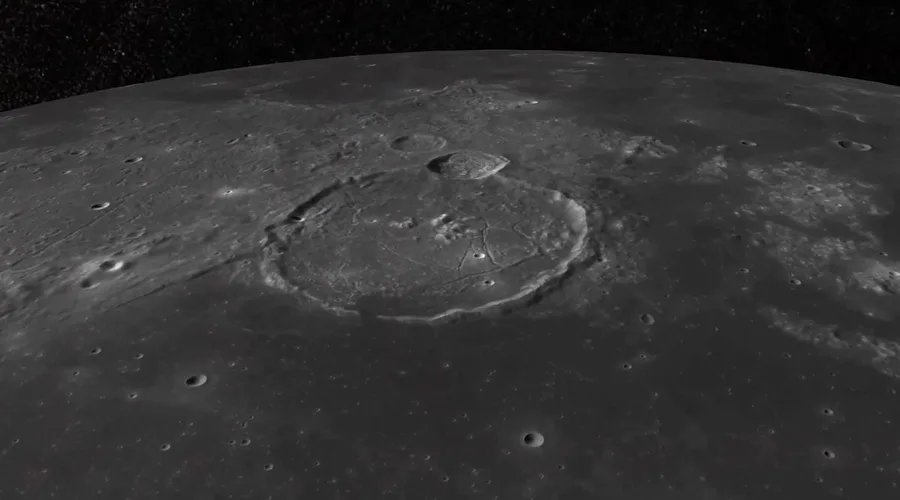
These visualizations were created in the Moon Trek portal using data from NASA’s Lunar Reconnaissance Orbiter. Explore the Moon and other worlds for yourself, virtually, with NASA’s Solar System Treks. Quick jump to all videos: Apollo 11 ↑ back to top Apollo 16 ↑ back to top Apollo 17 ↑ back to top Altai Scarp ↑ back to top […] The post Flyover Tours of the Moon appeared first on NASA Science .
Nature Astronomy, Published online: 20 August 2026; doi:10.1038/s41550-026-02955-x Modelling shows that large collisions with the icy moons of the giant planets do not affect drastically the occurrence of subsurface oceans inside reassembled icy moons throughout their history. They solely affect ocean thickness or longevity.
[astro-ph.EP] Aims. We investigated the properties of the water snow line during the early stages of disk evolution, paying particular attention to the effects of gravitational instability and dust growth […] The post Hydrodynamics Modeling Of The Water Snow Line In Young Protoplanetary Disks With Dust-size-dependent Opacities appeared first on Astrobiology .


 research.io