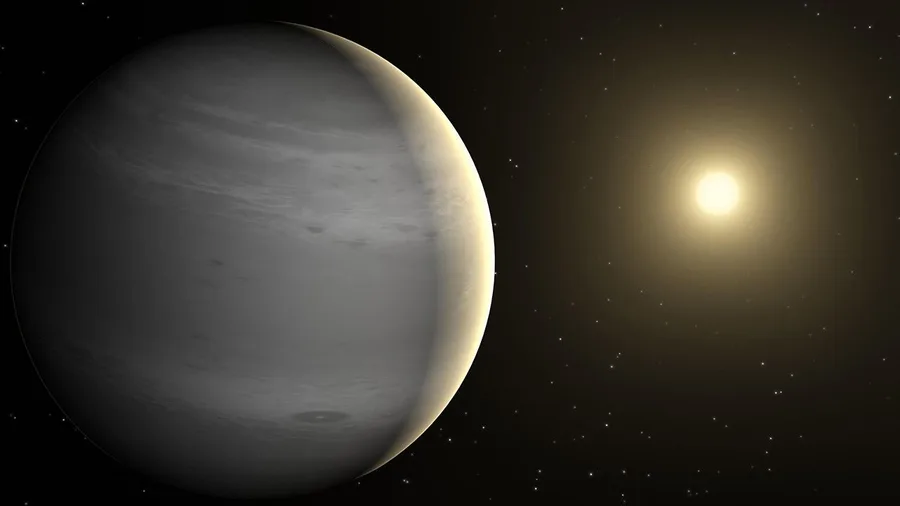
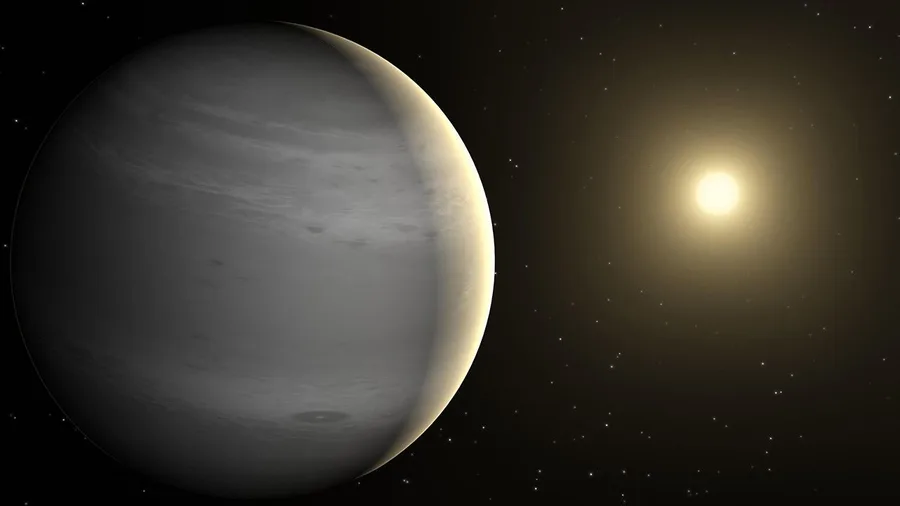
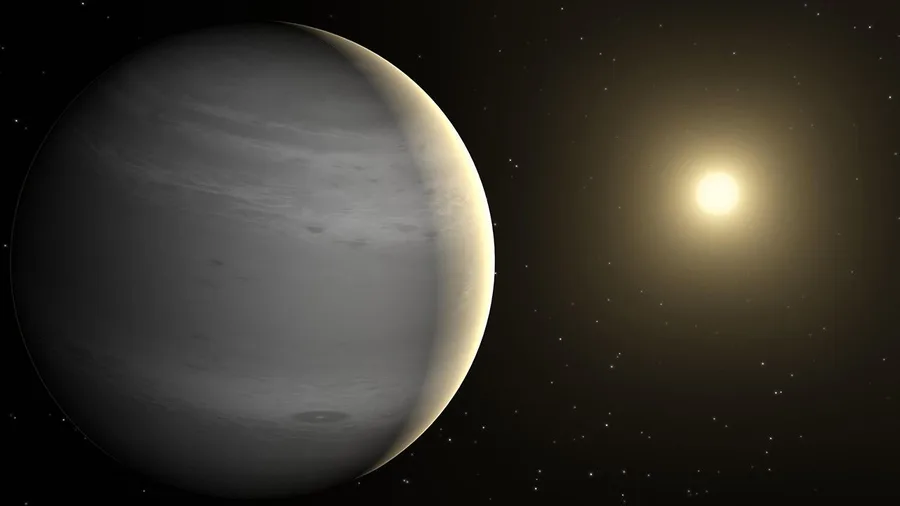
KMT-2025-BLG-2272L b is a gas giant exoplanet that orbits a Unknown-type star. Its mass is 2.47 Jupiters, it takes 9.7 years to complete one orbit of its star, and is 3.89 AU from its star. Its discovery was announced in 2026. The post KMT-2025-BLG-2272L b appeared first on NASA Science .
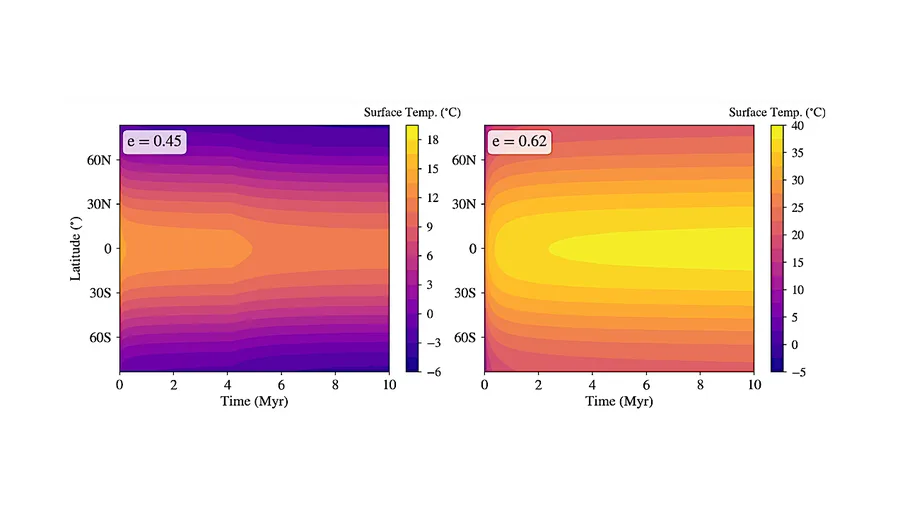
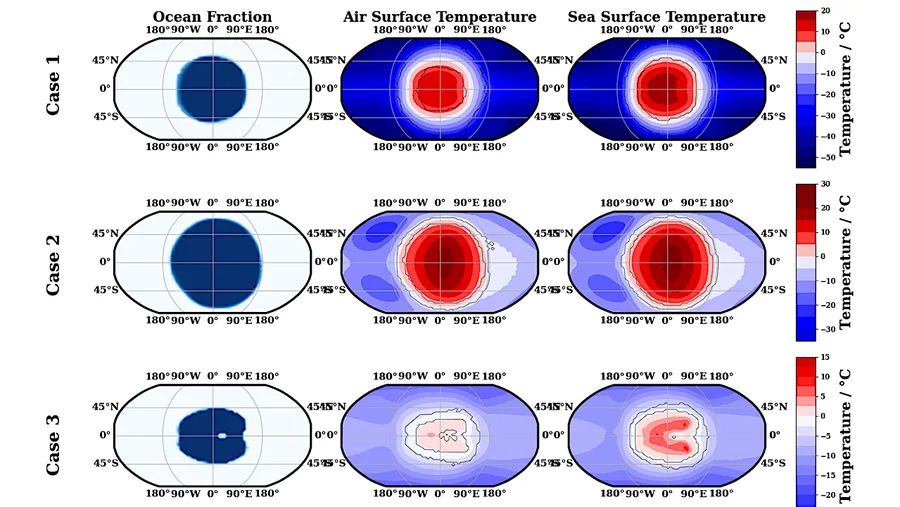
[Planetary Science Journal] The continuous discovery of exoplanets, each with distinctive stellar and planetary properties, along with the development of higher resolution ground and space telescopes has positioned climate evolution […] The post Climates Of Gl 514 b appeared first on Astrobiology .
Andy Tomaswick (https://www.universetoday.com/authors/andy-tomaswick)
2d ago
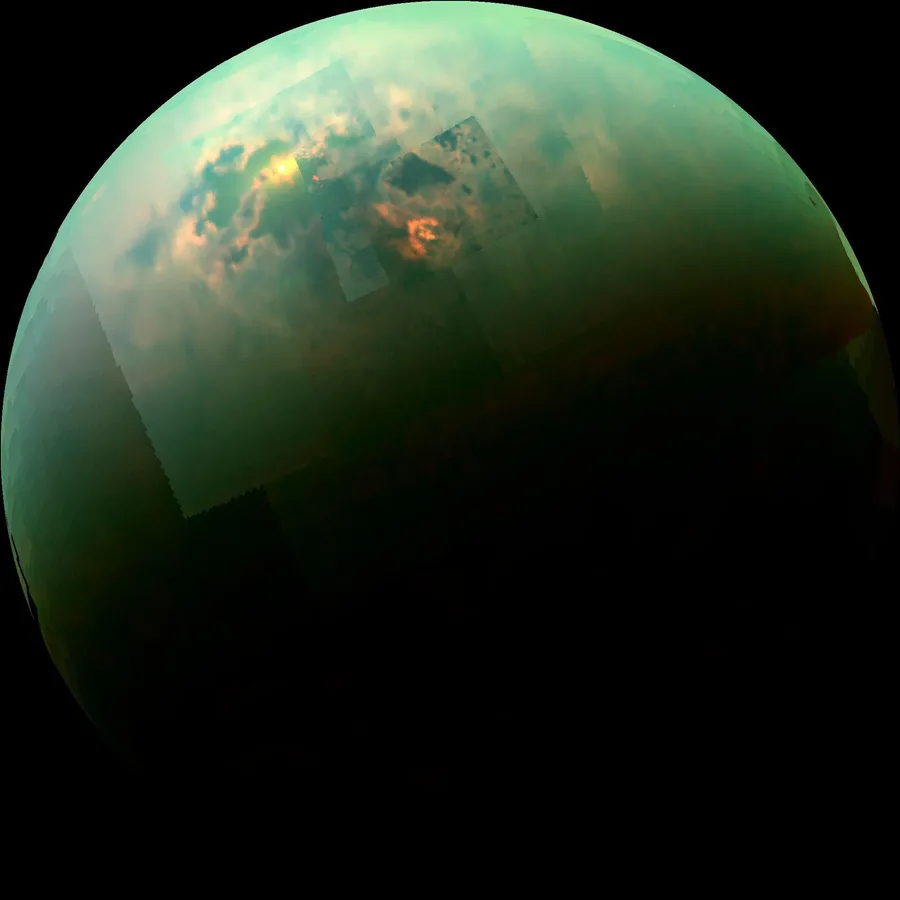
We’ve found over 5,500 exoplanets so far. Dozens of them have been in the habitable zone of their parent stars, where, at least in theory, they could host an ocean. But we’ve never definitively found a liquid ocean on another planet. A new paper from researchers Eleanor Cornish and Tyler Robinson of the University of Arizona, available in pre-print on arXiv and submitted to the Astrophysical Jour…
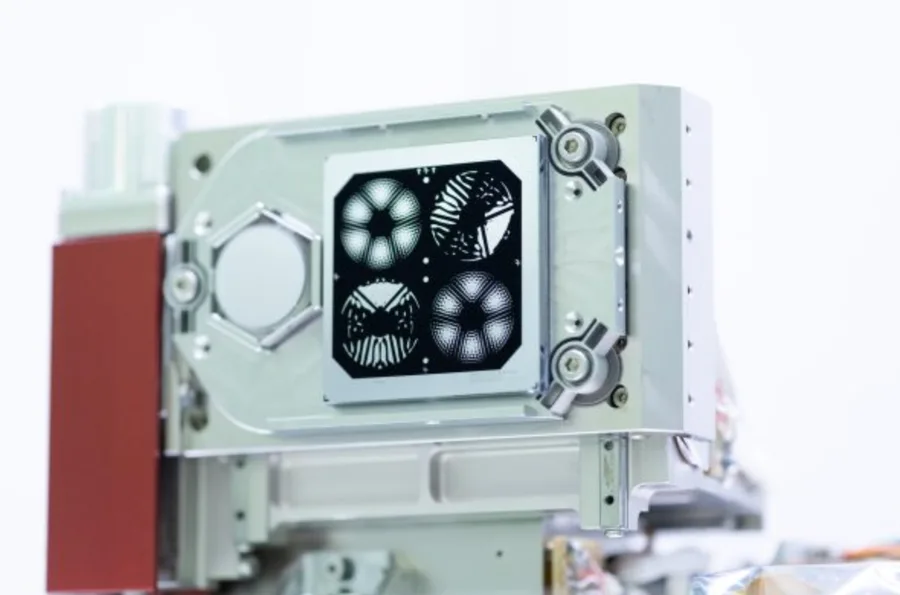
Exoplanet Technologies at Ames The Exoplanet Technology group in the Astrophysics Division at NASA Ames is dedicated to advancing direct imaging technologies, including the ultimate goal of imaging Earth-like exoplanets and searching them for signs of life. Exoplanet Technologies Group TeaM Rus Belekov Senior Optical Scientist Dan Sirbu AstroPIC Principal Investigator Kevin Fogarty Research Scien…
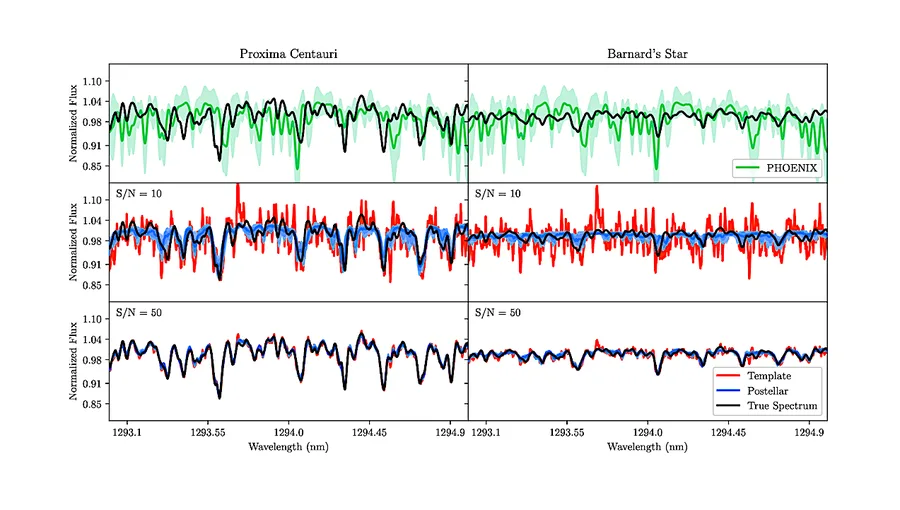
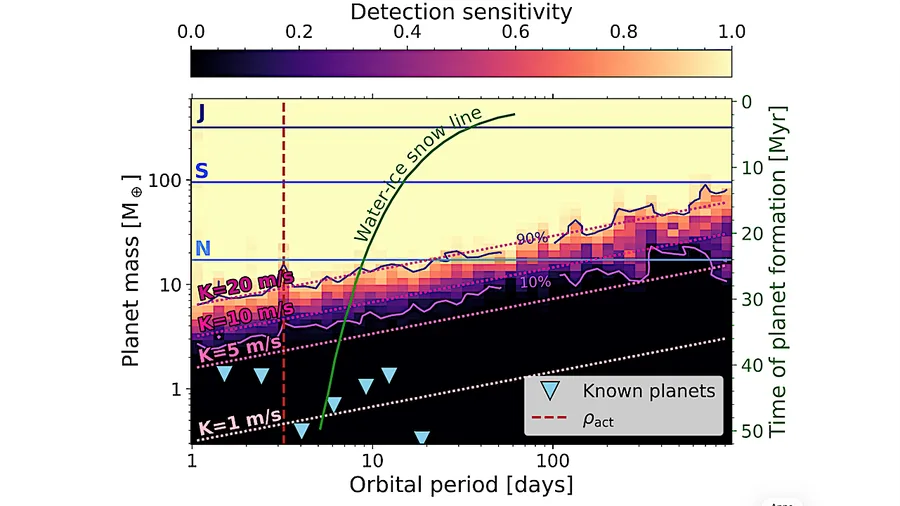
[astro-ph.EP]. The TRAPPIST-1 system is well-known for its seven transiting Earth-sized exoplanets. It has been extensively studied and characterized, notably with transit timing variations (TTVs) to precisely measure the mass […] The post Radial Velocity Detection Of The TRAPPIST-1 Planetary System With SPIRou And NIRPS appeared first on Astrobiology .
This article is based on reporting from Space.com about NASA’s Roman Space Telescope, its advanced coronagraph technology and its role in future exoplanet direct imaging research.
Andy Tomaswick (https://www.universetoday.com/authors/andy-tomaswick)
2d ago
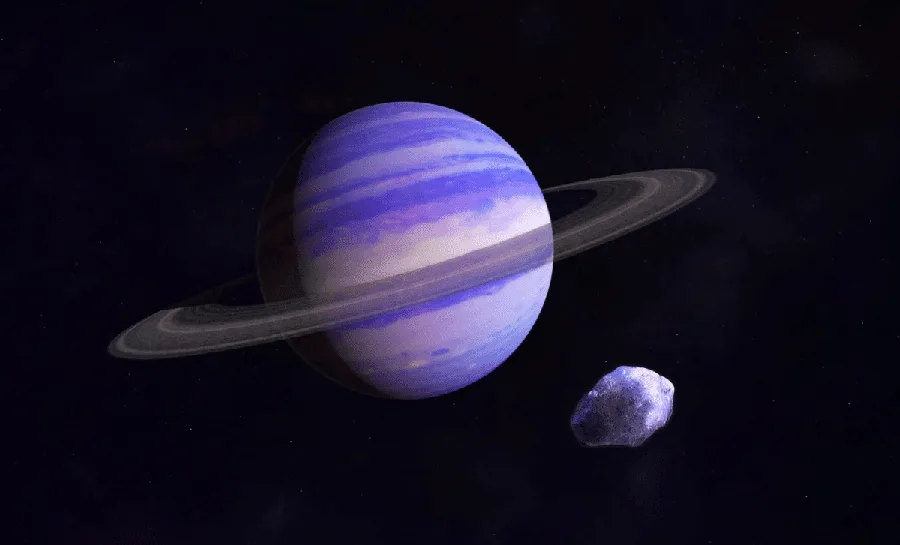
The James Webb Space Telescope (JWST) has opened up many wonders of the cosmos to scientists since it began its science operations a few years ago. But one thing that it hasn’t done is find an “exomoon”. These, as yet still theoretical, moons orbit exoplanets in other star systems, and JWST was supposed to find a plethora of them. However, so far it has found precisely none. It seems the cause is…
[astro-ph.EP] Water worlds with potential deep oceans are at the forefront of currently observable exoplanetary habitability. The standard requirements for habitability are the presence of an energy source, a source […] The post Sea Ice As An Origin Of Life Location For Hycean And Ocean Worlds appeared first on Astrobiology .
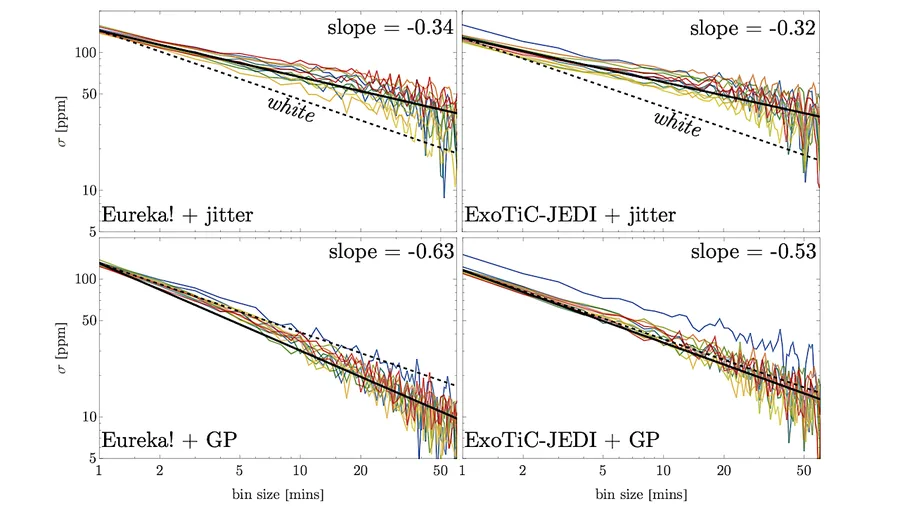
[astro-ph.EP] To date, even with JWST, it has not been possible to test for exomoons as small as the Moon. Only two reported searches for exomoons around bound planets have […] The post JWST Excludes Exomoons Down to 0.1 Earth Radii Around a Rocky, Temperate Exoplanet appeared first on Astrobiology .
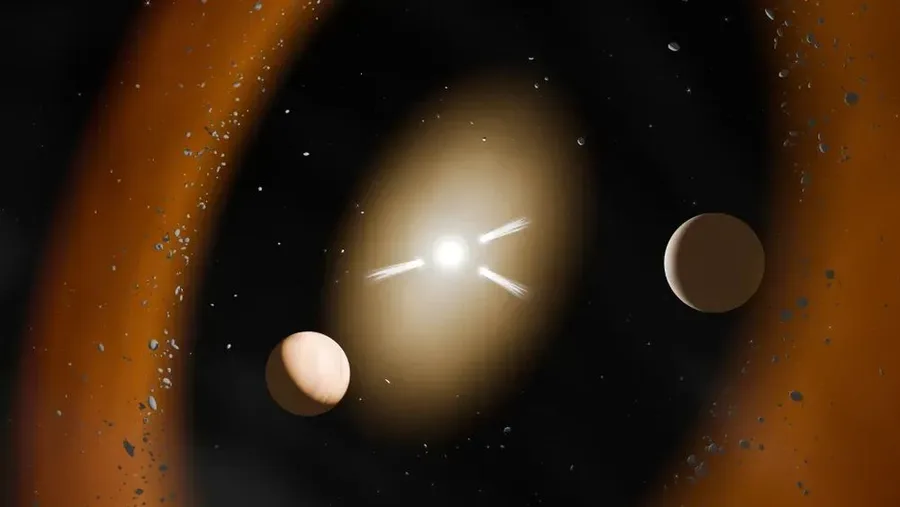
Did icy comets deliver water to the young Earth? That idea won't go away. Now, astronomers at Lund University in Sweden have found evidence of exocomets orbiting a young star named PDS 70. The observations suggest that these comets are delivering water to that system's inner regions.



 research.io